Architect & Color Alchemist
Paintings
Noel’s Story of Purpose and Art
A R T W O R K C A T A L O G U E
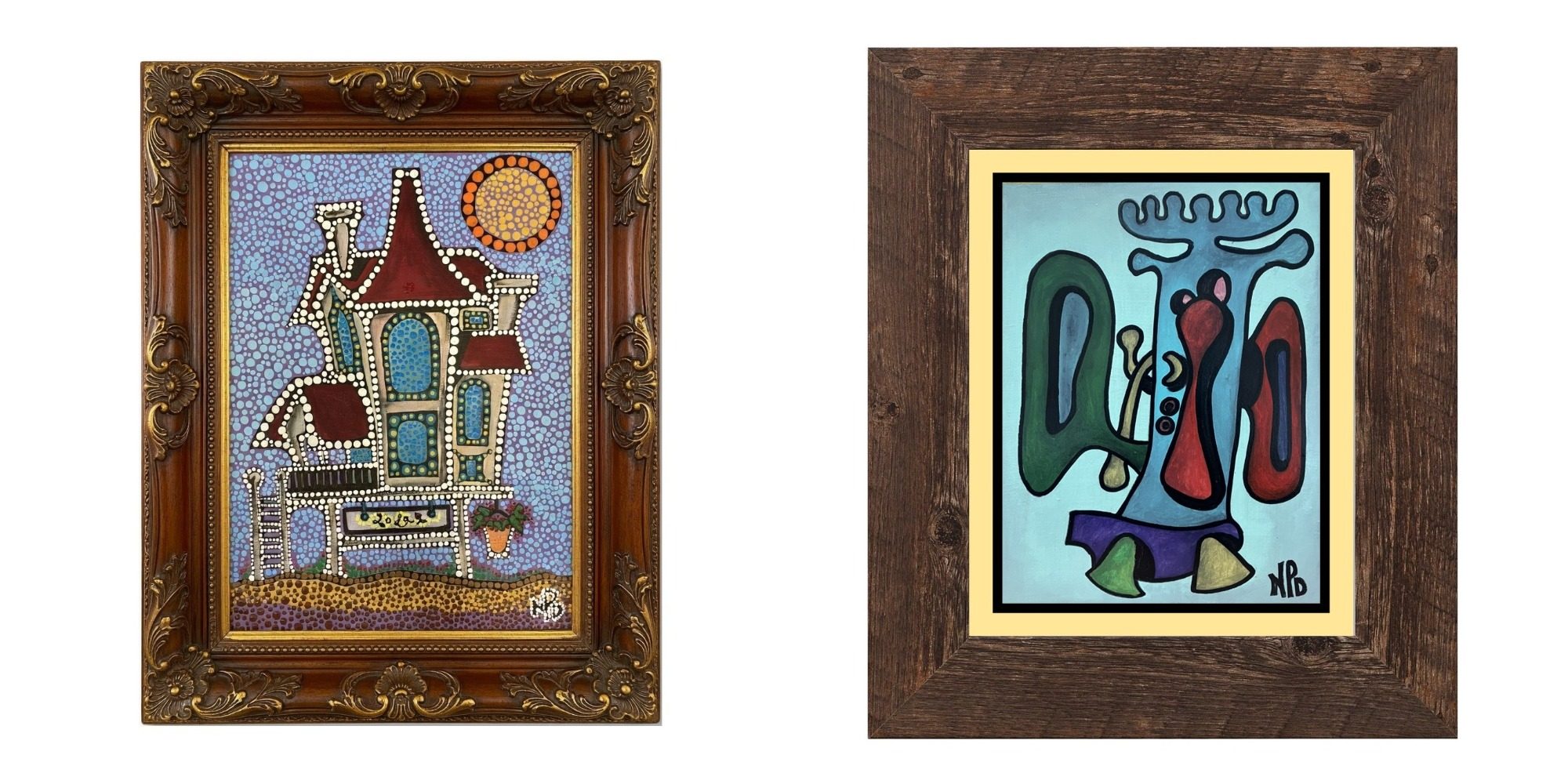
Images of canvases displaying prices and purchase options.
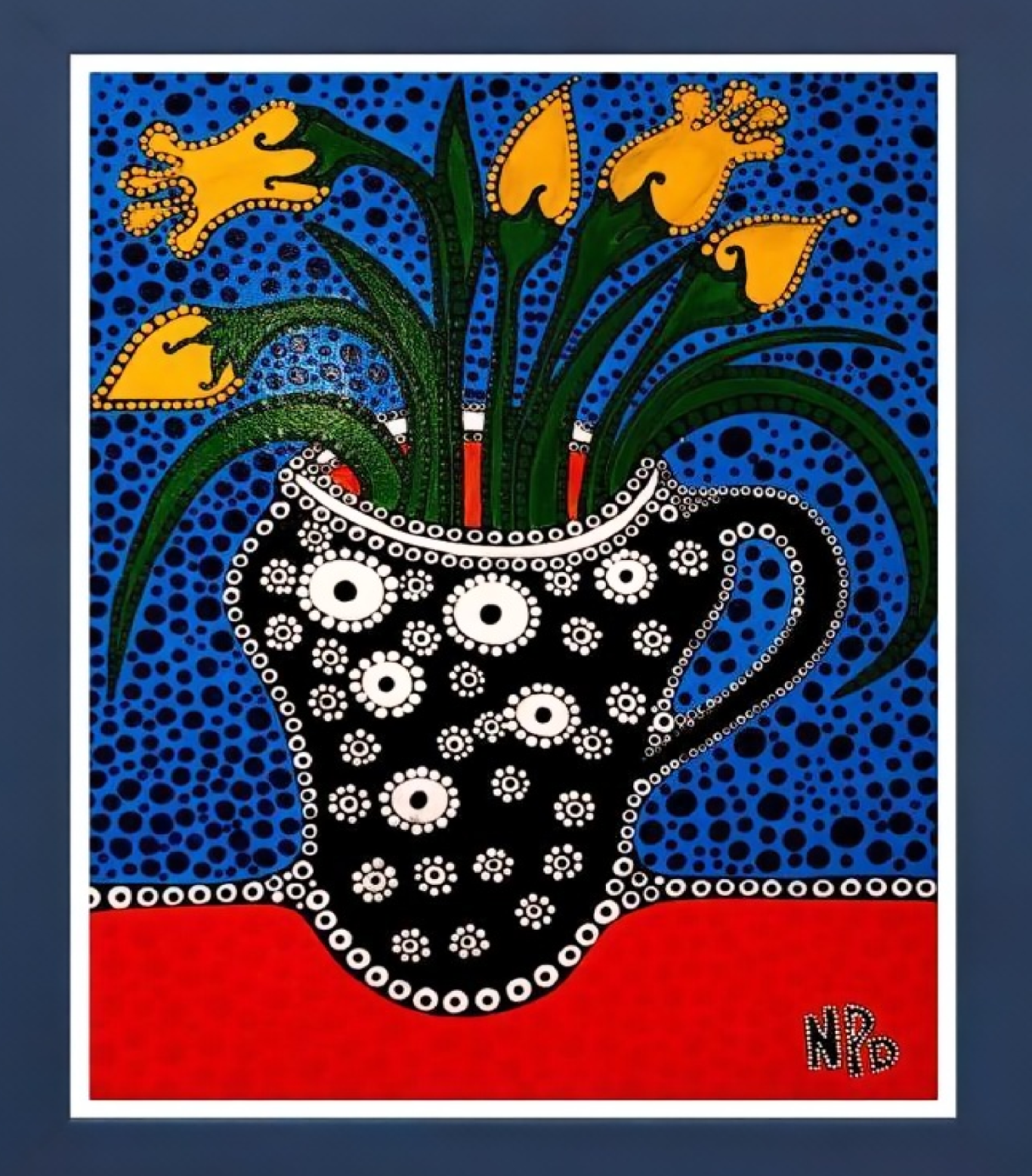
Art wasn’t part of Noel’s plan
Noel Perez Delgado (NPD) - The Painting Architect
"Born and raised in Cuba, his early passions leaned toward philosophy and design. He pursued architecture, drawn to the elegance of form and structure—yet never imagined he would one day hold the brush himself. “Even Picasso,” he jokes, “was someone I admired from afar.”
(This artwork is sold.)
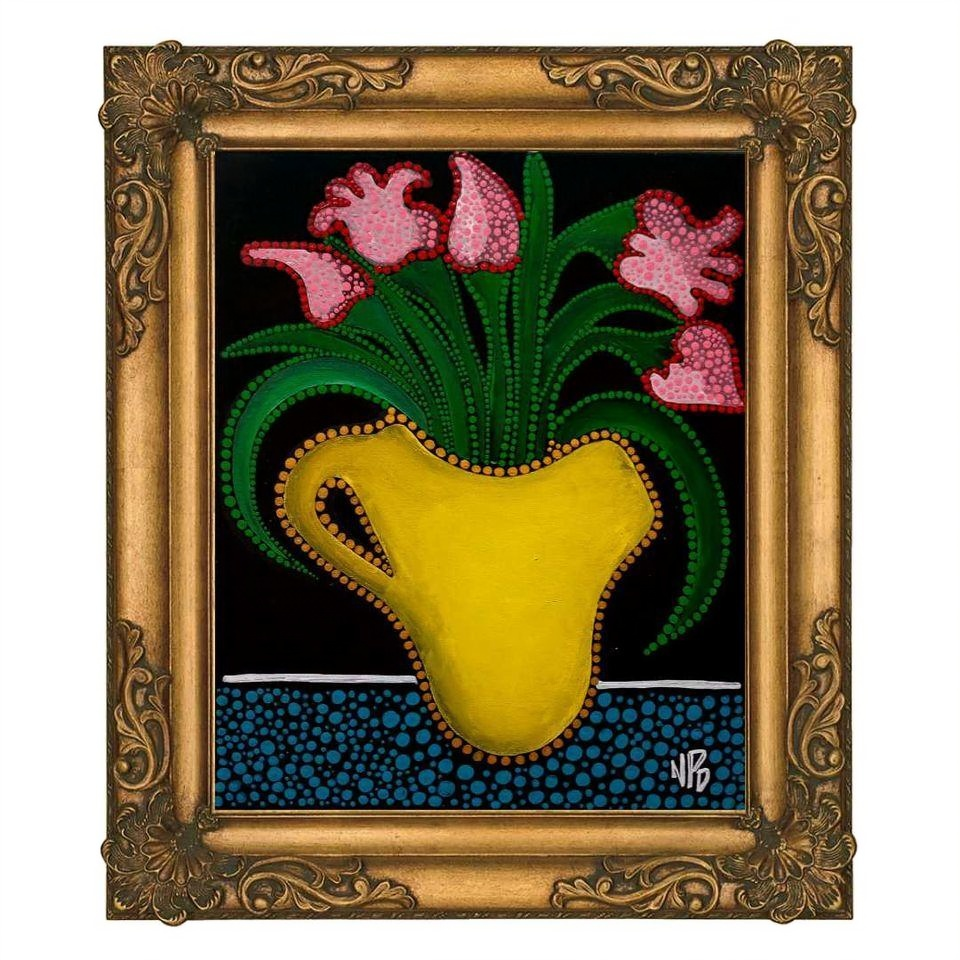
It wasn’t just creativity... It was dignity. Connection. A spark of pride
"That changed when life’s journey brought him to the United States in 2005 through the Diversity Visa Program, often called the “Visa Lottery.” Meeting its rigorous requirements of education, experience, and determination, Noel began a new chapter across Washington D.C., Seattle, and Boston, seeking stability while managing the challenges of Rheumatoid Arthritis & Fibromyalgia, that affects the joints, muscles and soft tissues. Eventually, Alaska’s cool climate offered some relief, and it was there that his story took a profound turn."
(This artwork is sold.)
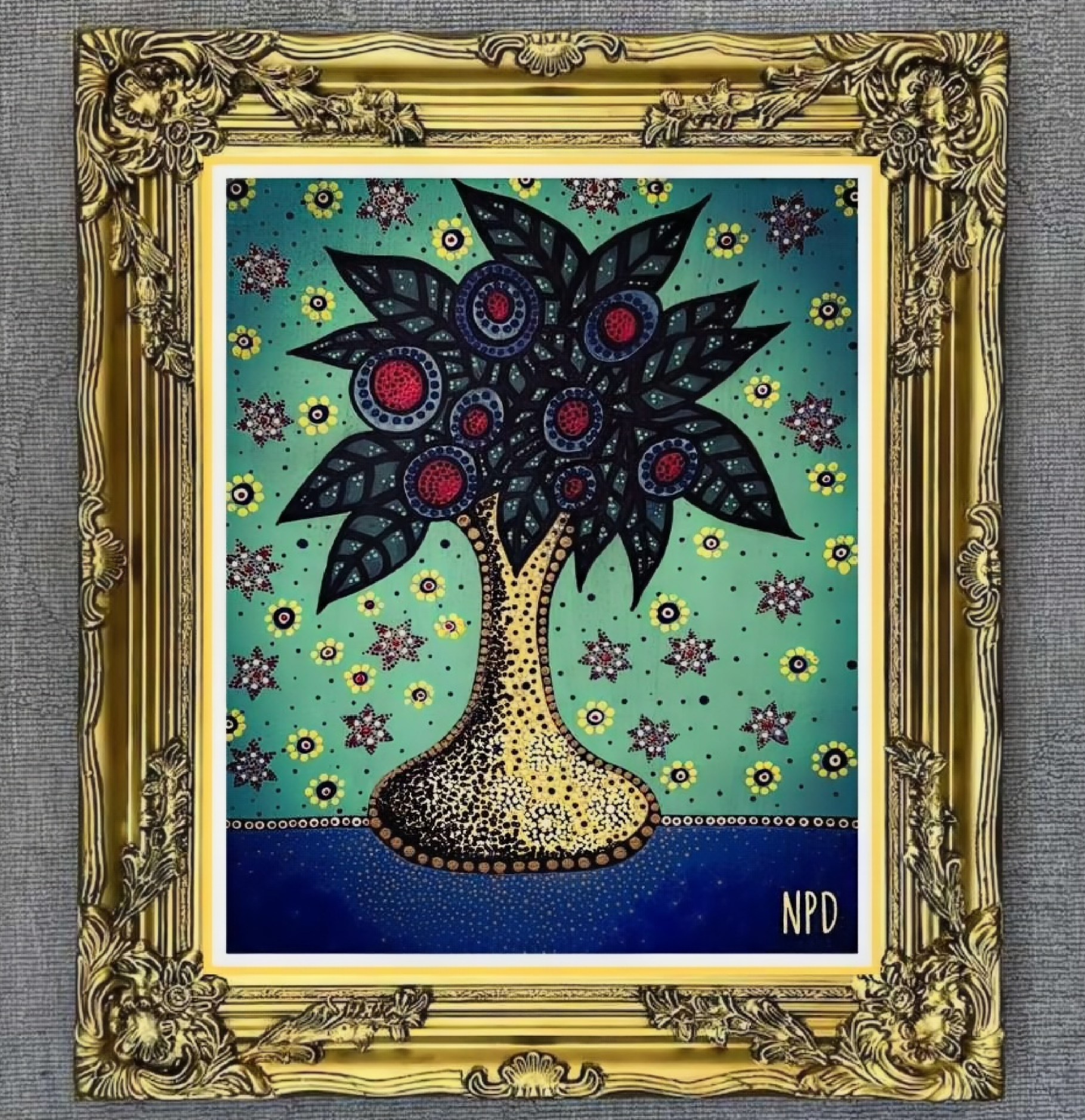
He’s walking that path with something newly rediscovered: confidence, purpose, and pride in what he creates
"In Anchorage, Noel encountered Sister Lucia, whose painting enrichment sessions opened a door he hadn’t expected. One day, she handed him a sketchbook and asked, “Where is home?” That simple question unlocked something deeper. His first attempt may have been uncertain, but through brushstrokes and imagination, Noel discovered not just creativity—but dignity, connection, and pride.
Since then, Noel has completed more than 200 canvases. His work is expressive, colorful, and deeply personal, often painted daily with a sense of purpose. Each finished piece carries a story, and sharing it brings him joy—especially when he sees the light in Sister Lucia’s eyes as she views his latest creation."
[...] Featured in Marie Cozzetti’s June 10, 2025 article on the Catholic Social Services Alaska website: A Hidden Talent, Rediscovered — Noel’s Story of Purpose and Art.
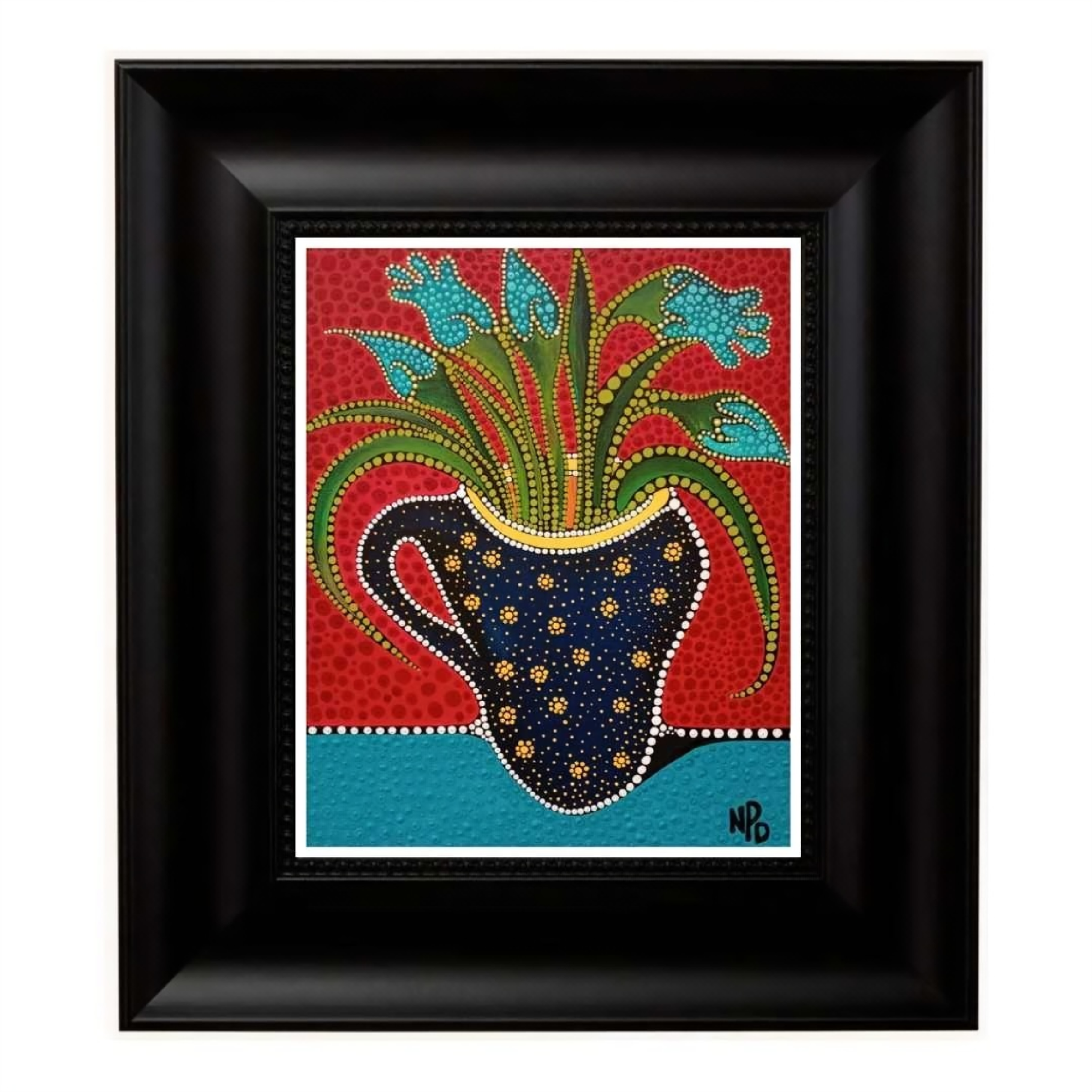
SOLD
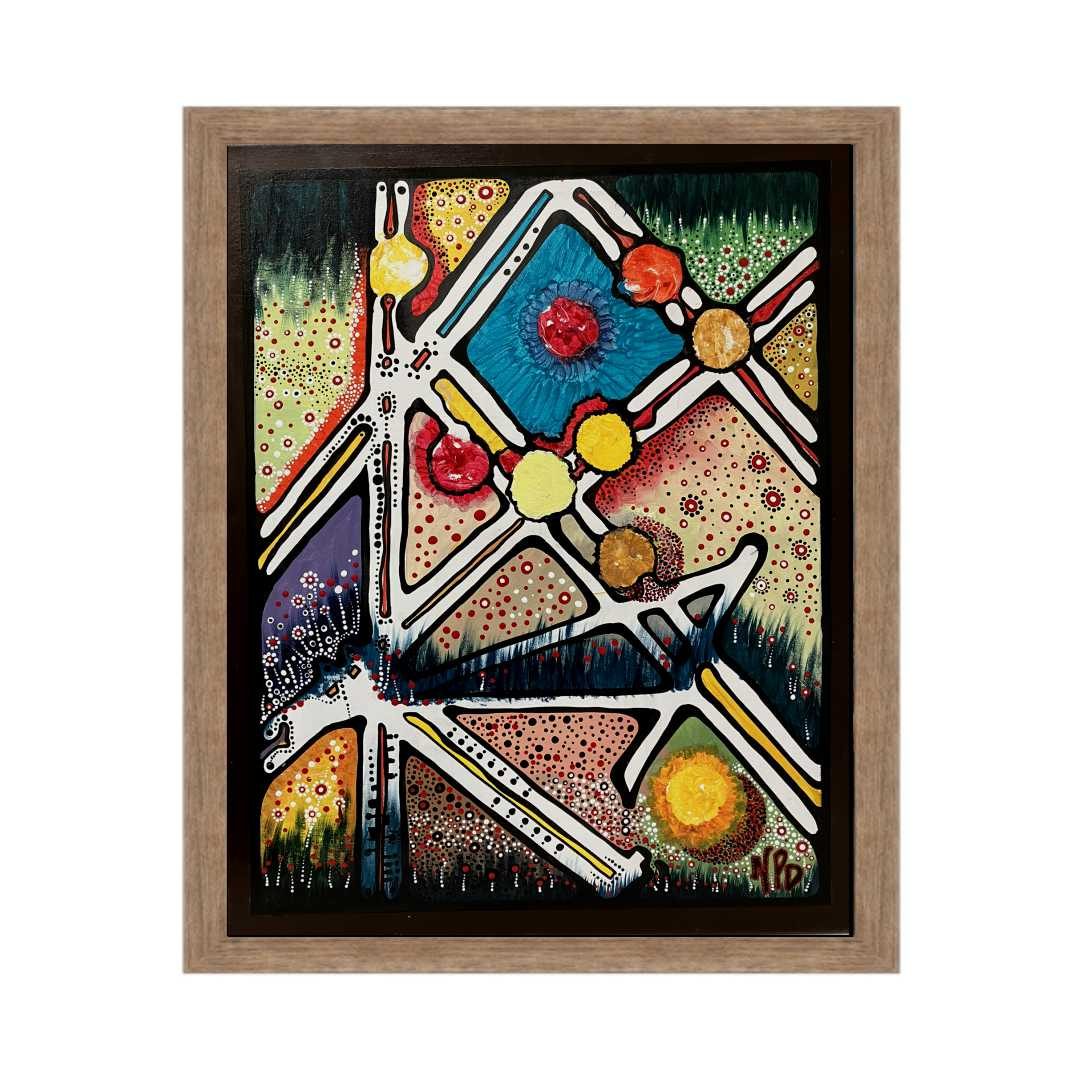
Blues & dots
Looking back on the past year (2024) from a quieter distance, I begin to notice the delicate details—those small, luminous moments that often go unseen in the rush of daily life. These six pointillist vases, each blooming with their own quiet rhythm, carry the memory of Thursdays spent at the Catholic Social Services Market in Anchorage, AK. Week after week, I stood among a circle of remarkable women, sharing art, stories, and purpose.
To the women of Catholic Social Services: your strength, warmth, and camaraderie were the unseen petals in my own bouquet of growth. I carry deep gratitude for each of you. Thank you—for your presence, your encouragement, and your light.
(This artwork is sold.)
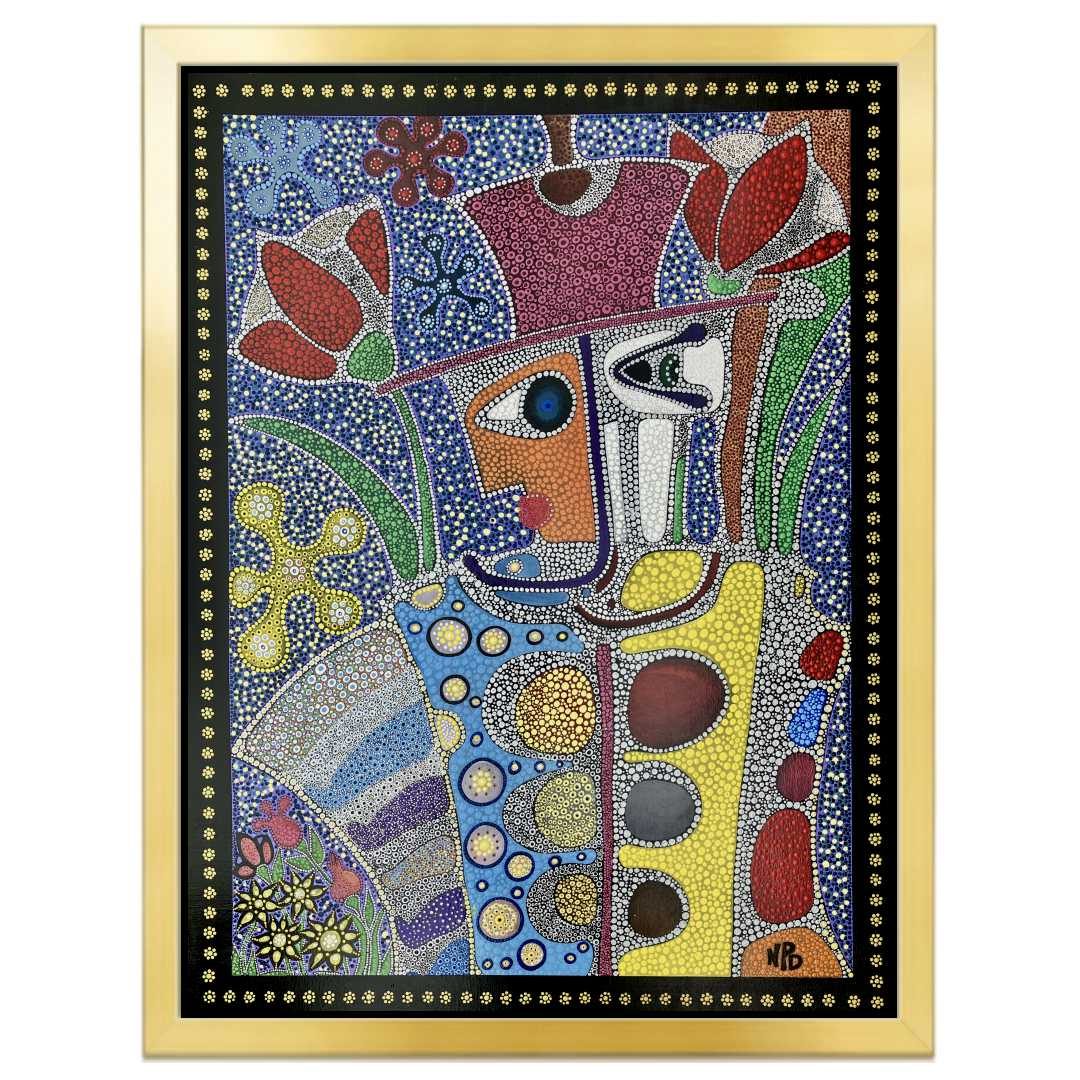
This artwork is sold.
A Male Florist
This work highlights the controversy surrounding male florists, exploring the intersection of gender norms, professional identity, and discrimination within the floristry profession. It also reflects on the duality of flowers—as symbols of both vibrant life and poignant death. This duality emphasizes the beauty found in both the flourishing of life and its inevitable end, reinforcing the idea that the transient nature of existence enhances its value. Flowers often symbolize the fragility of life, blooming in intense splendor only to wither and die—a cycle that underscores the impermanence of all things. This theme reflects the human experience, where joy and sorrow, life and death, are deeply intertwined.
Acrylic on canvas.
Dimensions: 36” x 48"
08-19-2025
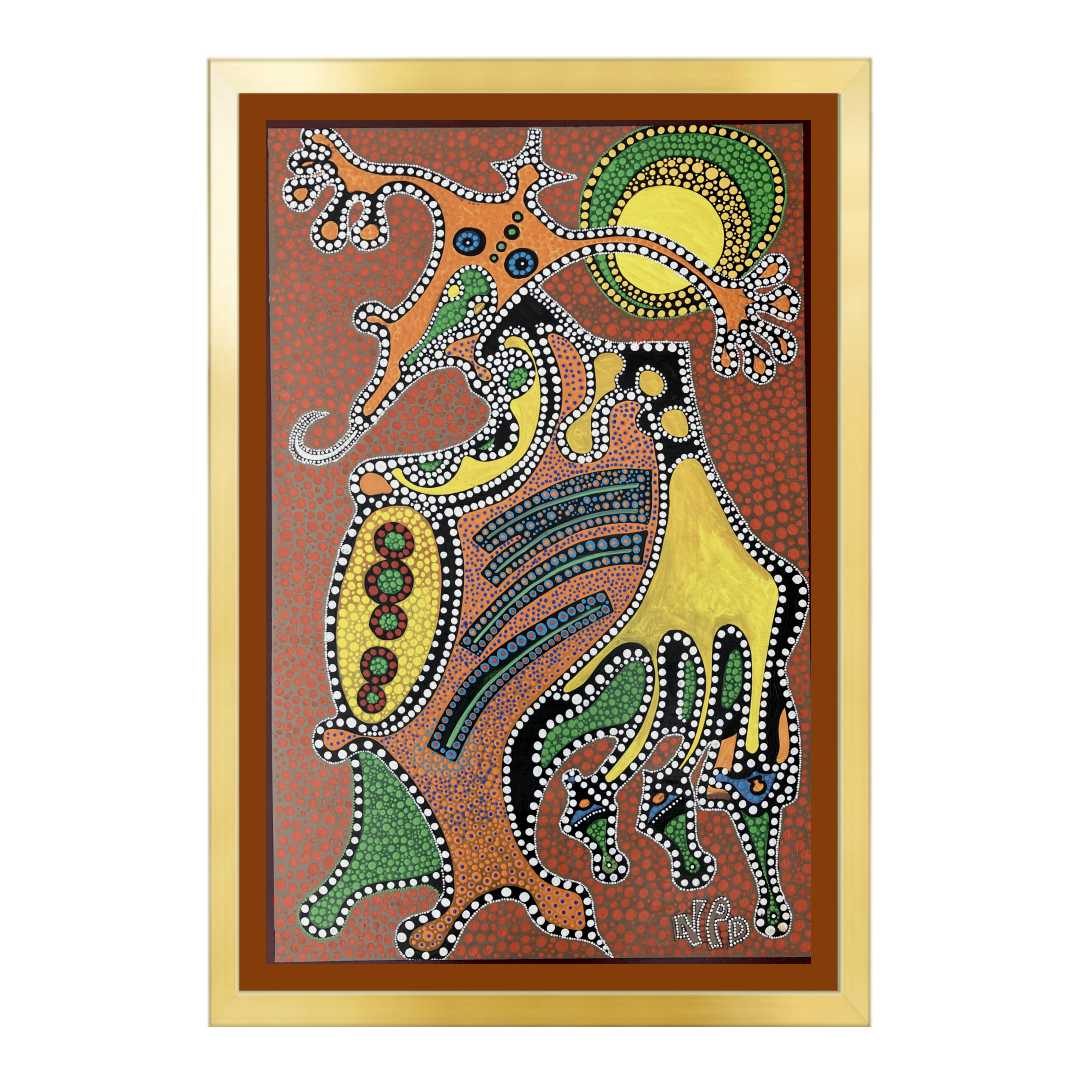
Gallery Price: $ 1,800.00
The Feast of the Goat
(Spanish: La Fiesta del Chivo) is a 2000 novel by Peruvian author Mario Vargas Llosa, a Nobel Prize winner in Literature. The title comes from the popular Dominican merengue song Mataron al Chivo ("They Killed the Goat"), which commemorates the assassination of Rafael Leónidas Trujillo, the Dominican Republic’s dictator, on May 30, 1961—known as the Day of Liberty.
Trujillo ruled the country from 1930 until his death in 1961. The nickname Chivo (goat) was commonly used for him, possibly referencing his ceremonial hat with horns or his personal habits. The song’s theme has inspired several cultural works, including Vargas Llosa’s novel La Fiesta del Chivo.
Acrylic on canvas.
Dimensions: 24” x 36”
07/2025
This piece is currently part of the exhibition at: www.stephanfinearts.com
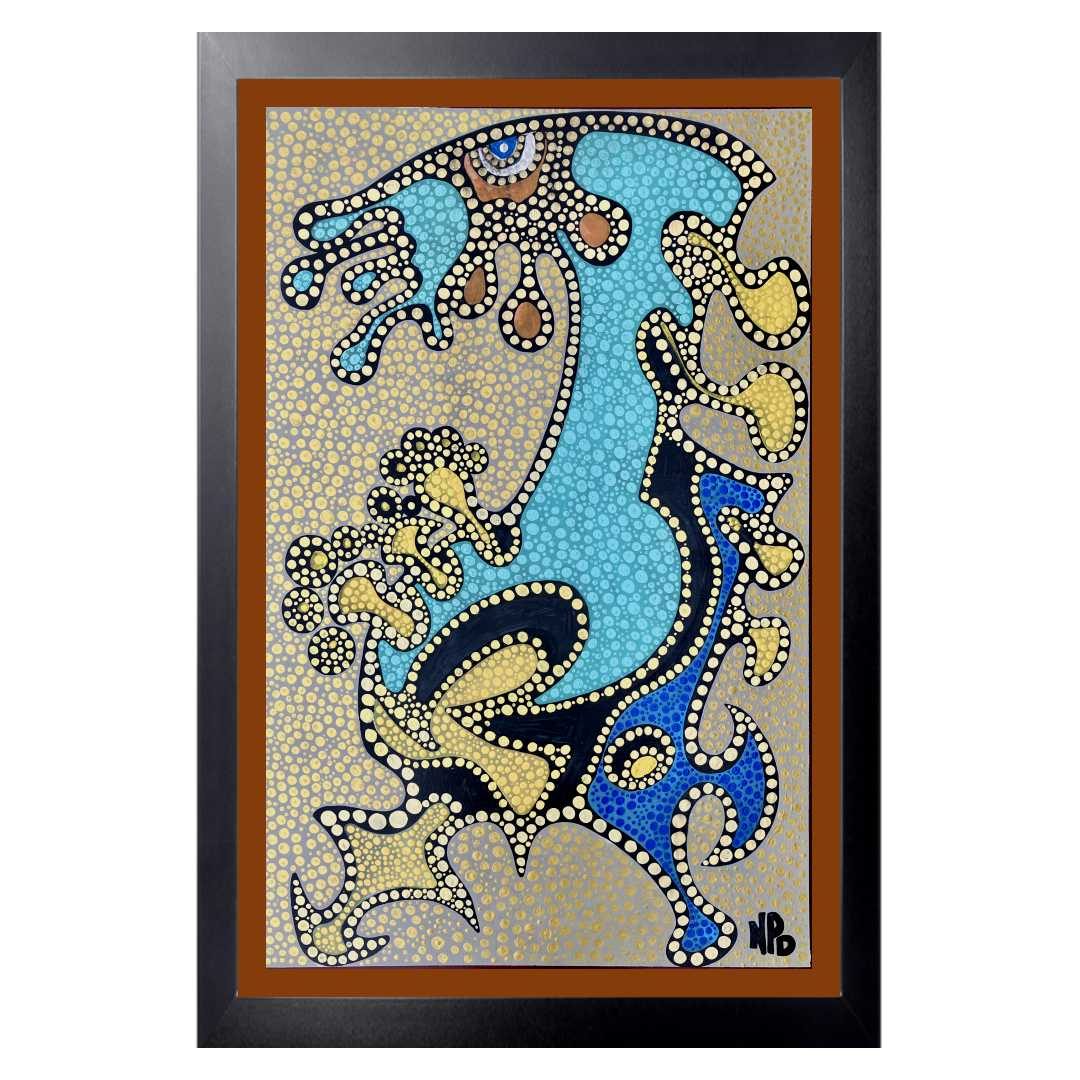
Laddie Boy
The Airedale Terrier is the largest of the terrier breeds. Originating in the Aire Valley in Yorkshire, England, between 1810 and the 1870s, it was developed by crossing the Otter Hound with the now-extinct Old English Black and Tan Terrier. The result was an intelligent, versatile working dog capable of hunting with miners and protecting women and children while the men were at work.
The Dog of the President (inspiration)
A life-sized sculpture of Laddie Boy, an Airedale Terrier, is part of the collection at the Smithsonian Institution’s National Museum of American History (though it is not currently on display). The statue, created by sculptor Bashka Paeff, is made from over 19,000 pennies donated by newsboys.
Warren Gamaliel Harding (November 2, 1865 – August 2, 1923) was the 29th president of the United States, serving from 1921 until his death in 1923.
Dimensions: 24” x 36”
07/2025
Gallery Price: $1,500.00
This piece is currently part of the exhibition at: www.stephanfinearts.com
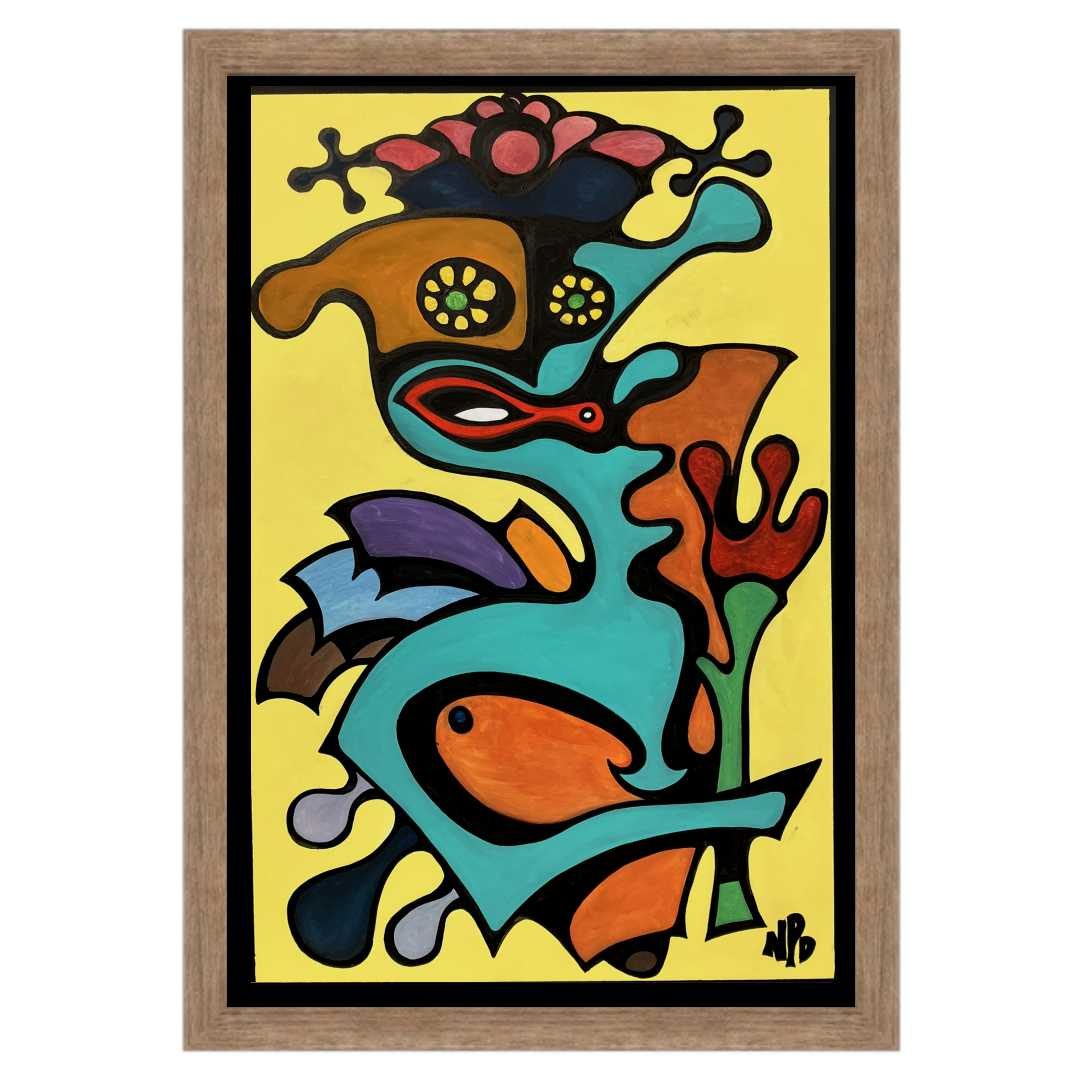
ANGEL
Angel is a meditation on grace in the midst of rupture—a figure suspended between realms, rendered in strokes that shimmer with both serenity and unrest. The canvas breathes with ethereal light, yet beneath its surface lies a quiet turbulence, as if the divine is not distant but intimately entangled with human fragility. Wings may be implied or absent, but the presence is unmistakable: a guardian, a witness, a memory of protection. This is not a portrait of perfection, but of transcendence earned through vulnerability. The work invites the viewer to consider the sacred not as unreachable, but as something that flickers within us, especially when we are most undone.
Dimensions: 24” x 36”
07/2025
Gallery Price: $1,200.00
This piece is currently part of the exhibition at: www.stephanfinearts.com
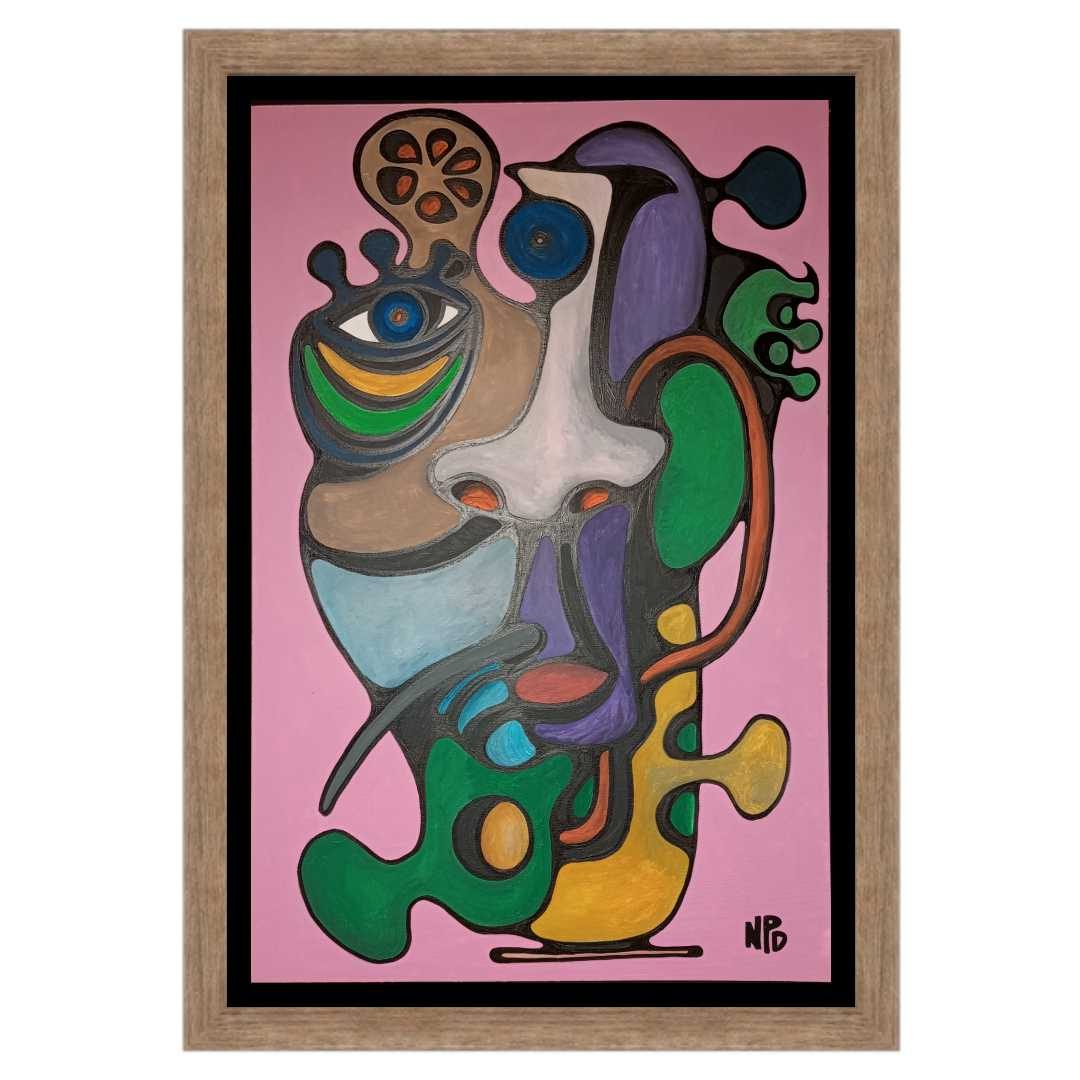
Self-Deconstruction of My Portrait
This work is both confession and confrontation—a portrait unraveled from the inside out. Self-Deconstruction of My Portrait strips away the illusion of cohesion, revealing a layered anatomy of identity in flux. Fractured brushwork and shifting planes of color suggest a face in the act of becoming—or unbecoming—where memory, emotion, and self-perception collide. The canvas becomes a mirror that refuses to flatter, instead offering a raw, intimate excavation of the artist’s psyche. It is not a likeness, but a reckoning: a visual soliloquy that asks what remains when the image is dismantled and the mask laid bare.
Acrylic on canvas, 24" × 36"
For Sale
Life Is a Carnival
Inspired by the iconic Celia Cruz song, this painting celebrates the vibrant soul of New York through the lens of fashion, music, and cultural pride. She is the original "New Yorker Girl" in a series of eight portraits—four women and four men—each representing one of the world’s great fashion capitals: Milan, London, Paris, and New York.
Celia Cruz, the legendary Cuban singer and queen of Salsa, was known for her bold, expressive style. Renowned designers helped shape her unforgettable image, blending couture with charisma. This piece channels that same energy—painted in acrylic on canvas (20 x 16 inches) using the meticulous pointillism technique.
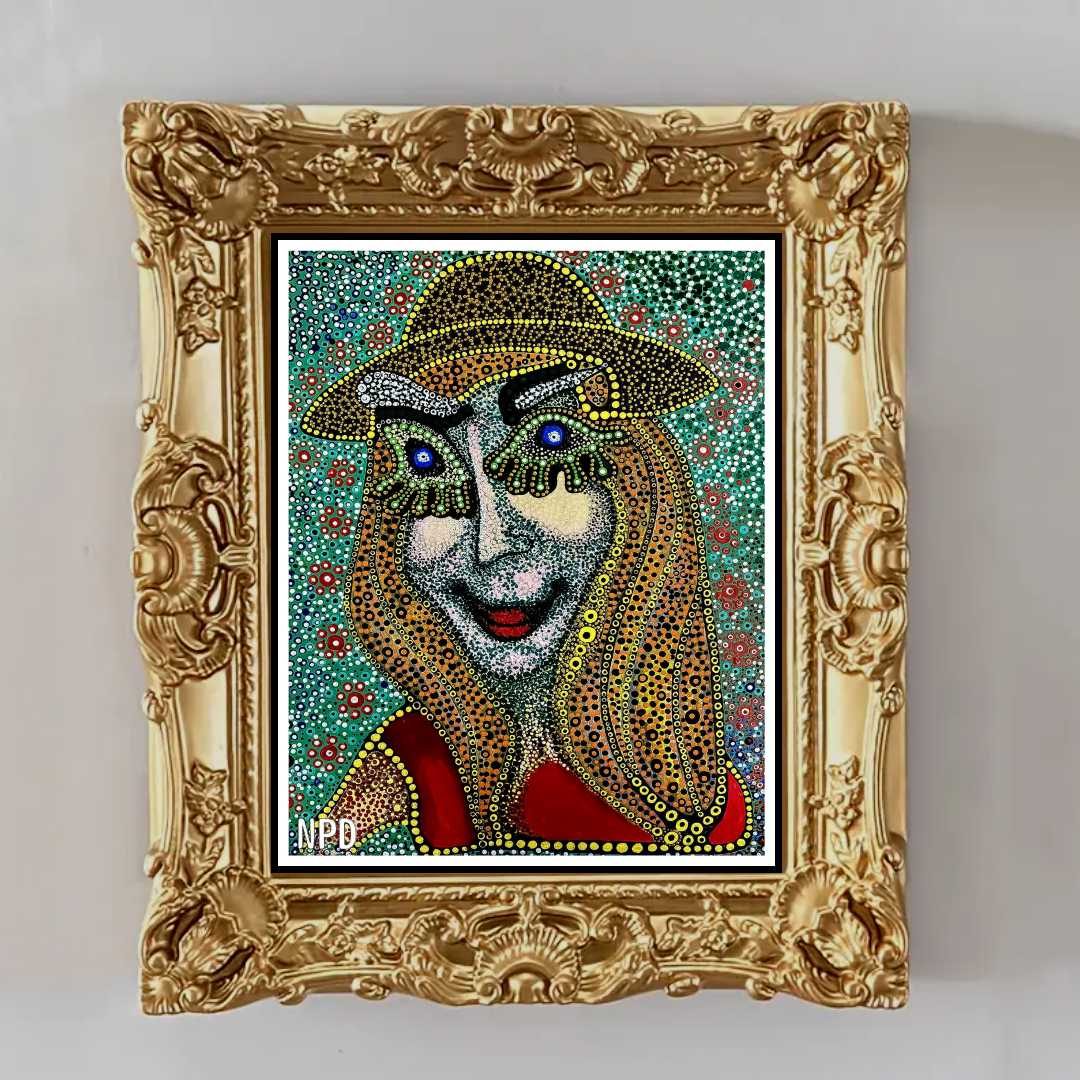
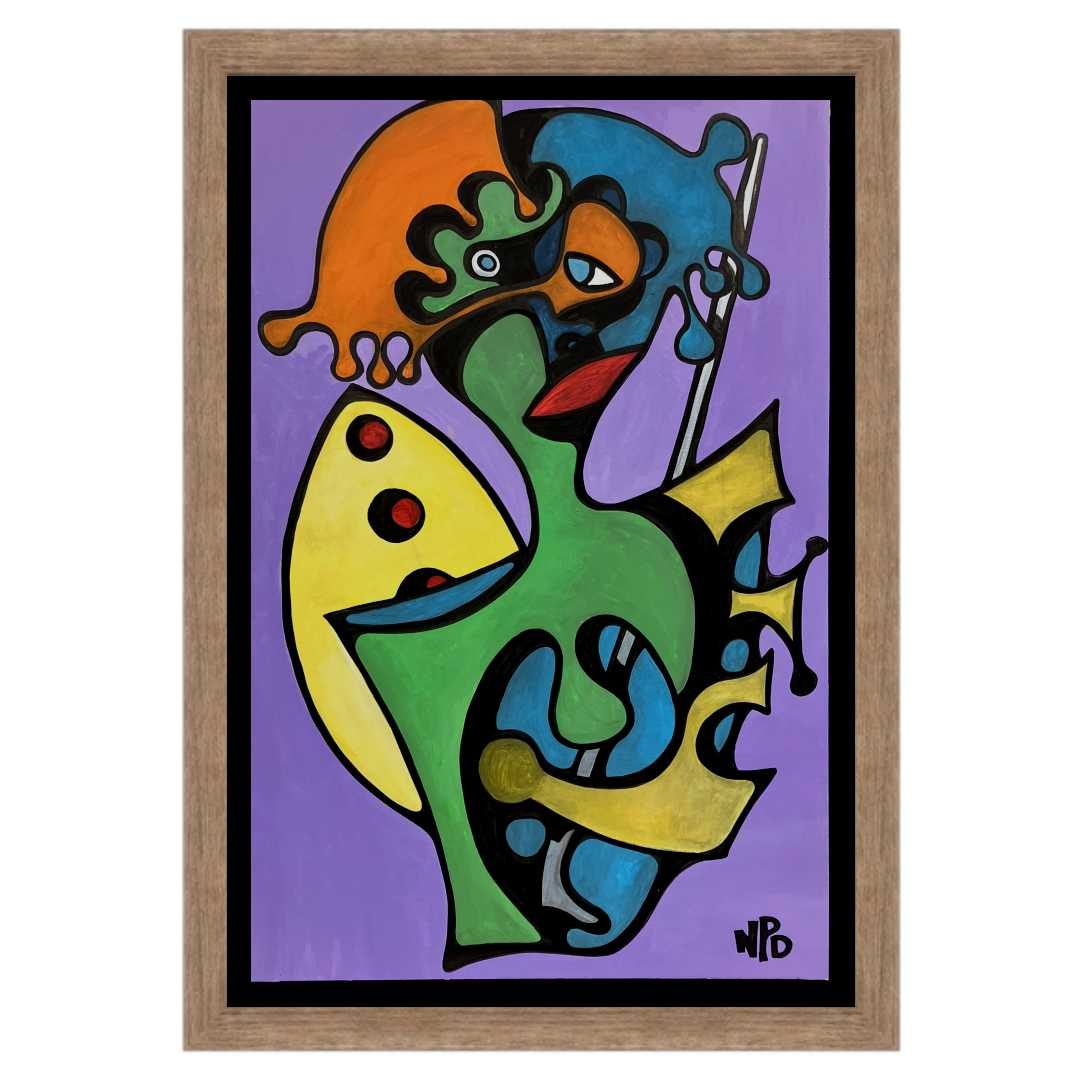
[...] Warrior
Bold and unflinching, Warrior stands as a visual invocation of resilience. Layers of acrylic surge across the canvas like armor—textured, luminous, and battle-worn—evoking both the chaos and clarity of inner strength. The figure, whether literal or abstract, emerges from a storm of color and gesture, confronting the viewer with a gaze that is not pleading, but resolute. Mythic undertones ripple beneath the surface: echoes of ancestral courage, spiritual defiance, and the quiet power of survival. This piece does not merely depict a warrior—it becomes one, inviting reflection on what it means to endure, to protect, and to rise.
Acrylic on canvas, 24" × 36"
07/2025
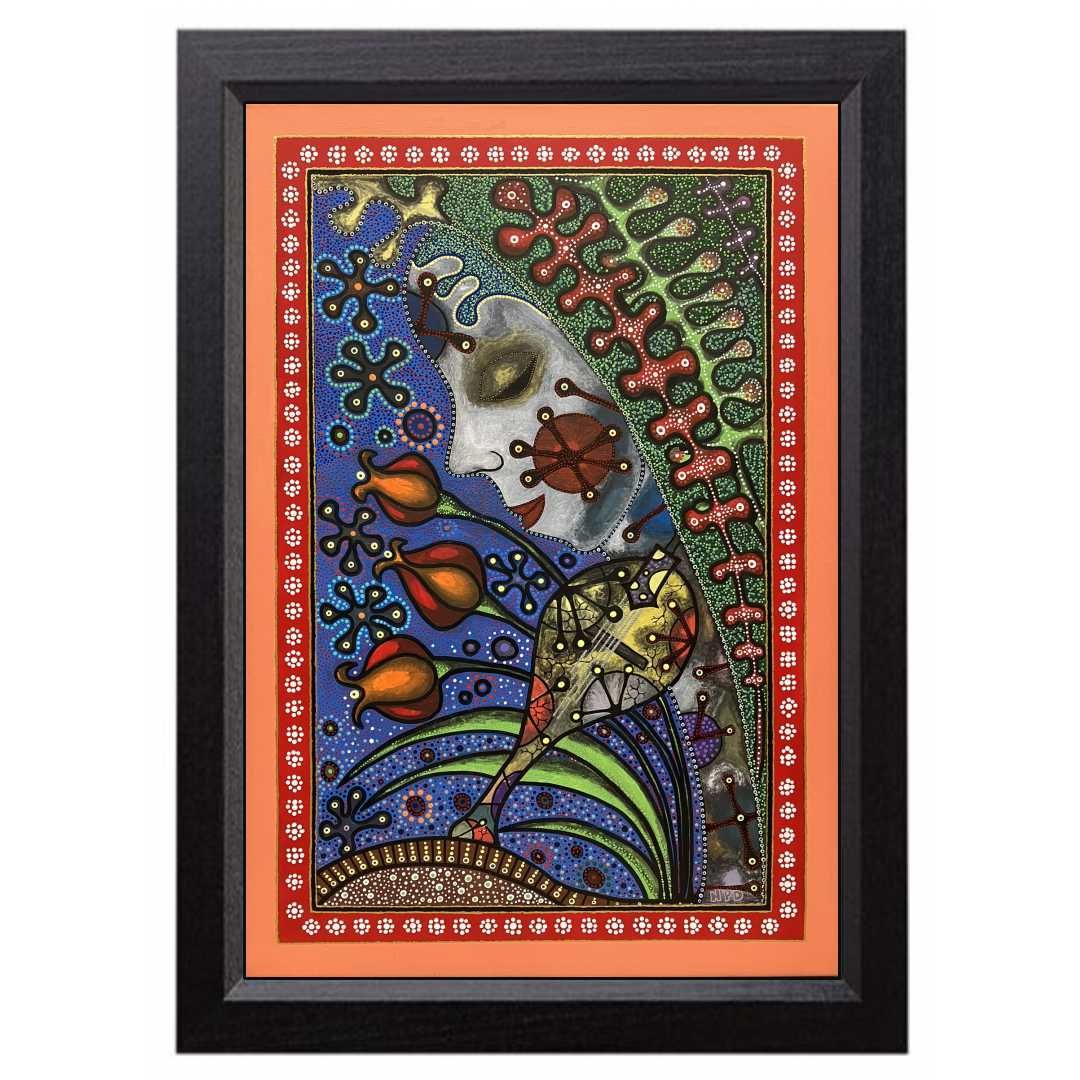
A girl with a broken mandolin
Serenity Amidst Sorrow: A Tribute to the Savannah Bird Girl
Inspired by the iconic Savannah Bird Girl statue, famously immortalized in the film Midnight in the Garden of Good and Evil, this sculpture reimagines her essence in stone. Poised gracefully within a garden fountain, she cradles a mandolin—a symbol of her enduring artistry and spirit.
Though tormented by the weight of sorrow, her expression remains a beacon of peace and quiet strength; calm and unwavering, invites the viewer to witness a profound serenity that transcends hardship.
The technique of pointillism breathes life into this piece, delicately layering countless tiny dots to evoke a shimmering tranquility that envelops her form. This meticulous artistry pushes into her serenity, capturing the subtle interplay between turmoil and calm, darkness and light.
Here, in this garden sanctuary, she stands as a timeless guardian of art and resilience, reminding us that even in the face of adversity, beauty and peace endure.
Acrylic on canvas, 24" × 36"
07/2025
Gallery Price: $ 1,800.00
This piece is currently part of the exhibition at: www.stephanfinearts.com
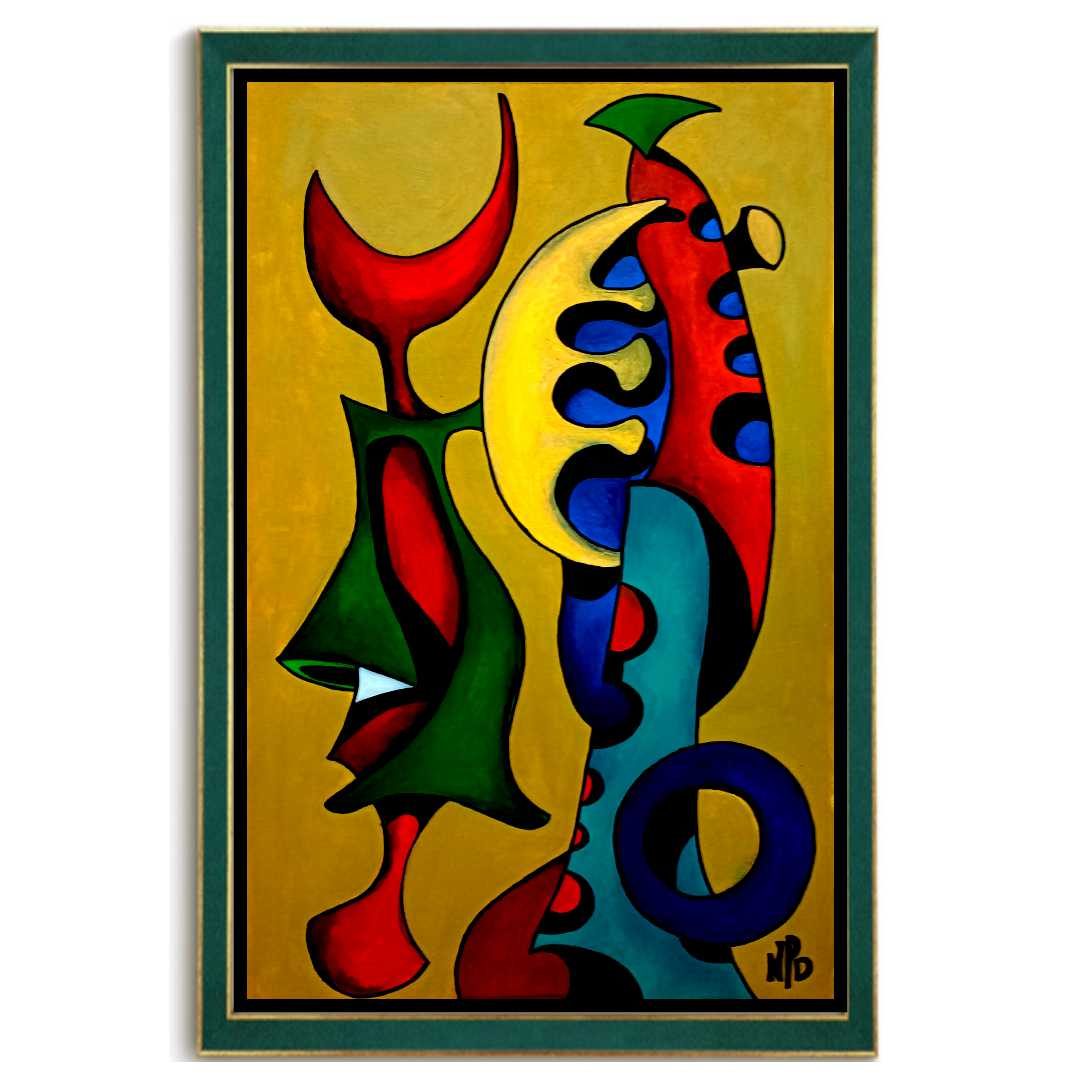
By the Mid-Century
A Sideways Glance at the Founders of the Bauhaus
This piece is a contemporary homage to the revolutionary spirit of the Bauhaus movement, capturing its essence through abstraction, geometric shapes, and stark contrasts. Inspired by the pioneering designers and artists who founded the Bauhaus school in the early 20th century, the work channels their bold experimentation with form and function.
The composition plays with the language of abstractionism that defined Bauhaus aesthetics—clean lines, dynamic shapes, and a deliberate interplay of light and shadow. The shapes are arranged to evoke the architectural and design principles that emerged from the school: simplicity, balance, and the fusion of art with industrial craftsmanship.
Through a sideways glance, the painting invites viewers to reconsider the Bauhaus founders not as distant historical figures but as vibrant catalysts of modern design. The contrasts in color and form reflect the tension and harmony that characterized their work—between tradition and innovation, chaos and order.
This piece is both a visual dialogue and a tribute, celebrating the Bauhaus legacy that continues to influence contemporary art and design. It challenges the viewer to see beyond the surface, to explore the abstract narratives embedded in shapes and contrasts, and to appreciate the enduring power of design as a transformative force.
Acrylic on canvas, 24" × 36"
08/2025
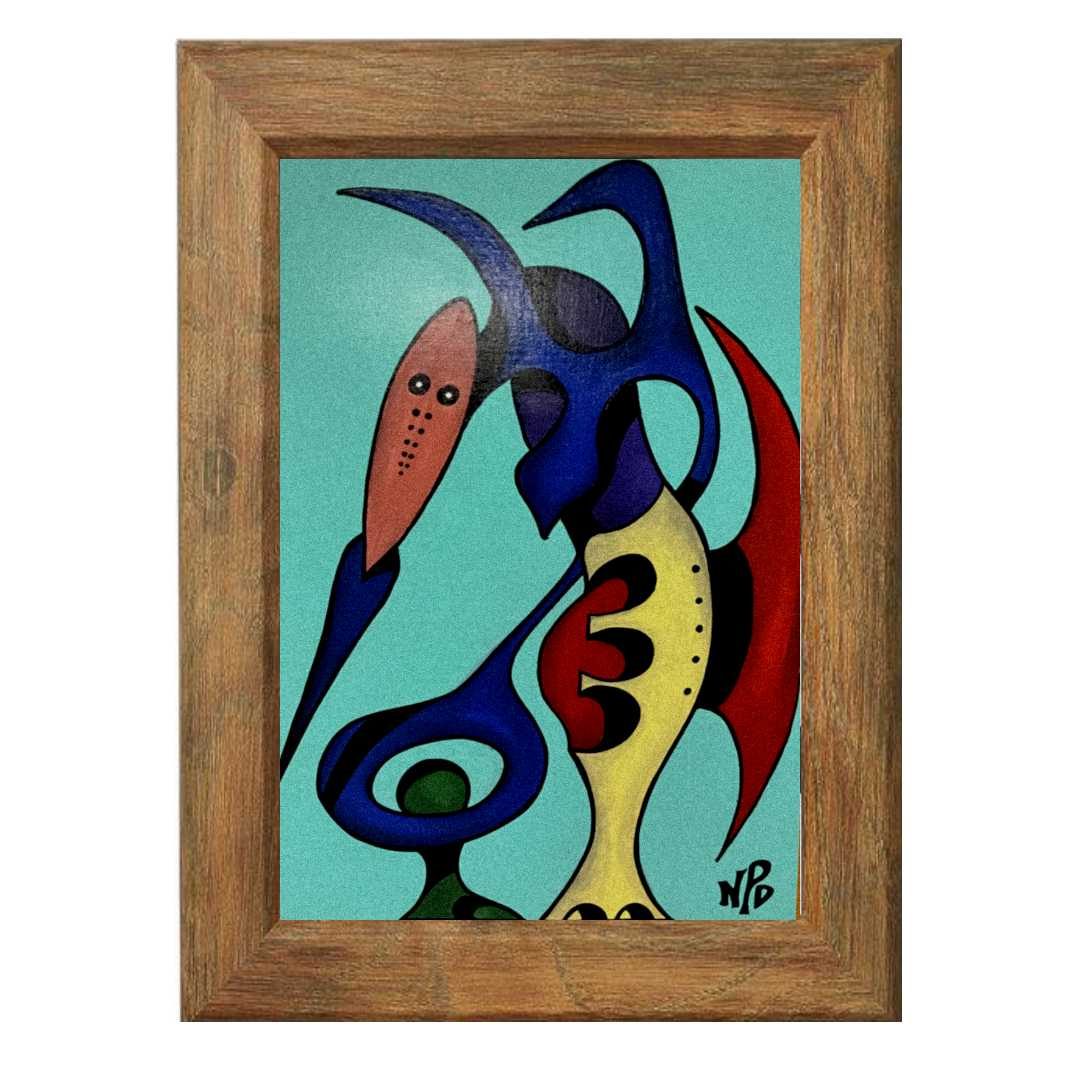
Hunting Herons
Inspired by Botticelli’s St. Sebastian, this abstract work reframes a moment of sacred suffering through a modern lens of detachment. In the distance, faceless figures pursue herons with careless joy—unaware, or unwilling to see, the martyrdom unfolding nearby. The canvas pulses with fractured forms and elusive silhouettes, evoking a world where violence and beauty coexist, and where the sacred is eclipsed by spectacle. A meditation on distraction, complicity, and the quiet persistence of grace.
Acrylic on canvas, 24 × 36 inches
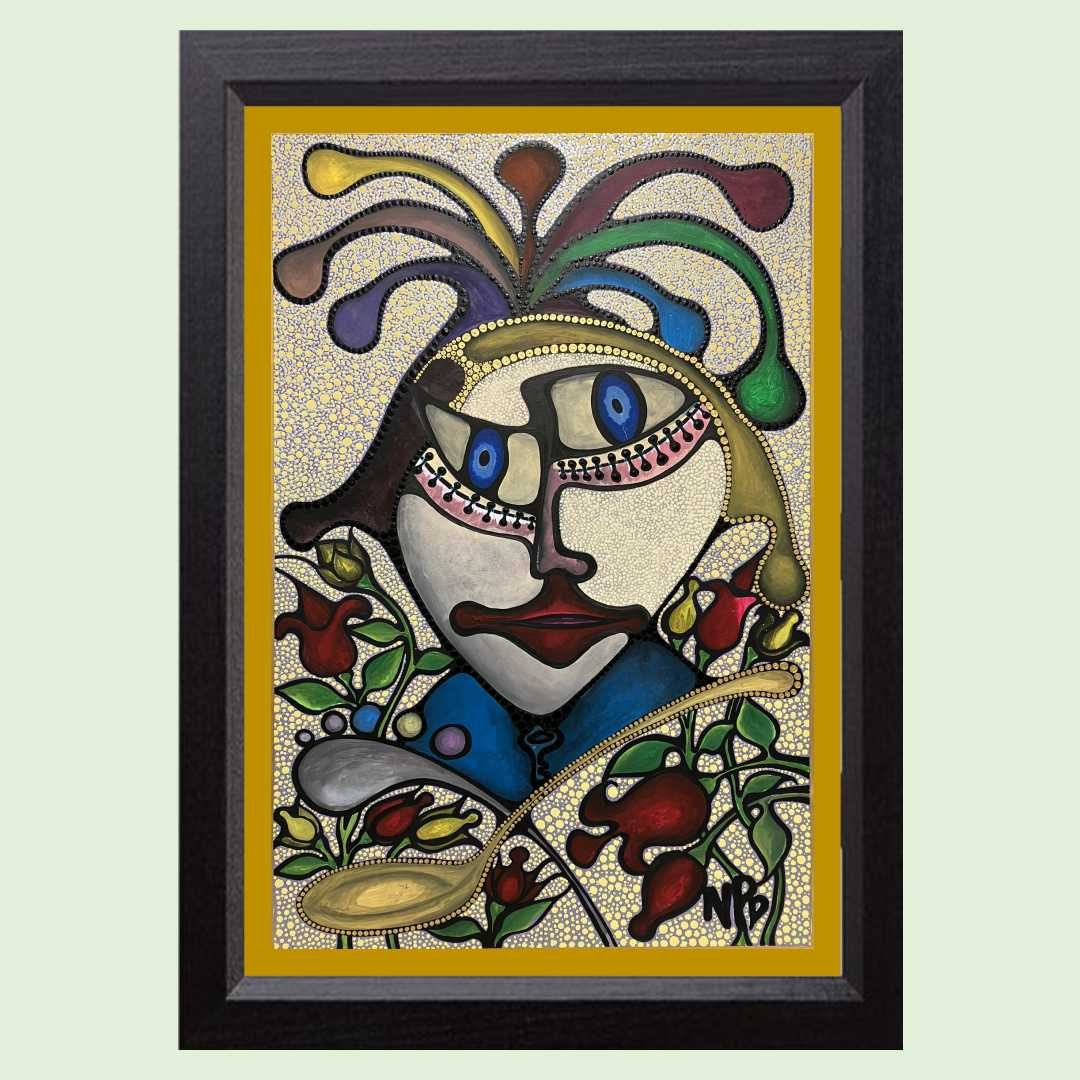
Comedy Keeper
Jean de La Bruyère once observed, “Life is a tragedy for those who feel, and a comedy for those who think.” This artwork, Comedy Keeper, embodies that profound divide between the emotional heart and the analytical mind. It speaks to the duality of human experience—where the heart mourns every injustice, yet the mind finds humor in the absurdity of our shared chaos.
Rendered in acrylic on a 24×36 inch canvas, this piece is a parody layered over a carefully composed foundation. The intricate arrangement of dots creates a dynamic tension, balancing form and fragmentation. This playful yet complex pattern invites viewers to reflect on how perspective shapes our understanding of life’s contradictions.
Comedy Keeper challenges us to embrace both feeling and thinking, tragedy and comedy, in the ongoing narrative of existence.
The Forbidden Fruit
The Burden of Will — A Parodic Reflection on St. Augustine’s Three Stages of Sin.
This acrylic on canvas piece, measuring 24 by 36 inches, invites viewers into a profound meditation on St. Augustine’s philosophical and theological exploration of sin. The artwork centers on a parodic representation of Adam, whose figure is both familiar and unsettling. His head is encumbered by an apple stalk, symbolizing the original sin and the weight of choice that has forever altered human existence.
The composition employs a playful yet intricate arrangement of dots, creating a dynamic tension between form and fragmentation. This technique echoes the fragmented nature of human will and the complexity of moral struggle as outlined by Augustine’s three stages of sin: the initial desire, the consent of the will, and the resulting action.
Adam’s posture, burdened and hesitant, visually narrates the paralysis of the will after the Edenic fall. The apple stalk lodged in his thoughts metaphorically illustrates how the consequences of sin weigh heavily on the soul’s soldiers—the faculties and forces that govern human decision-making and action. The figure’s inability to move forward captures the existential conflict between freedom and bondage, a core theme in Augustine’s reflections.
Through this parodic yet deeply symbolic portrayal, it challenges viewers to reconsider the nature of sin not merely as a moral failing but as an enduring internal struggle shaped by desire, will, and consequence. The dot composition further emphasizes the multiplicity of influences and the fragmented self, inviting contemplation on how each choice reverberates through the soul’s fabric.
This work is a vivid dialogue between classical theology and contemporary artistic expression, blending humor, symbolism, and technique to explore timeless questions of human nature, freedom, and redemption.
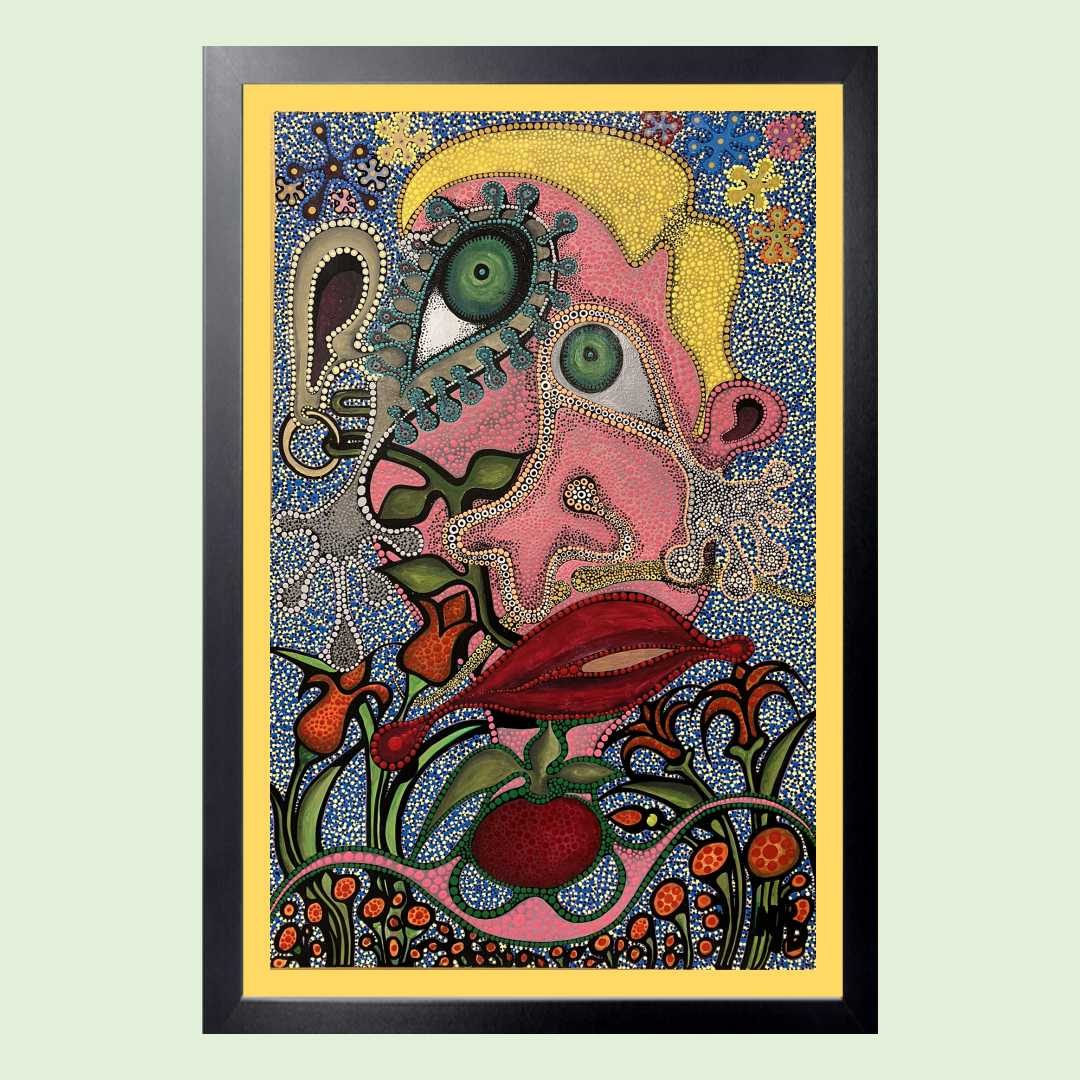
Eve: A Unique Individual
This piece invites viewers into a profound exploration of identity, myth, and the complex nature of womanhood through the figure of Eve. Positioned within the mythical Garden of All Creatures, Eve is captured in a moment of surprise and self-realization—a visual meditation on innocence intertwined with awareness.
Eve stands as a singular presence, “the one and only,” embodying both vulnerability and strength. Her story is inseparable from that of Lilith, a figure from Jewish folklore who preceded her. Lilith, created from the same earth as Adam, was his equal and refused to submit, choosing autonomy over conformity by leaving Eden on her own terms.
Eve, by contrast, was fashioned from Adam’s rib—a symbol of connection and difference, of companionship and compromise. She is often seen as the replacement, the wife who stayed. Yet, this work challenges that simplistic view. Eve is not merely a secondary figure; she is a unique individual with her own consciousness and power.
Her expression in this painting reflects the paradox of human experience: the simultaneous recognition of beauty and folly, innocence and knowledge, freedom and constraint. Through Eve, we confront the enduring tension between societal expectations and personal identity, between myth and reality.
This narrative invites you to reflect on the stories we inherit, the roles we assume, and the moments when we awaken to our own singularity.
Acrylic on canvas, 24 x 36 inches
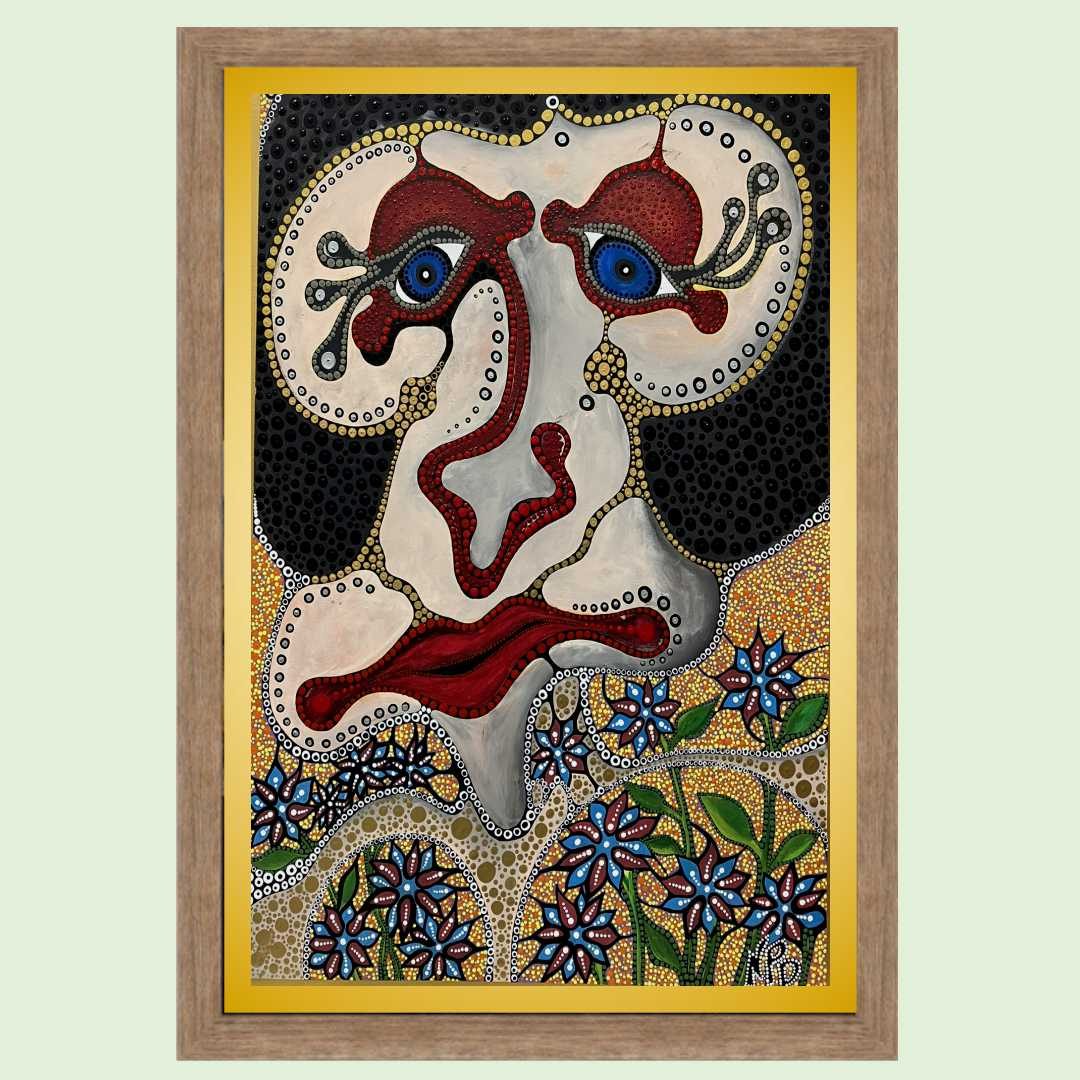
The Back of the Light
City Through a Child's Eyes. This work explores the city from a child’s perspective, revealing both its potential and its flaws. It also delves into a metaphorical relationship with architectural lighting, where design extends beyond natural light to include artificial elements integrated into building façades. The representation of light in architectural drawings—especially on elevations—requires careful attention to how shadows are cast, adding depth and dimension to the visual interpretation of the structure.
Dimensions: 24” x 36” (06-19-2025)
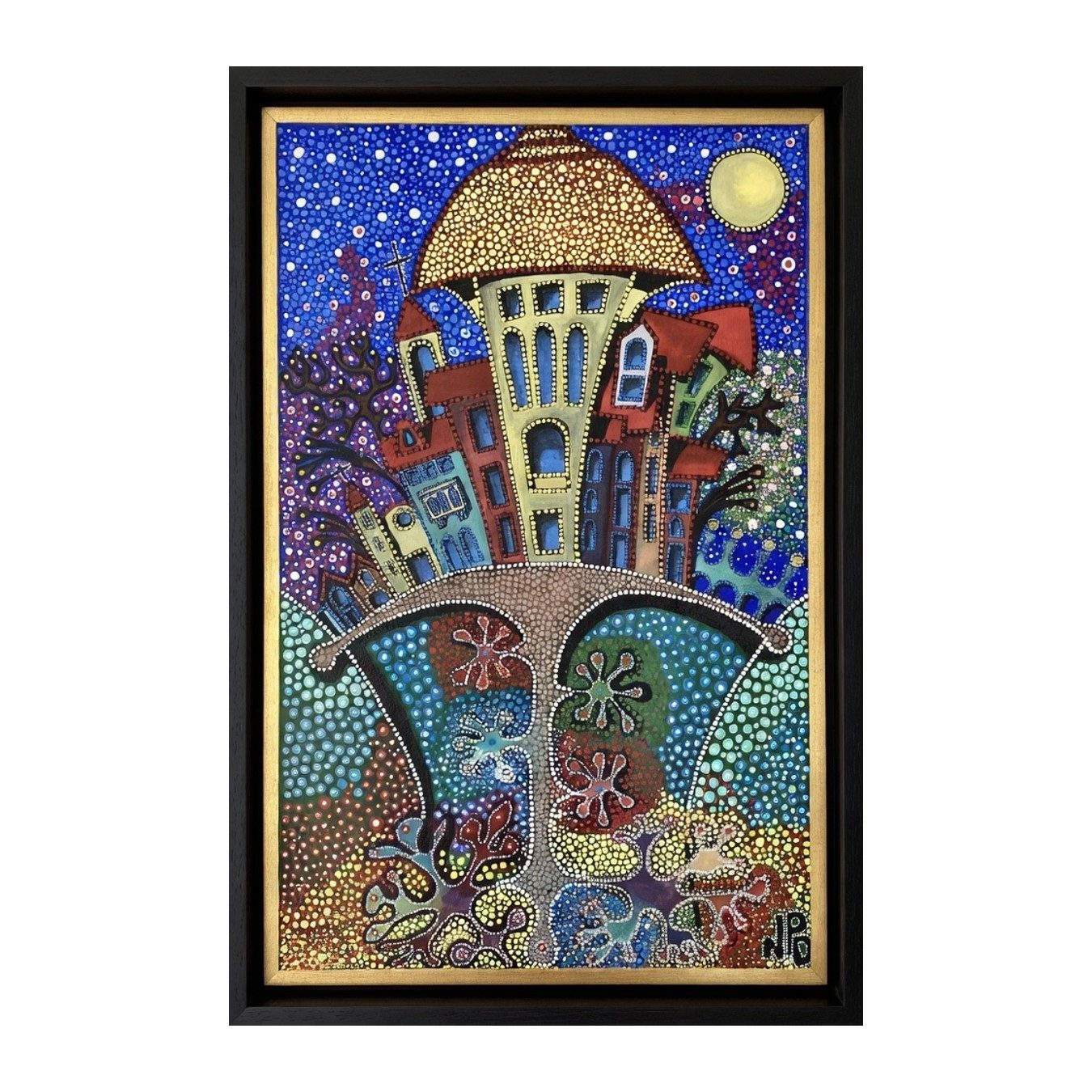
Adam, a Cruel Merchant
His eyes gleam with calculation—not wisdom. Draped in velvet and shadow, Adam is no biblical innocent, but a broker of desire and consequence. The silver at his fingertips is tarnished with regret; the ledger behind him whispers of lives weighed and traded. This portrait doesn’t ask for sympathy—it demands reckoning. A study in charm turned corrosive, where cruelty wears the mask of commerce.
Acrylic on canvas, 24" × 48"
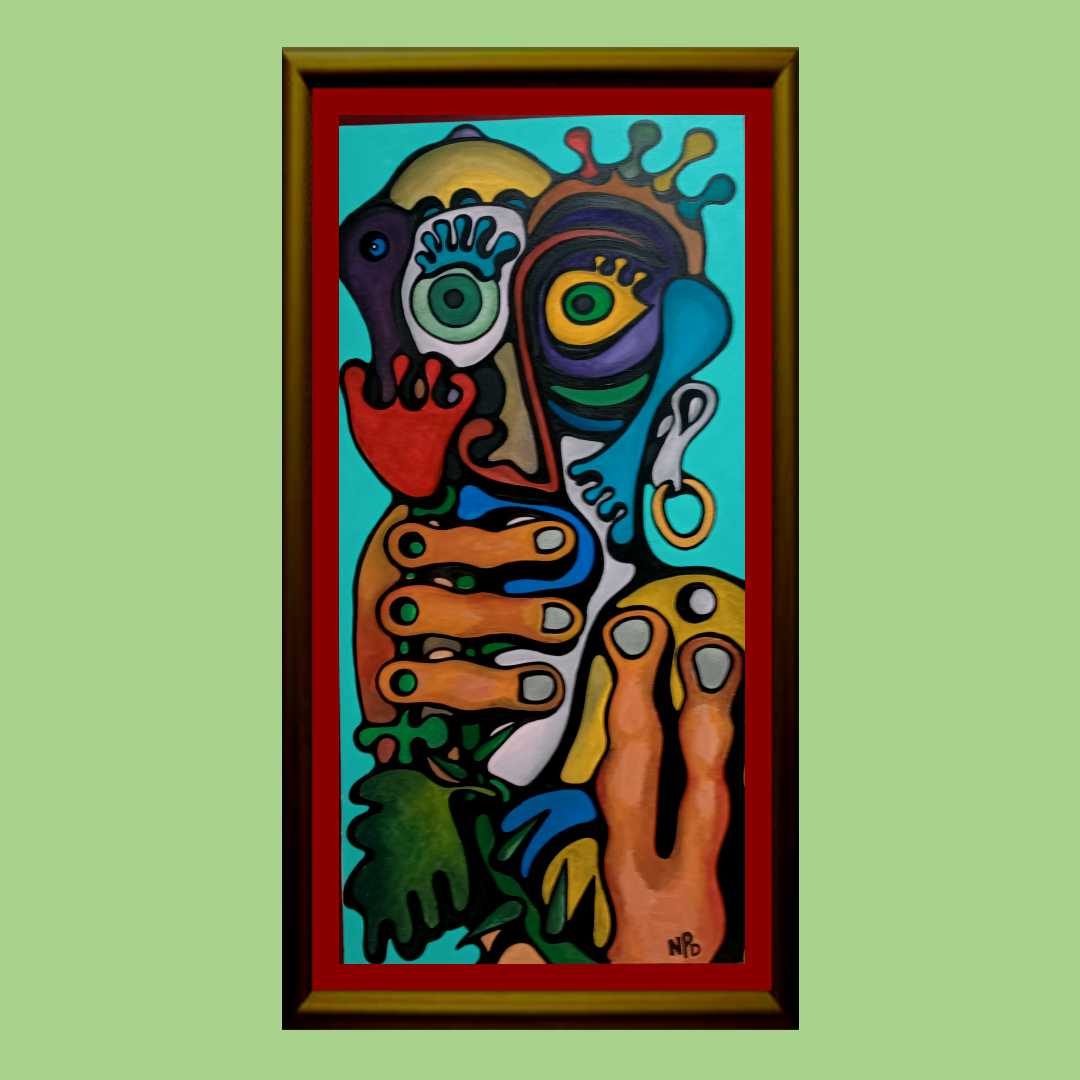
Eva’s Next Move
She doesn’t reach for the fruit—she rearranges the garden. In this portrait, Eva is no longer the tempted, but the strategist. Her gaze is sharp, her posture deliberate, as if the fall was never a mistake but a maneuver. The flowers around her bloom with quiet defiance, each petal a whisper of rebellion. This is not the beginning of sin—it’s the birth of agency.
Acrylic on canvas, 24" × 48"
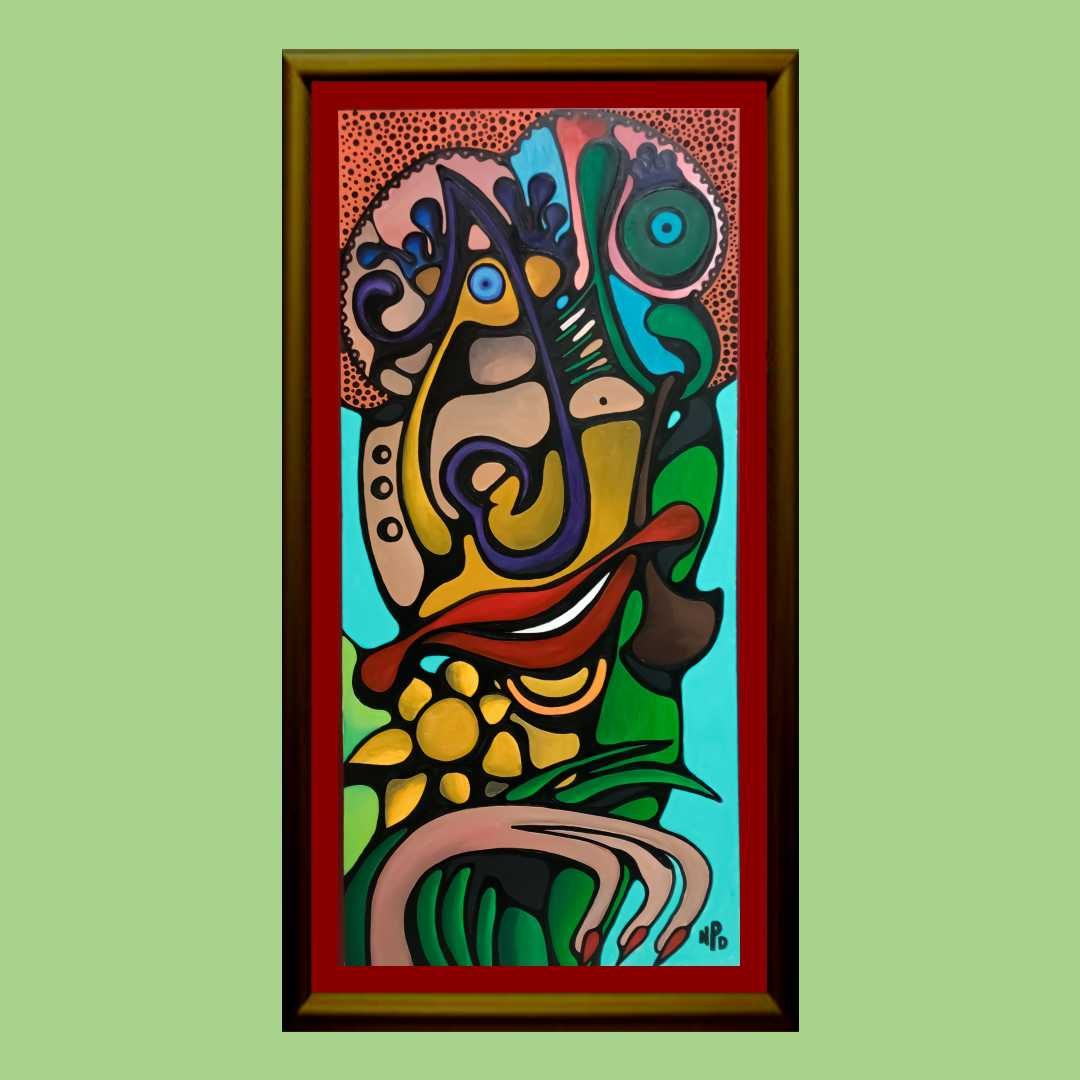
Camus’ Eyes
A gaze without plea, without apology—this portrait channels the disquieting clarity of Meursault, the antihero of The Stranger. Against the void of a black canvas, the figure’s eyes emerge not as windows to the soul, but as mirrors of the absurd: unblinking, unburdened, and untouched by the moral scaffolding of society.
The brushwork is restrained yet deliberate, echoing Meursault’s own emotional economy. Hints of sun-bleached Algerian light fracture across the surface, recalling the novel’s pivotal moment on the beach—where heat, glare, and silence converge into irreversible action. Here, the canvas becomes a philosophical terrain, where meaning is neither offered nor denied, only observed.
Acrylic on black canvas, 20 x 16 in.
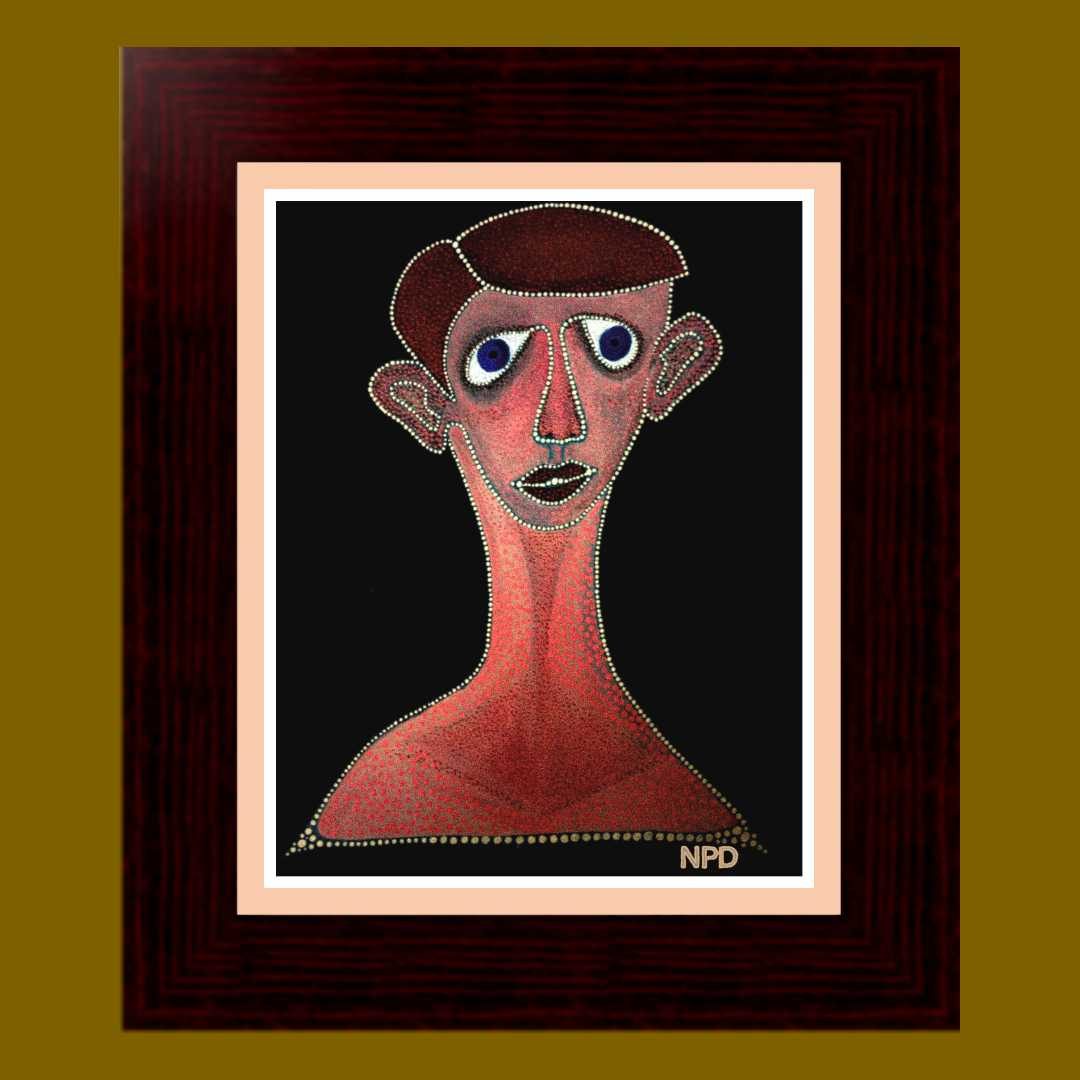
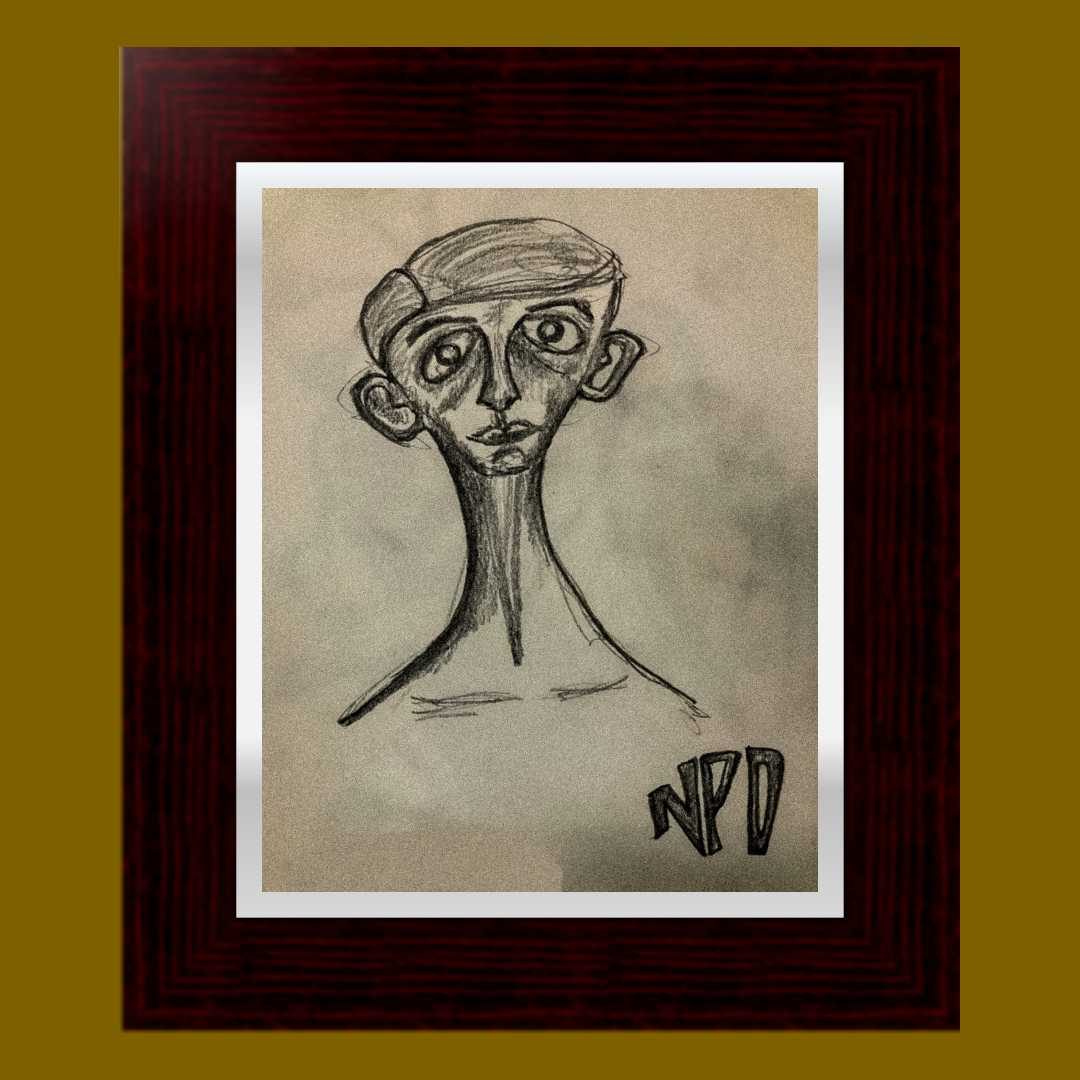
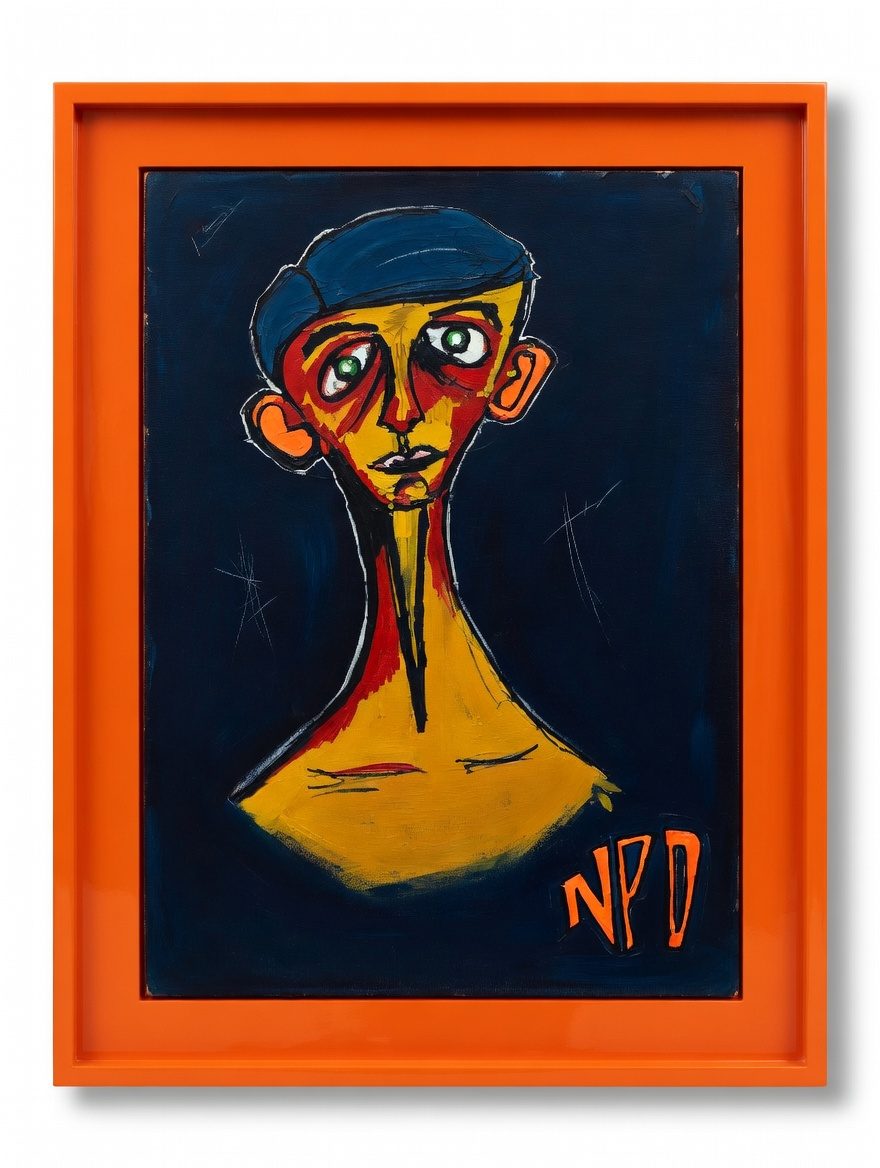
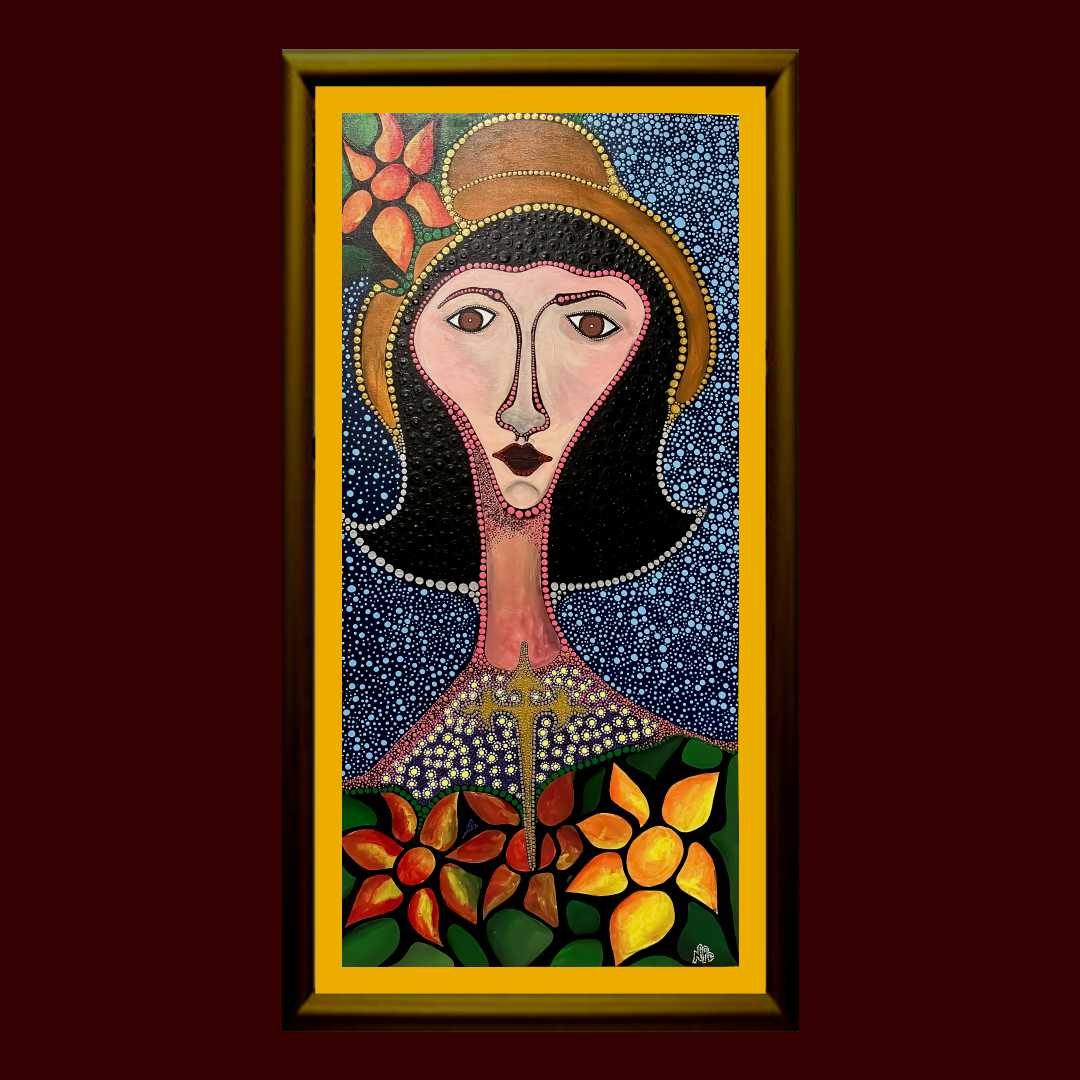
The Girl with Saint James Cross
A quiet defiance radiates from the figure at the center—her gaze steady, her posture poised between vulnerability and resolve. Draped across her chest, the crimson Saint James Cross, shaped like a sword and tipped with fleur-de-lis, evokes centuries of pilgrimage, martyrdom, and spiritual warfare. Once a badge of the Order of Santiago, it now becomes a personal emblem—marking her not as a warrior of conquest, but of inner transformation.
The background hums with muted tones, suggesting a landscape both sacred and scorched, as if she’s walked through myth and memory to arrive here. Her presence is not ornamental; it’s declarative. She carries the cross not as burden, but as inheritance—an echo of Saint James’ own journey through faith, sacrifice, and legend.
Acrylic on canvas, 24" × 48"
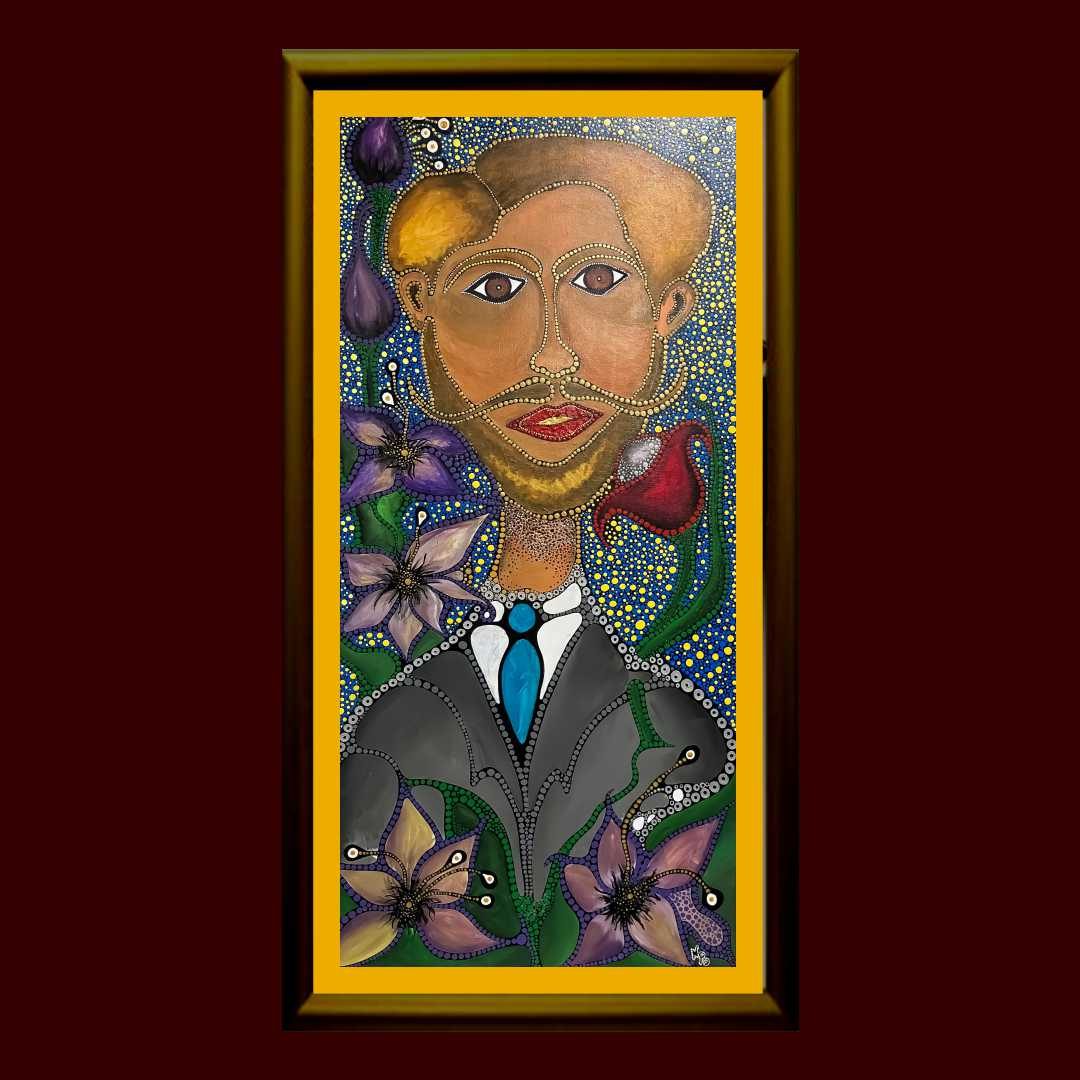
A Poet by Tampa Bay
His face is the canvas of quiet thought—eyes cast in soft reflection. Though Tampa Bay remains unseen, its spirit lingers in the palette: warm, humid light and blooms that seem to breathe with the rhythm of subtropical air. The flowers encircle him not as decoration, but as chorus—each petal a stanza, each stem a line of verse.
There is no pen, no page—only presence. The poet exists in the pause before language, in the hush where meaning begins to form. His expression is neither melancholic nor jubilant, but suspended—like a line of poetry waiting to be read aloud.
This portrait invites to consider the unseen: the place that shaped him, the words he has not yet spoken, and the quiet bloom of thought beneath the surface.
Acrylic on canvas, 24" × 48"
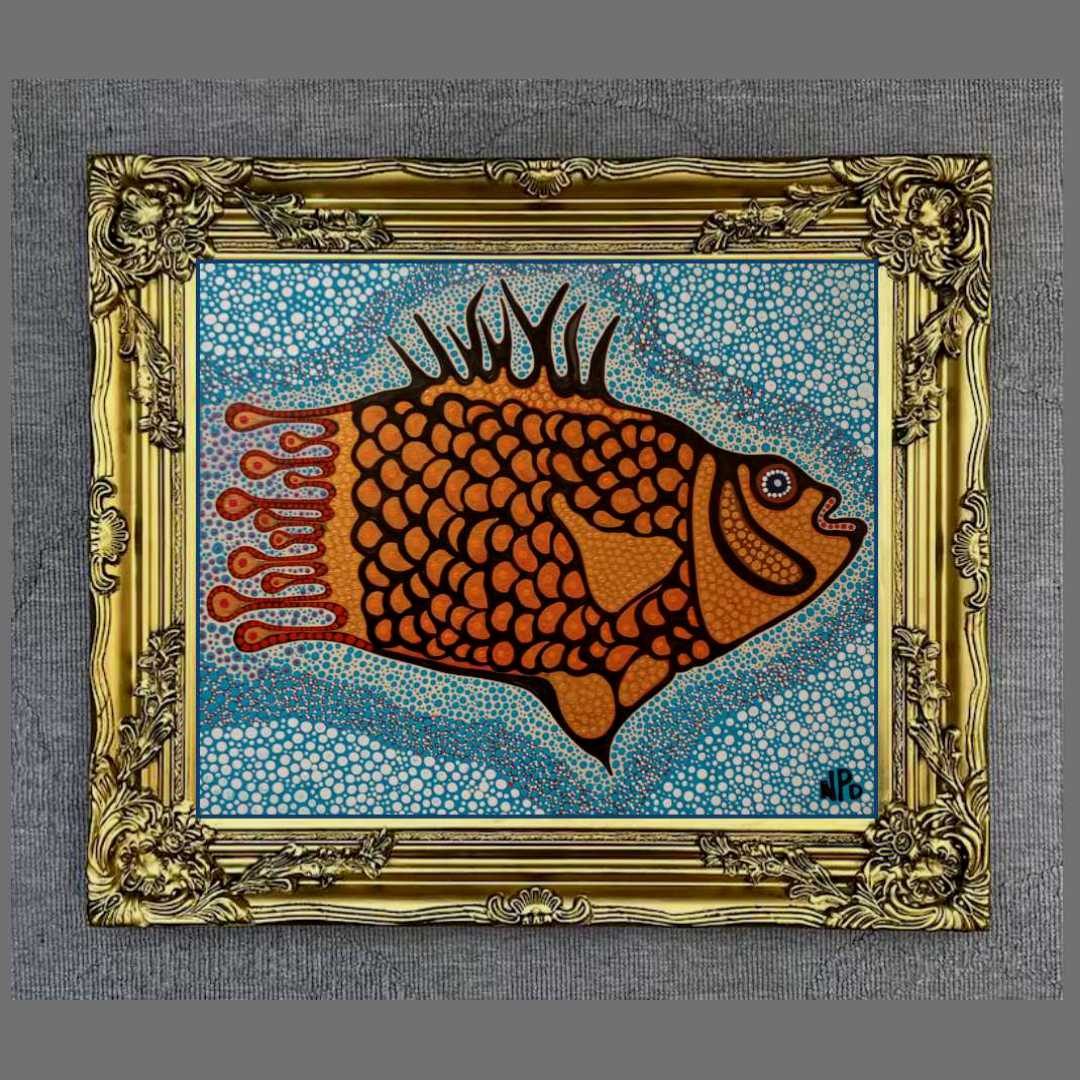
Golden fish
Inspired by an Armenian fairy tale, this piece echoes a story of vision, mercy, and transformation. As an aging king loses his sight, a traveler reveals that only an ointment made from the blood of a golden-headed fish can restore it. The prince, tasked with the search, finds the fish on the final day of a hundred-day quest. Yet instead of claiming its life, he chooses compassion—releasing the fish, unaware it is a prince in disguise. That single act of mercy alters his fate, and in time, he becomes king.
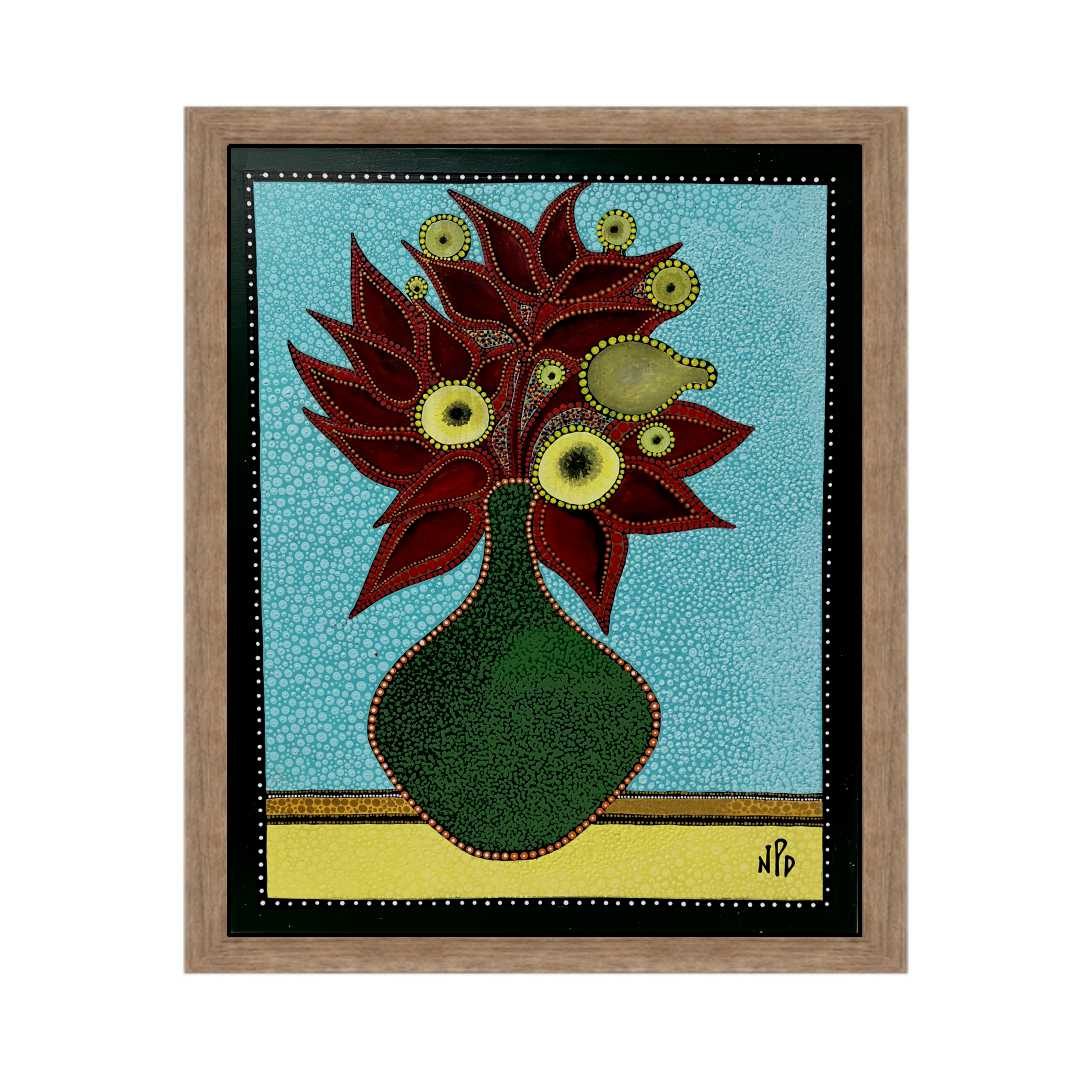
Red Dream in a Green Vase
An Atrium vase rests quietly against a serene sky-blue wall, evoking stillness and domestic grace.
Original acrylic painting, 24 x 30 inches
Gallery Price: $ 1,500.00
This piece is currently part of the exhibition at: www.stephanfinearts.com
From above
From above, a city lies in ruin, its buildings shattered—yet the spirit of renewal pulses through the wreckage, echoing Pablo Neruda’s defiant words: “They can cut all the flowers, but they cannot keep spring from coming.
Acrylic on canvas, 24 x 30 inches
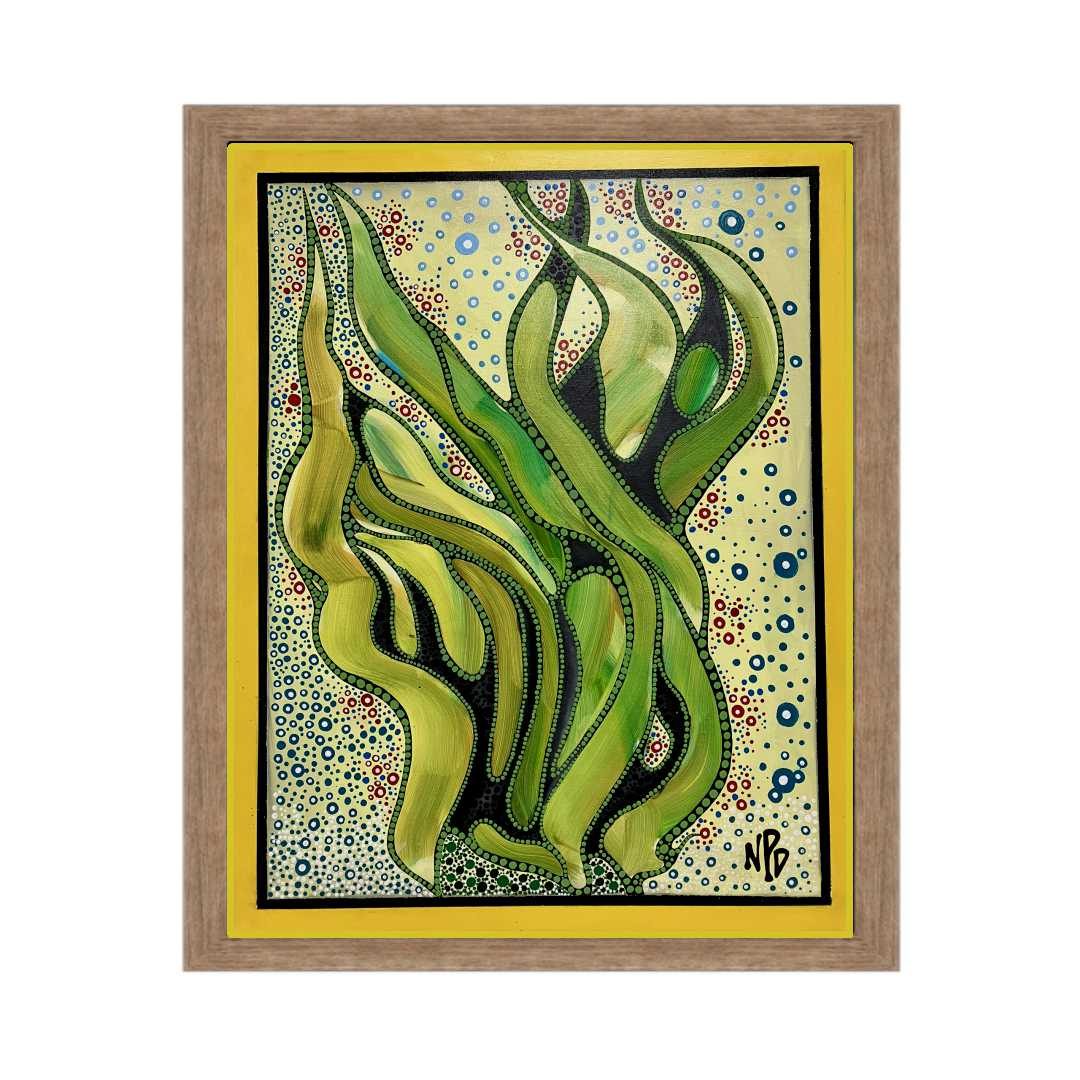
The Mother Tongue Plant
With its sharp, tongue-like leaves, the Mother Tongue Plant carries a legacy far deeper than its striking form. Originating in West Africa, its strong fibers once served tribes in crafting bowstrings—an enduring symbol of resilience and strength. Across centuries and continents, its meanings have traveled, finding new life in homes and spiritual traditions.
Acrylic on canvas, 24 x 30 inches
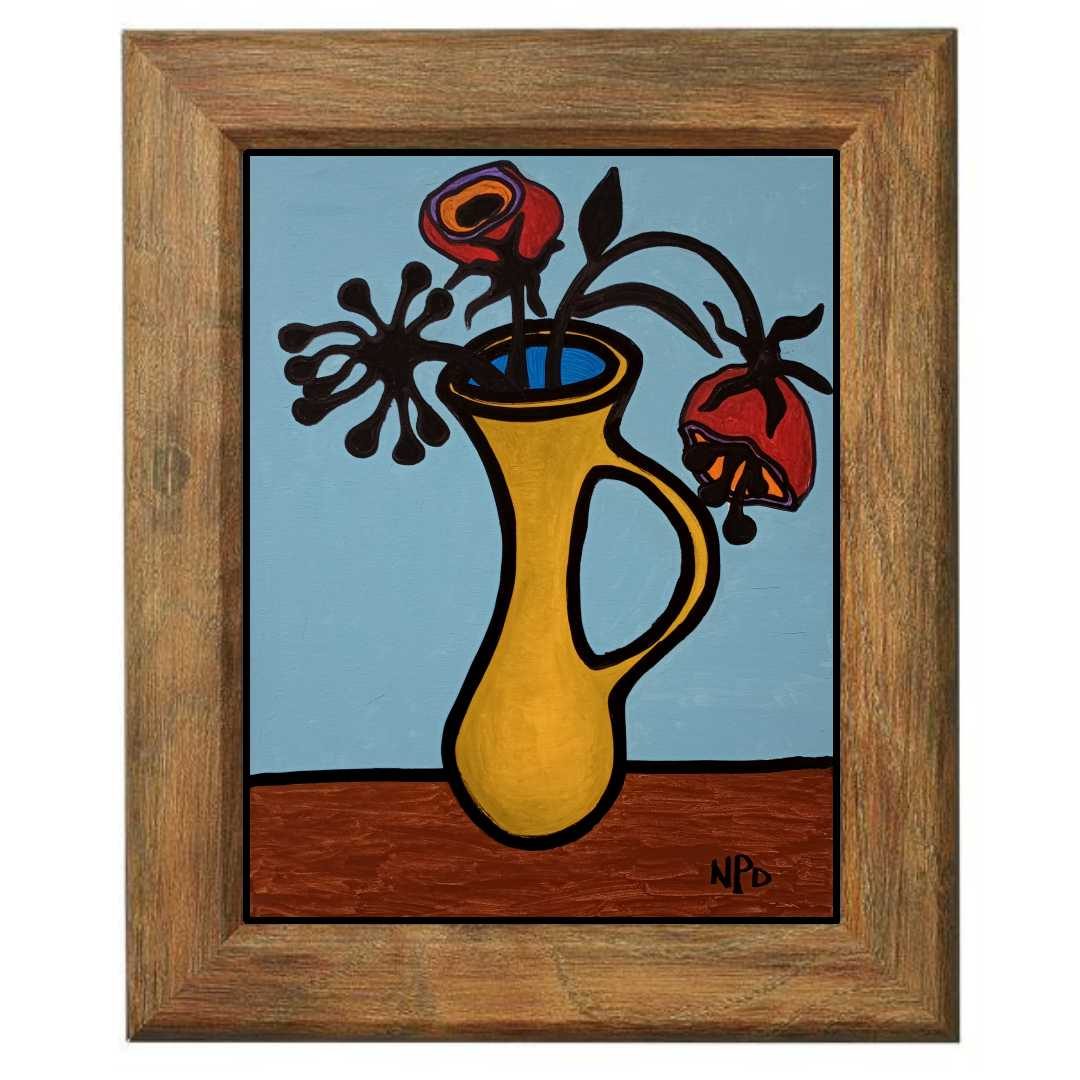
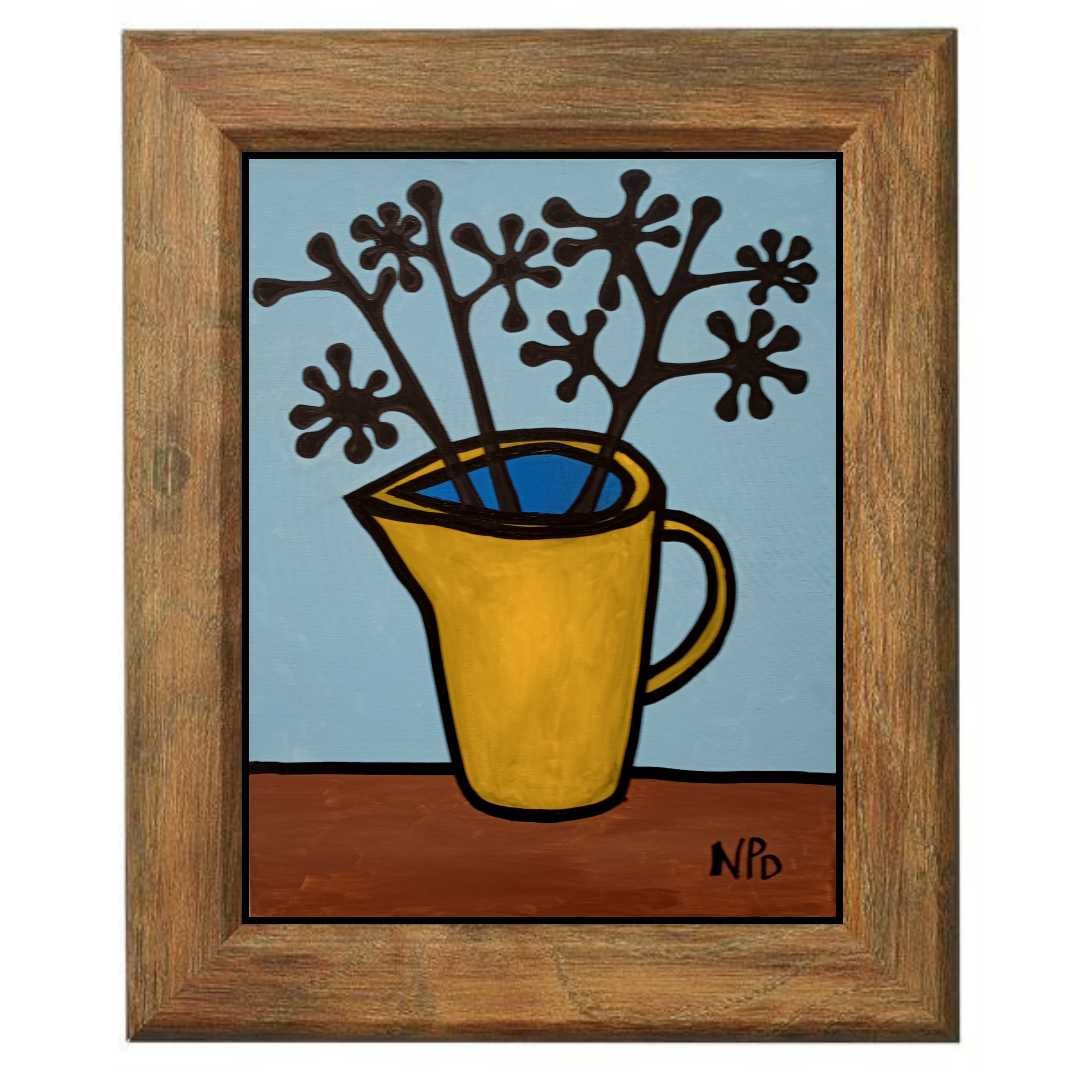
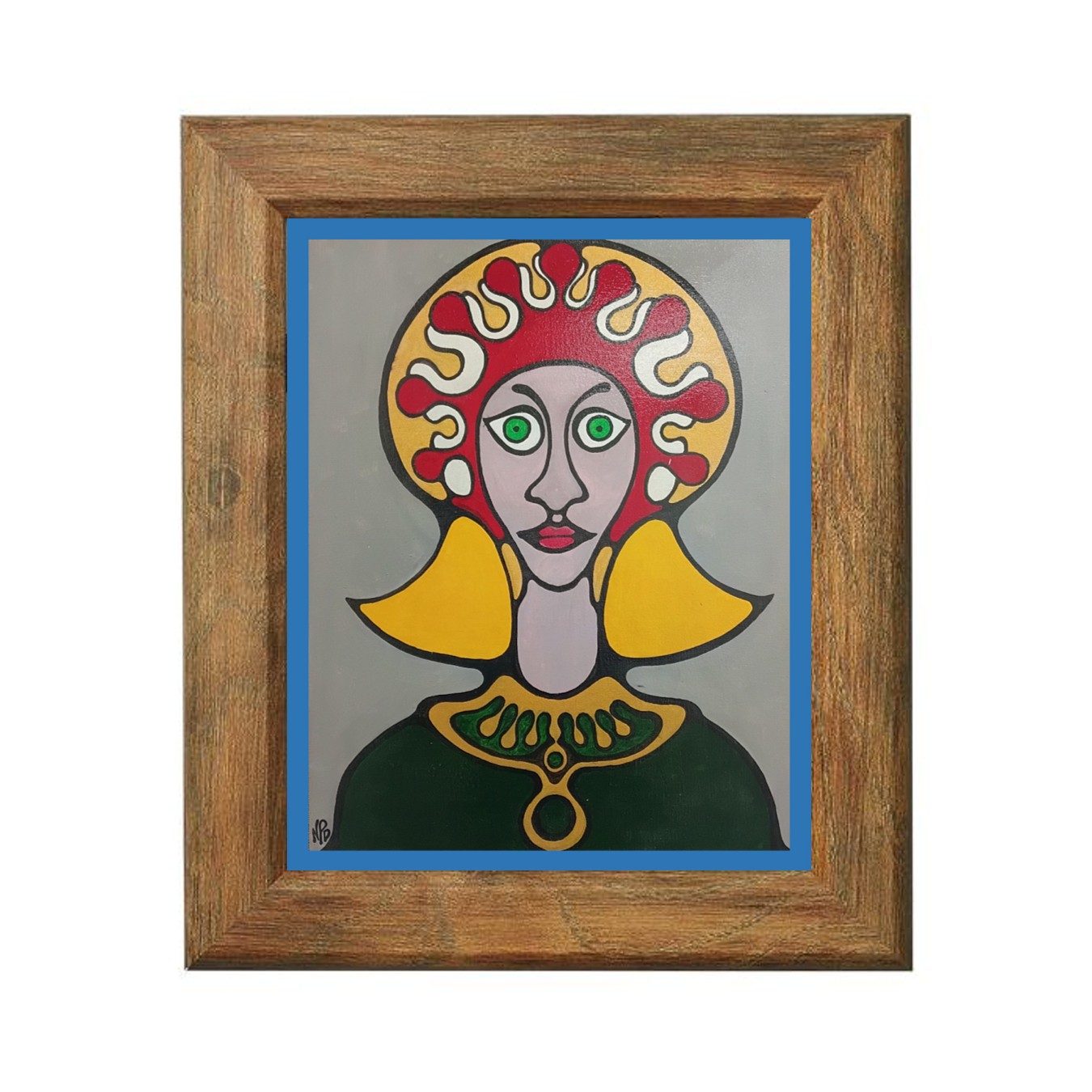
Anna Karenina
.. Anna Karenina: A Fragmented Vision of Charisma and Despair
This evocative acrylic portrait reimagines Anna Karenina as a fractured, almost surreal figure—assembled like a patchwork or a “Frankenstein girlfriend,” a creation born from layered and overlapping imagination. Rendered in a minimalistic, contrasting color palette, the painting captures the complex duality of Tolstoy’s iconic heroine: her radiant charm and the shadow of terror lurking beneath.
Tolstoy’s Anna is described as stunningly beautiful, with thick lashes, shining gray eyes, and a delicate, almost imperceptible downy mustache. Her slender, graceful form and animated, smiling face make her the brilliant center of society, a woman whose charisma is both magnetic and enigmatic. Vronsky’s first impression of her—“he saw her, as one does the sun, without looking”—speaks to her unique, almost otherworldly presence.
Yet beneath this luminous exterior lies a “surplus of something,” an unconscious essence that defines her individual charm but also foreshadows her tragic descent. The painting’s eyes, wide with terror, and the schematic crown of fire symbolize this inner turmoil—her intense charisma shadowed by despair and fragmentation.
This artwork invites viewers to reflect on Anna Karenina not just as a figure of beauty and social brilliance, but as a deeply human, conflicted soul—an imaginative construct torn between light and darkness, love and destruction, reality and fantasy.
Acrylic on canvas, 24 x 30 inches
(This canvas is part of the series: Two Women Named Anna.)
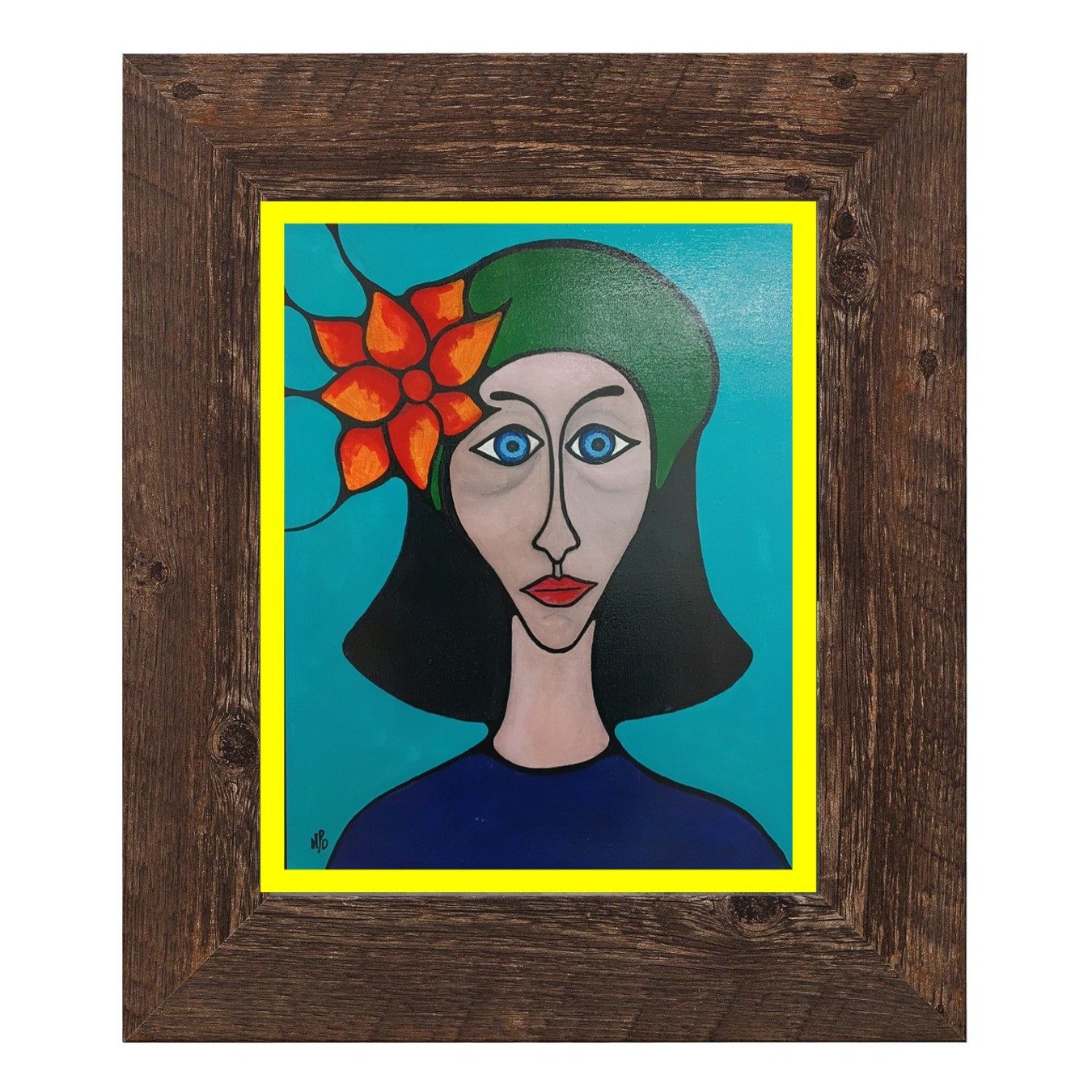
Anna Komnene
.. Anna Komnene: The First Woman Poet and Historian
This 24x36 inch acrylic on canvas portrait captures the enigmatic face of Anna Komnene, rendered in a minimalistic yet powerful contrast of expression. A choice to depict her with a green boina-like head covering and a solitary sunflower at her side evokes both, her intellectual depth, and the complex legacy she left behind.
Anna Komnene (1083–1153) stands as a pioneering figure in history, widely regarded as the first woman poet and historian of the Byzantine Empire. Her seminal work, the Alexiad, is a detailed and vivid chronicle of her father Emperor Alexios I Komnenos’s reign, blending personal insight with political narrative. Through her writing, Anna not only preserved the history of her time but also asserted a female voice in a predominantly male literary tradition, marking a groundbreaking moment for women in literature and historiography.
Yet, Anna’s life was marked by controversy and tragedy. Accused of plotting to murder her brother John II Komnenos to secure the throne, she was ultimately confined to a convent. This accusation reflects the turbulent and often dangerous nature of Byzantine court politics, where power struggles were fierce and familial bonds fragile. The painting’s stark contrasts mirror this duality—her brilliance and her fall, her public legacy and private suffering.
The green boina-like covering symbolizes her noble status and intellectual authority, while the lone sunflower represents resilience and hope amid isolation. Together, these elements invite viewers to contemplate Anna Komnene’s enduring influence as a woman who transcended the constraints of her era to leave an indelible mark on history and literature.
(This canvas is part of the series: Two Women Named Anna.)
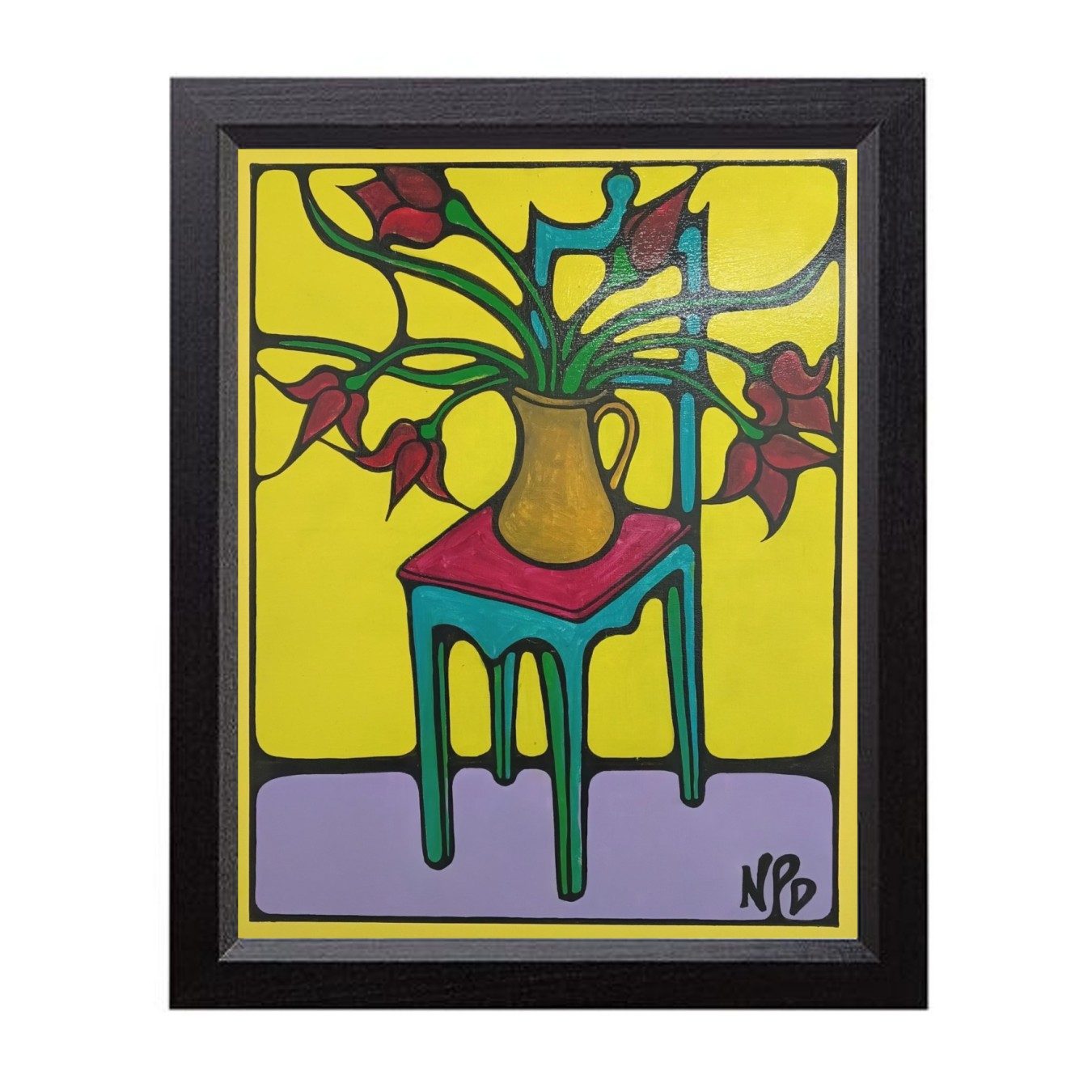
La Silla
... La Silla. Acrylic on Canvas, 24×30 in
Inspired by Ludwig Mies van der Rohe’s famous reflection—“A chair is a very difficult object. A skyscraper is almost easier. That is why Chippendale is famous.” His words point to the surprising complexity of design at the human scale, where simplicity demands mastery.
This painting, with its vase of tulips, echoes that architectonic spirit. Through the interplay of color, structure, and form, the composition suggests a quiet ambition—an architectural intention expressed through everyday objects. The contrast of shapes and tones creates a sense of balance and precision, as if the still life itself were built rather than painted.
A study in design, restraint, and the beauty of deliberate construction.
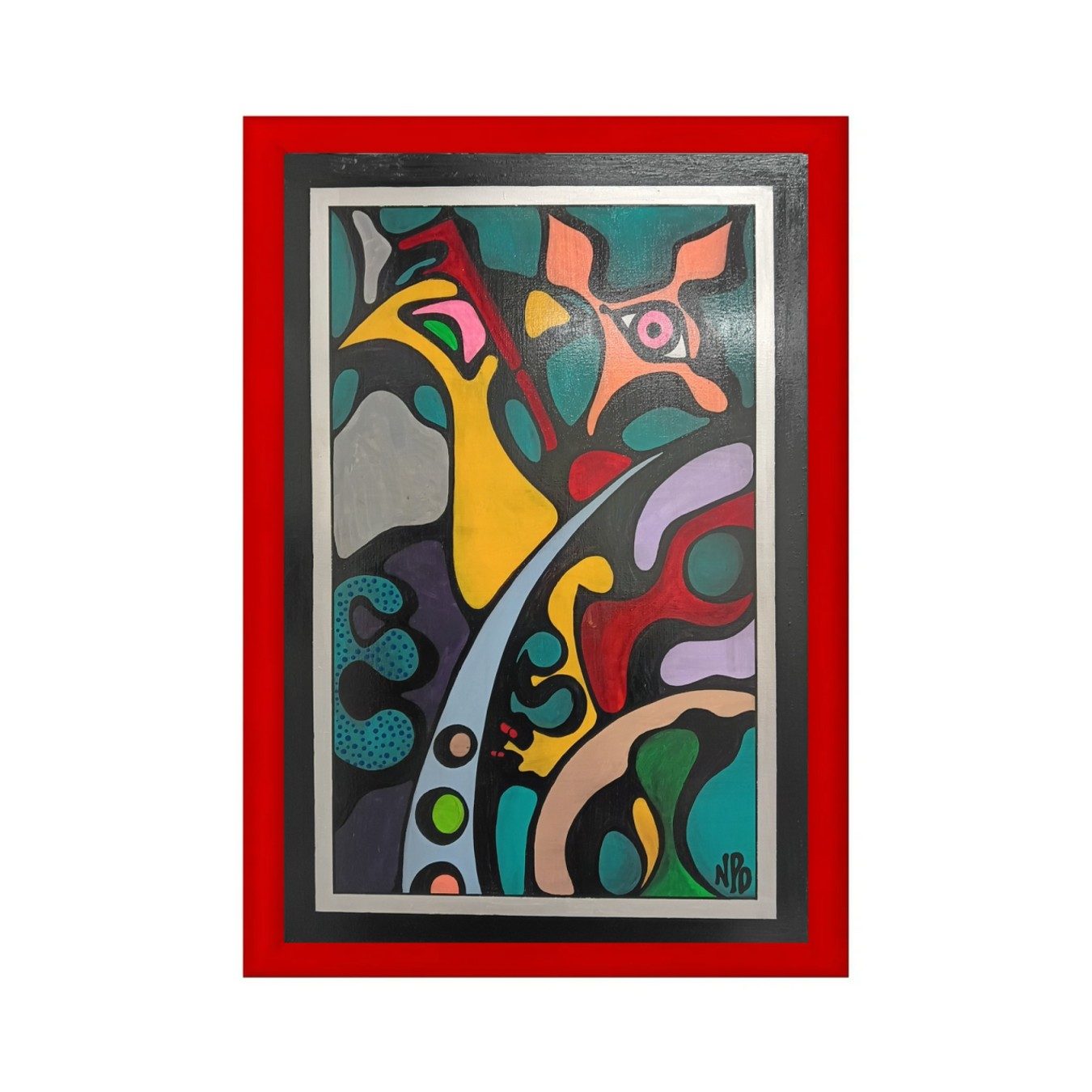
Hawks on the Cliffs
... Hawks on the Cliffs
Abstract Acrylic on Canvas, 24×36 inches
This piece, Hawks on the Cliffs, draws its inspiration from J. M. Coetzee’s seminal novel Disgrace, a powerful exploration of human frailty, redemption, and the complex socio-political landscape of post-apartheid South Africa. It employs abstraction and bold contrasting colors to evoke the emotional and thematic tensions that permeate the novel.
At the heart of the composition are two hawks perched on rugged cliffs—symbols of both predation and survival, freedom and entrapment. These birds, rendered in sharp, contrasting hues, embody the dualities present in Coetzee’s narrative: the clash between power and vulnerability, the collision of past and present, and the fragile balance between dominance and submission.
The cliffs themselves, suggest the harsh and unforgiving terrain of the South African landscape, mirroring the internal and external struggles faced by the novel’s characters. The jagged edges and vibrant color contrasts create a visual tension that resonates with the novel’s exploration of moral ambiguity and the search for grace amidst disgrace.
The use of abstraction invites viewers to engage with the piece on a deeply personal level, encouraging reflection on themes of isolation, resilience, and transformation. The hawks, while majestic, are also solitary figures—mirroring the loneliness and complexity of human experience portrayed in Disgrace.
This work not only pays homage to Coetzee’s literary masterpiece but also challenges the audience to confront the layered realities of identity, power, and redemption. Hawks on the Cliffs is a vivid, evocative meditation on the human condition, rendered in color and form that both confront and captivate.
The Golden Line
Step into a world where contemporary artistry meets the meticulous charm of pointillism in The Golden Line. This captivating piece features a modern vase, rendered with delicate precision through countless tiny dots that breathe life into its form. Two vibrant red flowers emerge from the vase, their bold color and organic shapes contrasting beautifully with the structured technique of pointillism.
The composition is anchored by a striking golden line that divides the canvas, serving as a boundary between the textured background wall and the smooth floor beneath. This shimmering line is more than a mere separator; it symbolizes the intersection of space and perception, grounding the vase in a tangible yet abstract environment.
Medium: Acrylic on canvas
Dimensions: 24 x 36 inches
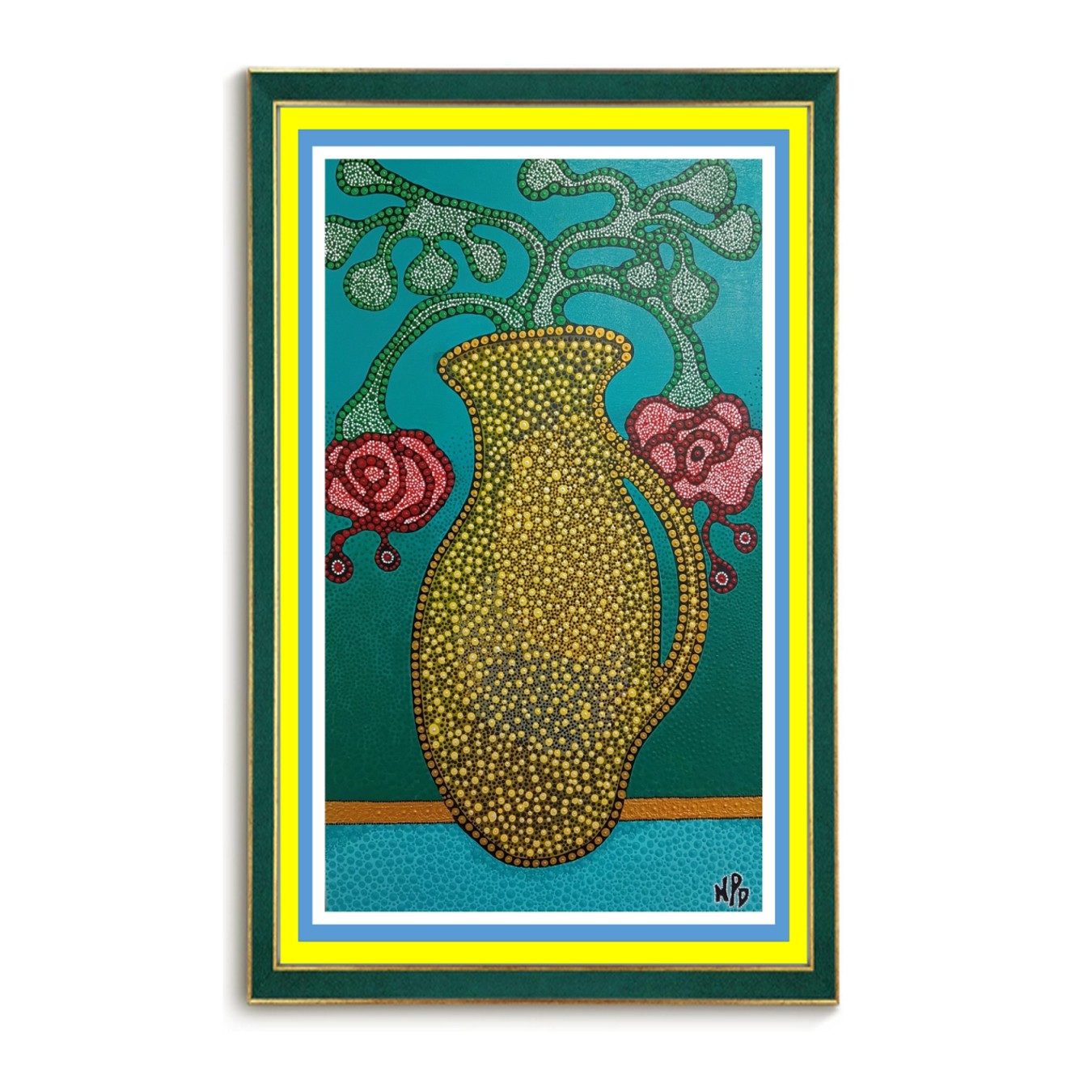
Jarrón Gallego
Jarrón Gallego — a Galician pottery vessel with flowers, rendered in textured acrylic on canvas. A study of form, craft, and color expressed through layered dots and tactile surfaces.
Acrylic on Canvas, 24×30 in
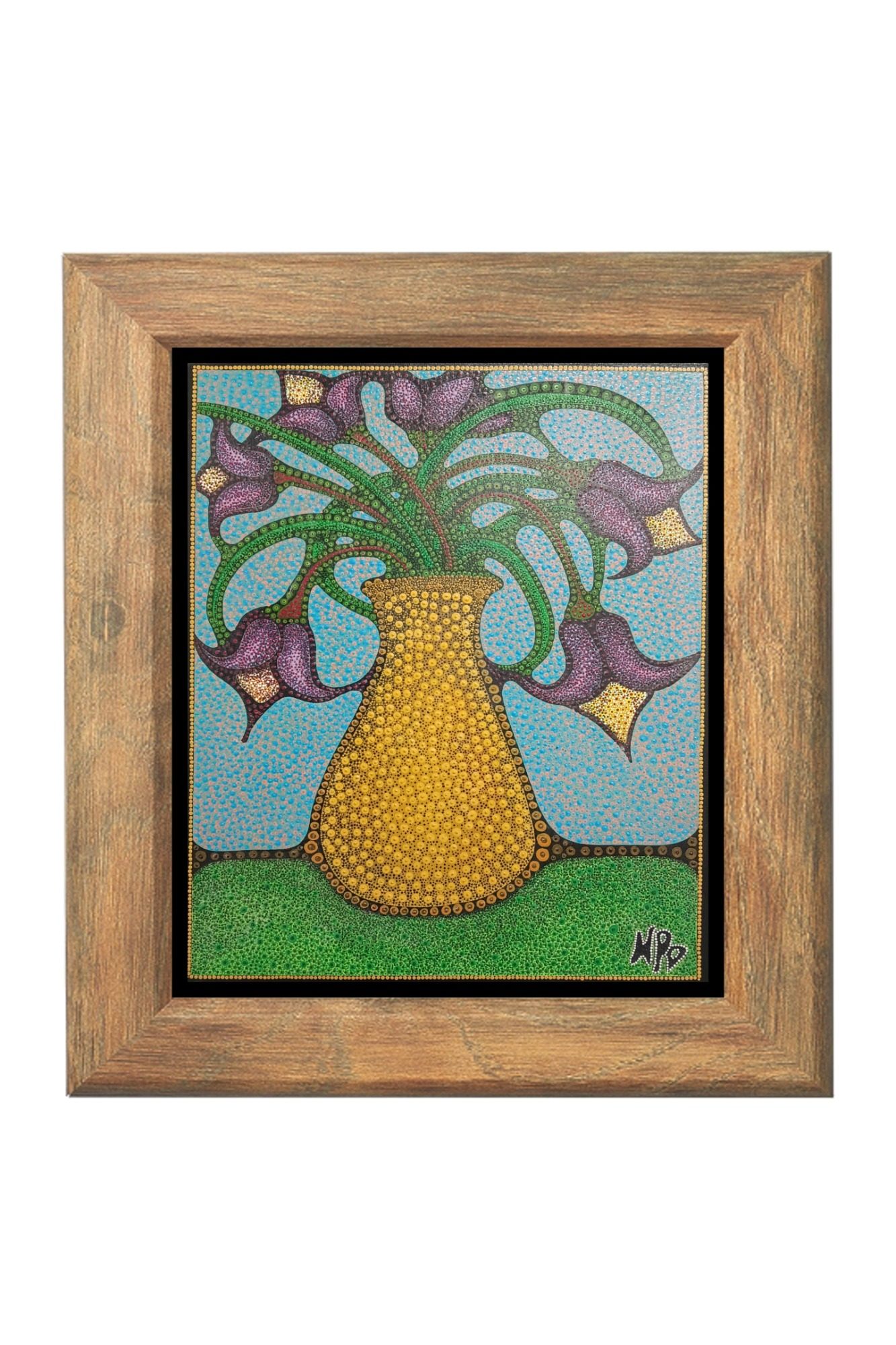
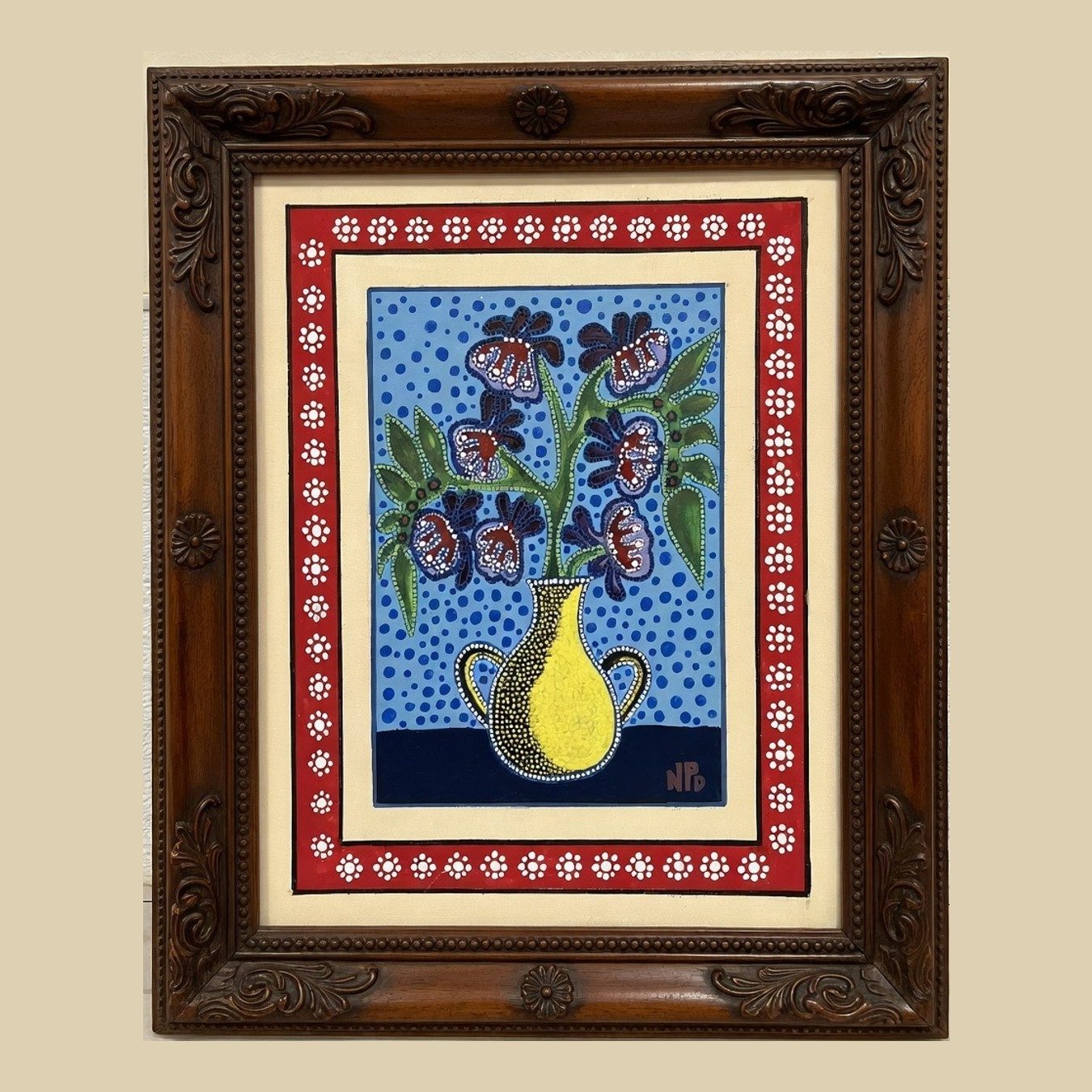
The Lady of the Night
This evocative image draws inspiration from José Donoso’s surreal masterpiece, The Obscene Bird of Night, where decay and claustrophobia intertwine within a haunting, confined world. The Lady of the Night embodies the corruption of power and the fragile nature of identity, echoing the grotesque unraveling of aristocratic grandeur.
Central to this narrative is the folklore figure of the imbunche—a creature whose orifices are sewn shut—symbolizing silence, imprisonment, and the distortion of self. Through this lens, the Lady of the Night becomes a spectral guardian of secrets, trapped within the shadows of a decaying realm, where beauty and horror merge into a chilling testament to the inevitable decline of power and the haunting persistence of the grotesque.
(Tres: A Journey into Isolation
Tres—comprising Jardín, The Lady of the Night, and A Gram of Thought—is a series of acrylic paintings on 18×24 sheets of recycled brown kraft cardstock. Each work immerses the viewer in the raw, complex emotions of isolation: loneliness, solitude, and alienation.)
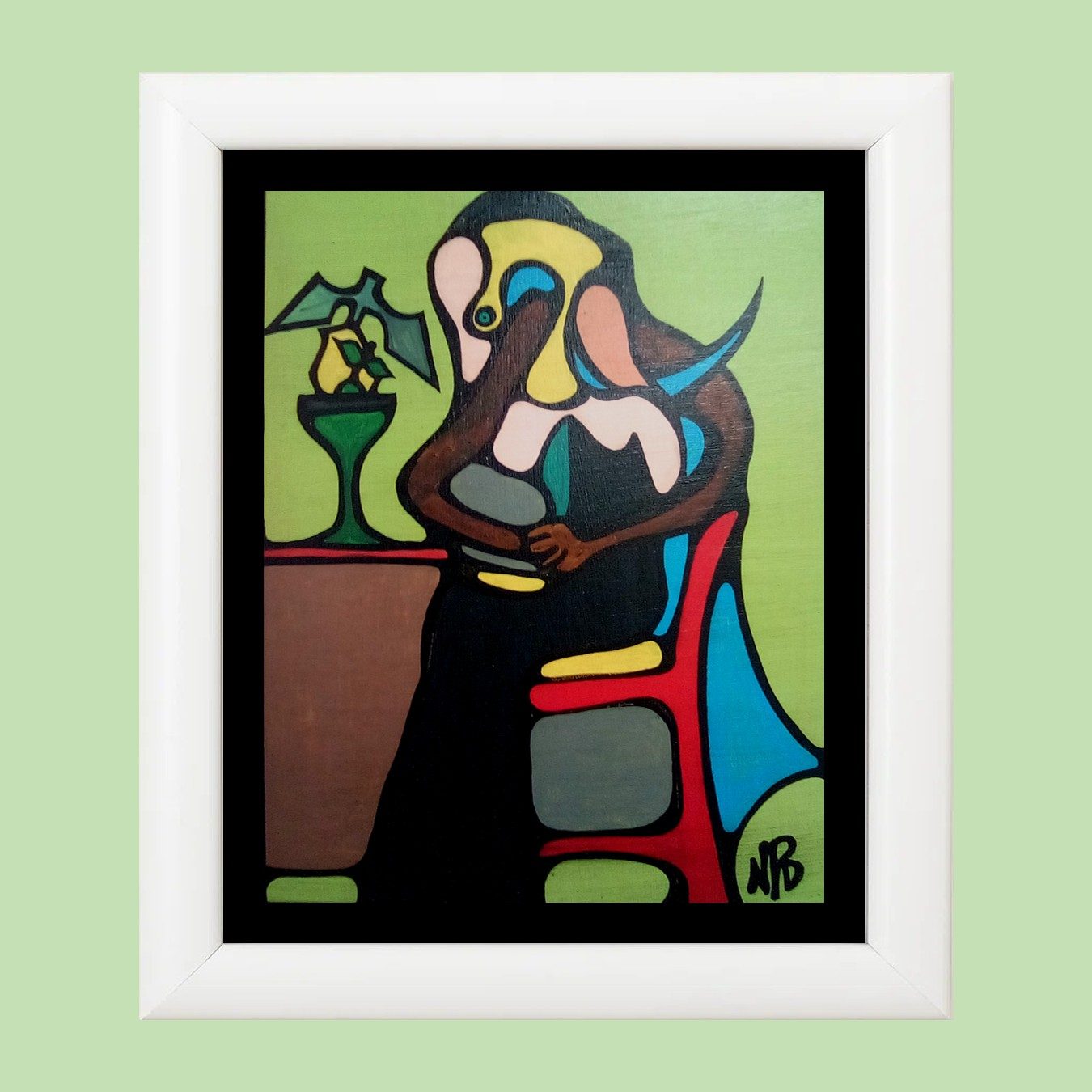
Jardín
Inspired by "Jardín" a novel by Dulce María Loynaz
In the heart of an overgrown, decaying mansion garden, Bárbara finds refuge—a sanctuary suspended between time and memory. This garden, lush yet wild, is both a haven and a cage, embodying the fragile beauty and quiet decay of Cuba itself. Here, nature and civilization entwine in a delicate tension, mirroring Bárbara’s own internal exile.
"Jardin" invites you into a lyrical world where traditional narrative gives way to atmosphere and emotion. Through Bárbara’s solitary journey, while explore the female experience shaped by solitude, memory, and the passage of time. Her encounter with a mysterious sailor opens a doorway to another reality, a fleeting escape from isolation, before she returns to the garden’s embrace—forever changed, yet bound to this timeless space.
This piece captures the essence of a place where beauty and decay coexist, where the past lingers in every shadow, and where the soul seeks both freedom and belonging. It is a meditation on solitude, transformation, and the enduring power of memory.
(Tres: A Journey into Isolation
Tres—comprising Jardín, The Lady of the Night, and A Gram of Thought—is a series of acrylic paintings on 18×20 sheets of recycled brown kraft cardstock. Each work immerses the viewer in the raw, complex emotions of isolation: loneliness, solitude, and alienation.)
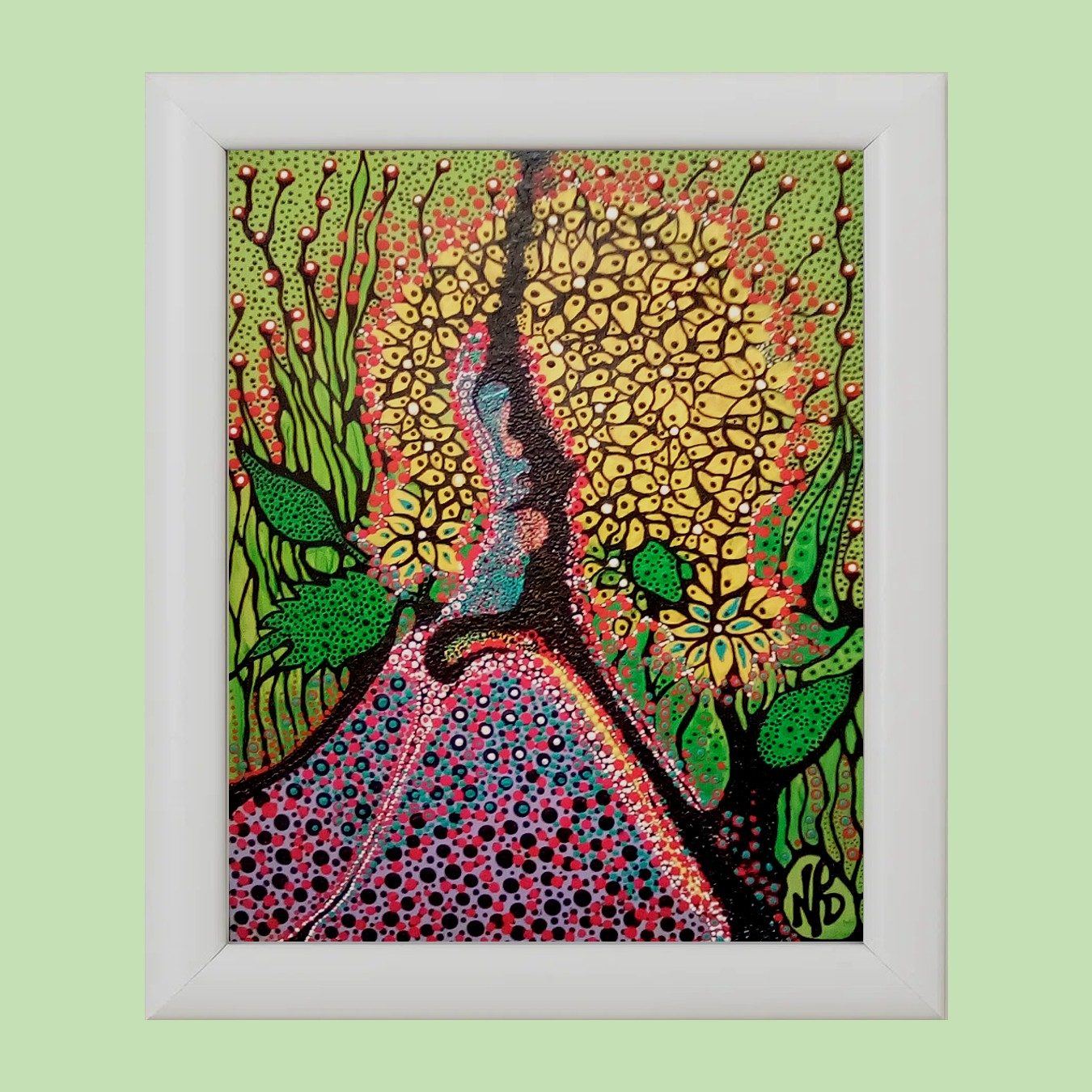
A Gram of Thought
IInspired by: Pedro Páramo by Juan Rulfo
In A Gram of Thought, channels the haunting essence of Juan Rulfo’s Pedro Páramo, a literary masterpiece that delves deep into the realms of memory, decay, and the ethereal spirit of place. This work invites viewers into a dreamlike landscape where the boundaries between reality and memory dissolve, evoking the poetic and spectral atmosphere that defines Rulfo’s narrative.
The image captures a fragment—a mere gram—of the intangible weight of thought, memory, and presence. Like the ghostly town of Comala in Pedro Páramo, where the past lingers palpably in the air and the living converse with the dead, this piece embodies the tension between what remains and what fades. It is a meditation on the persistence of memory amid inevitable decay, a visual echo of the novel’s exploration of how places are haunted by the lives and stories once lived within them.
The composition’s textures and muted tones evoke a sense of erosion and time’s slow unraveling, mirroring the novel’s themes of desolation and spiritual residue. The viewer is invited to contemplate the weight of a single thought—how it can carry the gravity of an entire existence, how memory can crystallize into something almost tangible, yet elusive.
A Gram of Thought is not just an image; it is a portal into a liminal space where the past breathes quietly beneath the surface of the present. It challenges us to consider the fragility of human experience and the haunting beauty found in the spaces between life and death, presence and absence, memory and oblivion.
(Tres: A Journey into Isolation
Tres—comprising Jardín, The Lady of the Night, and A Gram of Thought—is a series of acrylic paintings on 18×24 sheets of recycled brown kraft cardstock. Each work immerses the viewer in the raw, complex emotions of isolation: loneliness, solitude, and alienation.)
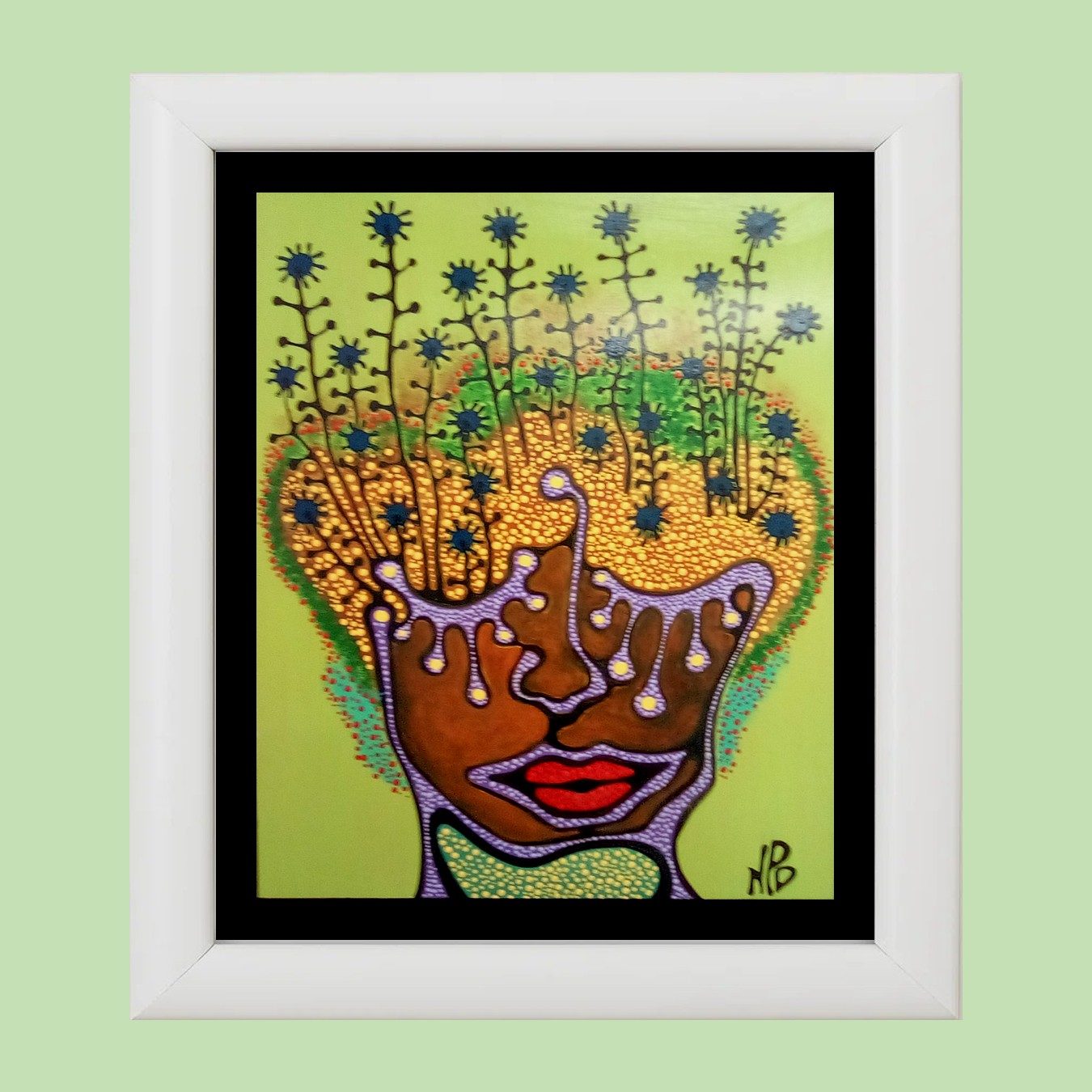
Mambo Number 5
Abstract Canvas Inspired by "Mambo Number 5" (1949)
This abstract canvas draws inspiration from the iconic instrumental mambo and jazz dance composition "Mambo Number 5," originally composed and recorded by Cuban musician Dámaso Pérez Prado in 1949. The piece captures the essence of a woman immersed in music, depicted through the stylized form of a figure playing a stringed instrument reminiscent of a guitar.
The artwork’s bold use of highly contrasting colors—fiery reds, bright yellows, and stark black lines and dots—echoes the dynamic energy and rhythmic intensity of Pérez Prado’s mambo. These colors not only evoke the passion and vibrancy of Latin music but also create a visual rhythm that mirrors the syncopated beats and lively brass sections characteristic of the original composition.
Through abstract shapes and expressive contrasts, the canvas celebrates the cultural and musical legacy of mambo as a genre that blends Cuban roots with jazz influences, inviting viewers to experience the movement, sound, and spirit of a transformative era in music history. This piece is both a homage to Pérez Prado’s groundbreaking work and a visual dance of color and form that resonates with the timeless joy of mambo.
Acrylic on canvas, 12 x 16 inches
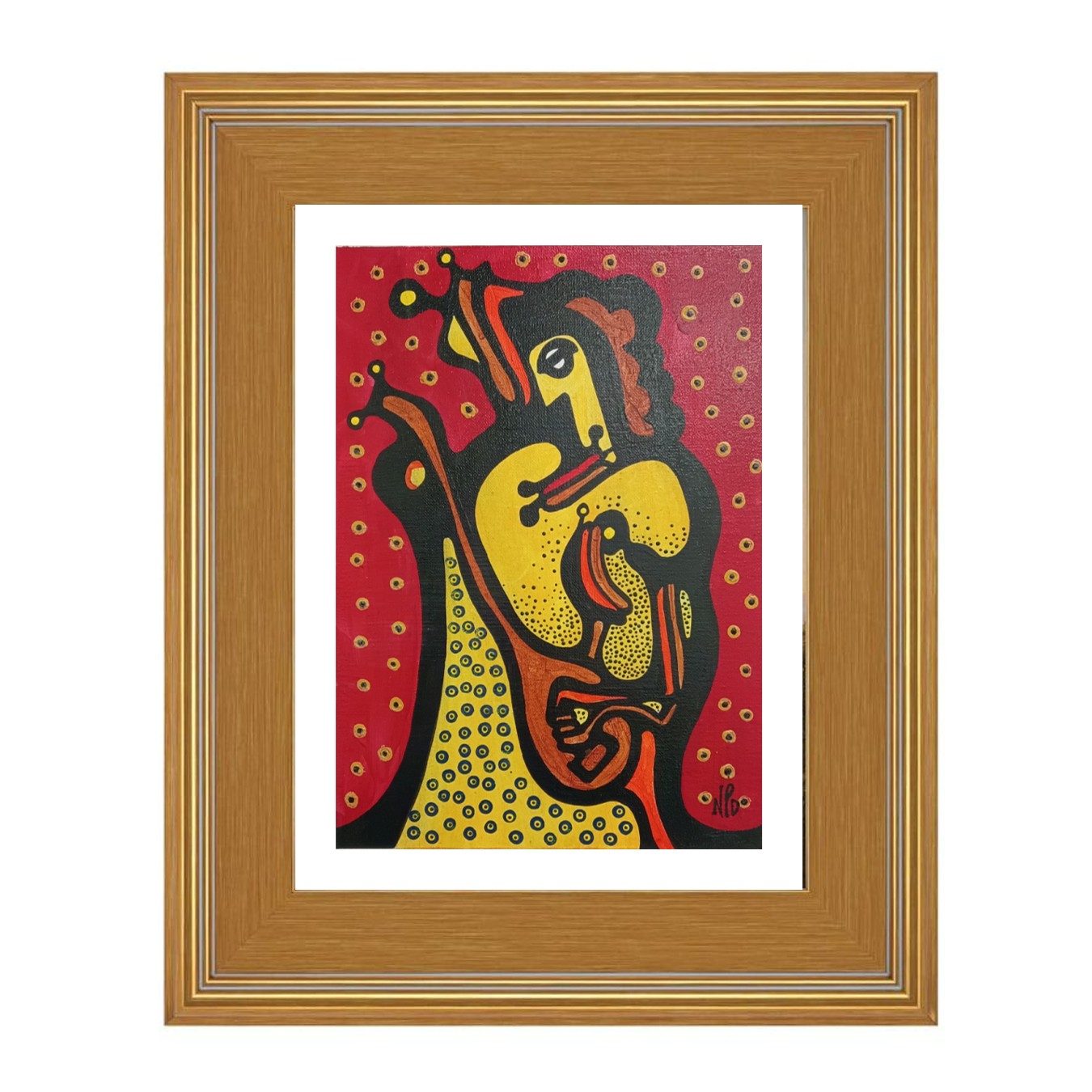
Ele Gallo
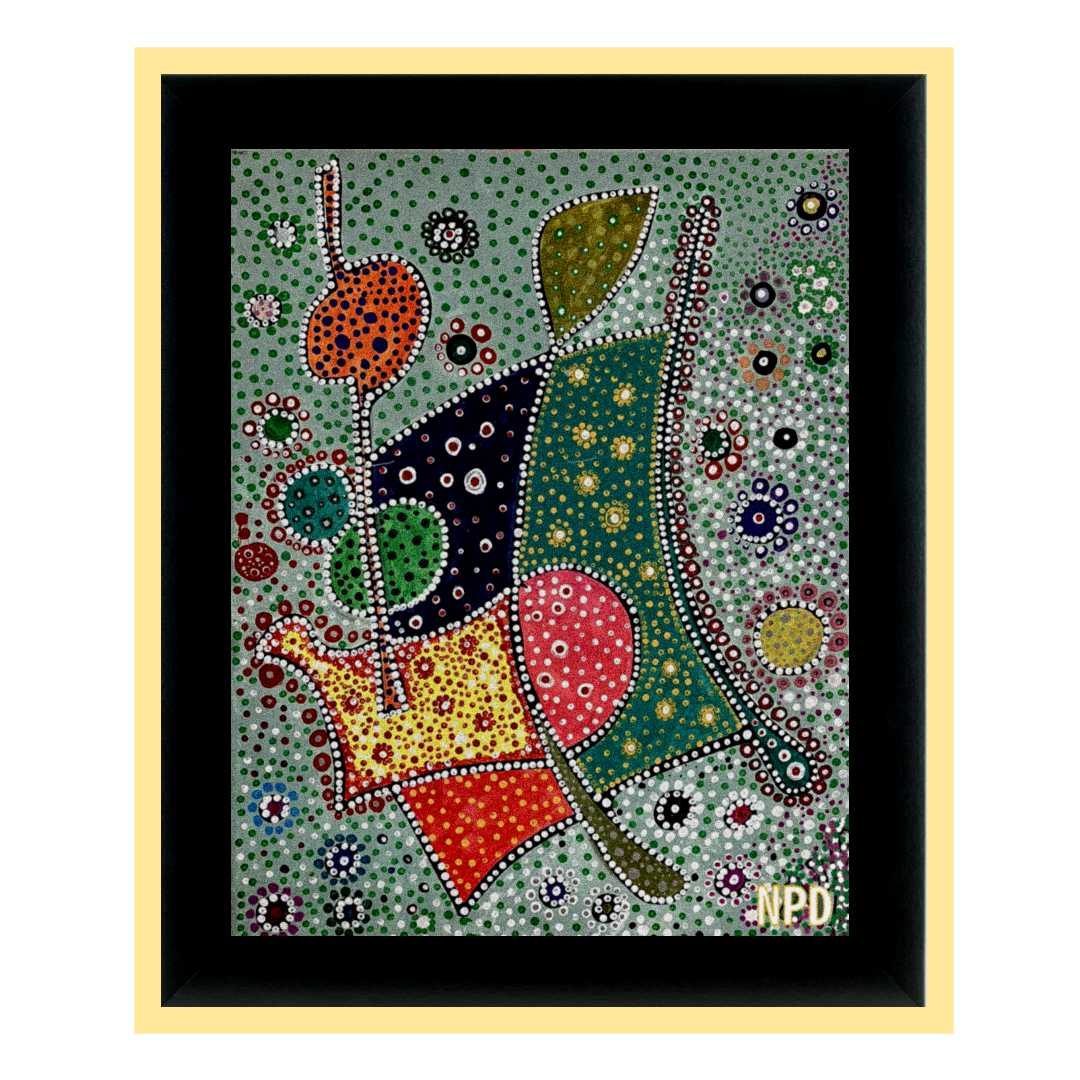
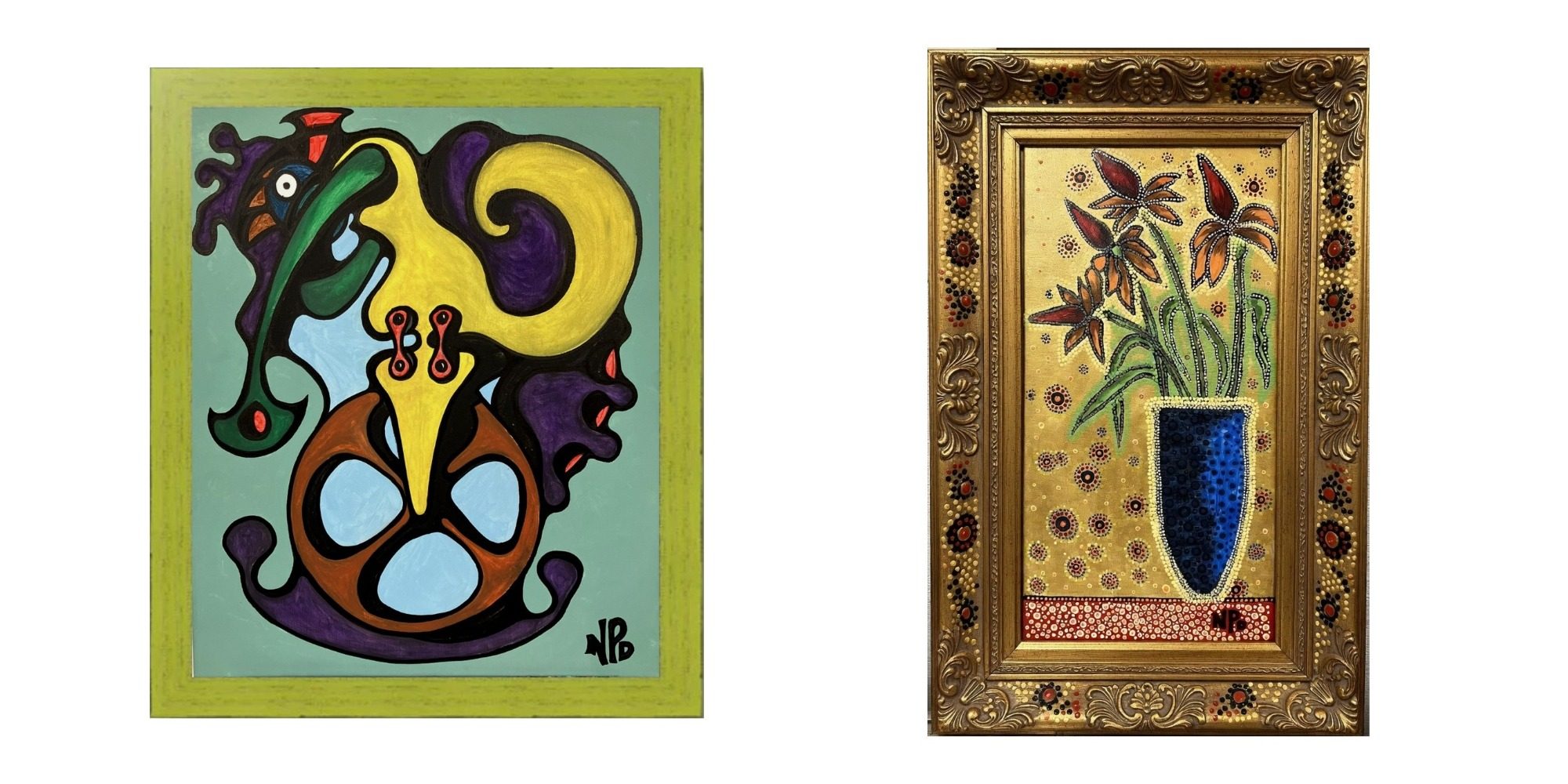
For centuries, chickens have captivated painters with their character and symbolism. Ele Gallo is my own interpretation—a solitary, expressive rooster created on a 20×24 sheet of recycled brown kraft cardstock and presented in a frame crafted from reclaimed glass and synthetic wood. A humble subject, reborn through reclaimed materials.
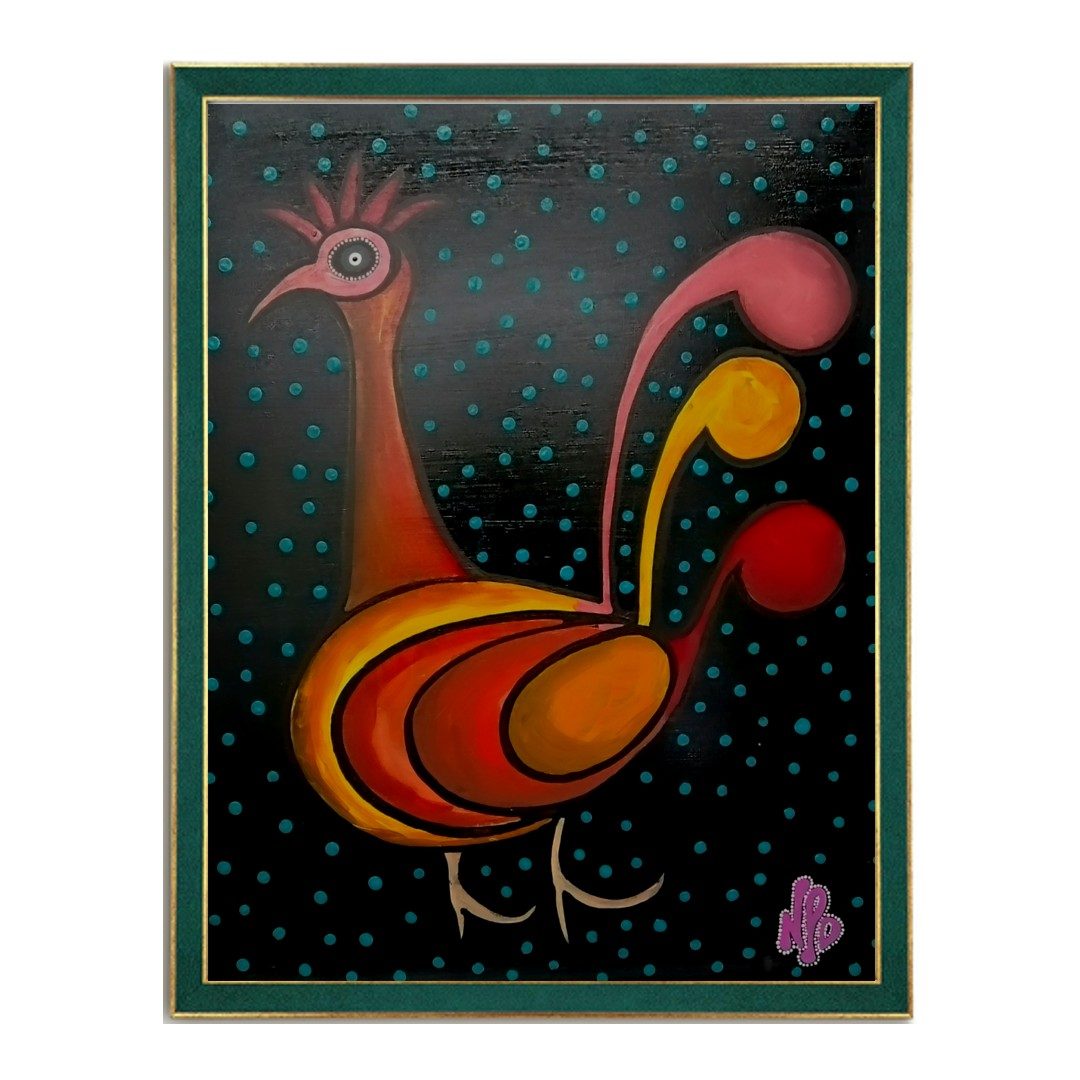
When Alaska Nights Turn White
Anchorage in summer defies expectation—where night dissolves into light and time stretches into near-eternity. Upon arriving, I was struck by the surreal rhythm of a day that never ends, a luminous hush that felt like stepping into a dream. Inspired by those endless hours, this painting reflects the quiet wonder of a landscape suspended between sleep and awakening. As Calderón de la Barca once wrote, “Life is a dream, and dreams are awakenings.” This canvas is my echo of that truth, born under the white nights of Alaska.
Acrylic on Canvas, 20 x 16 in.
Art & Decor
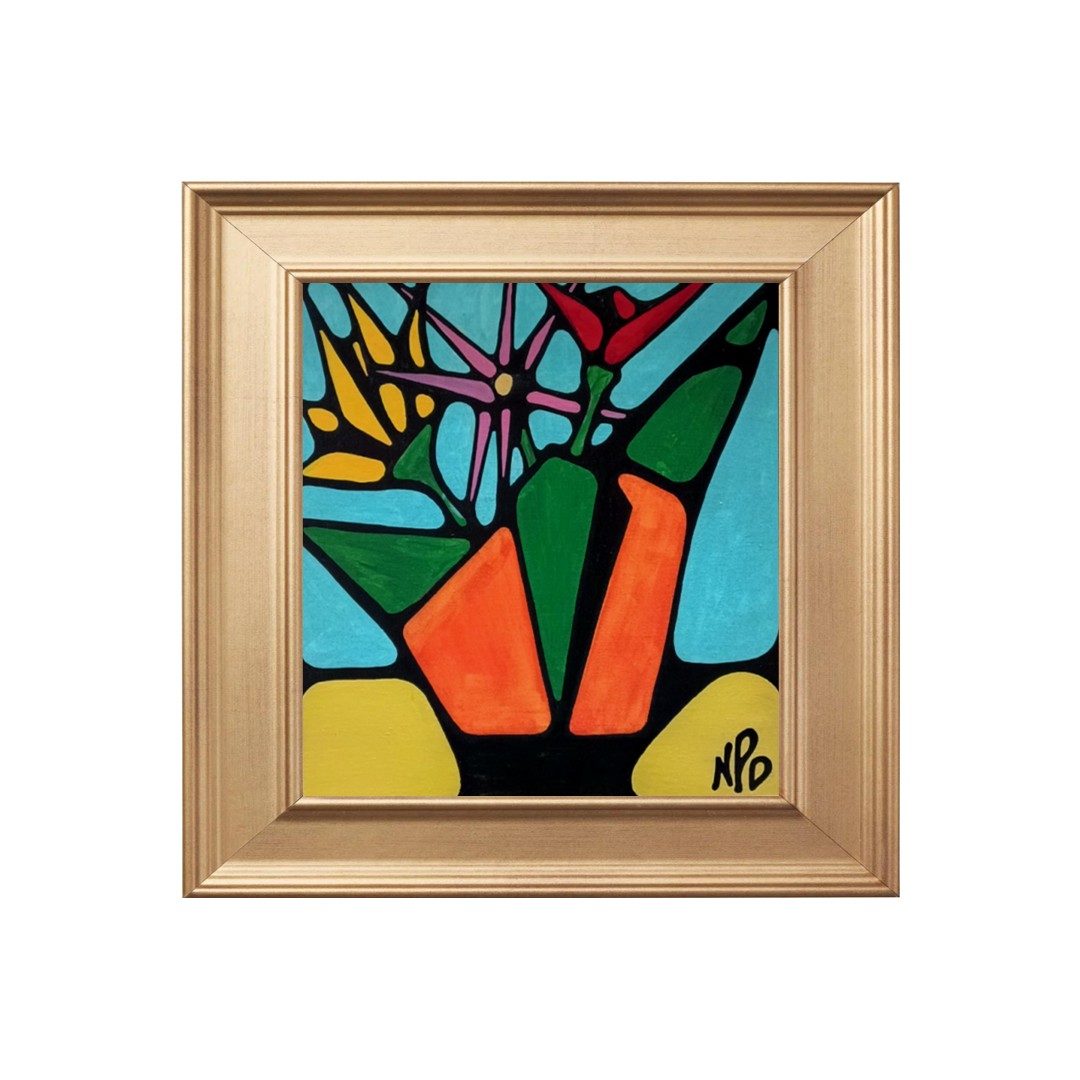
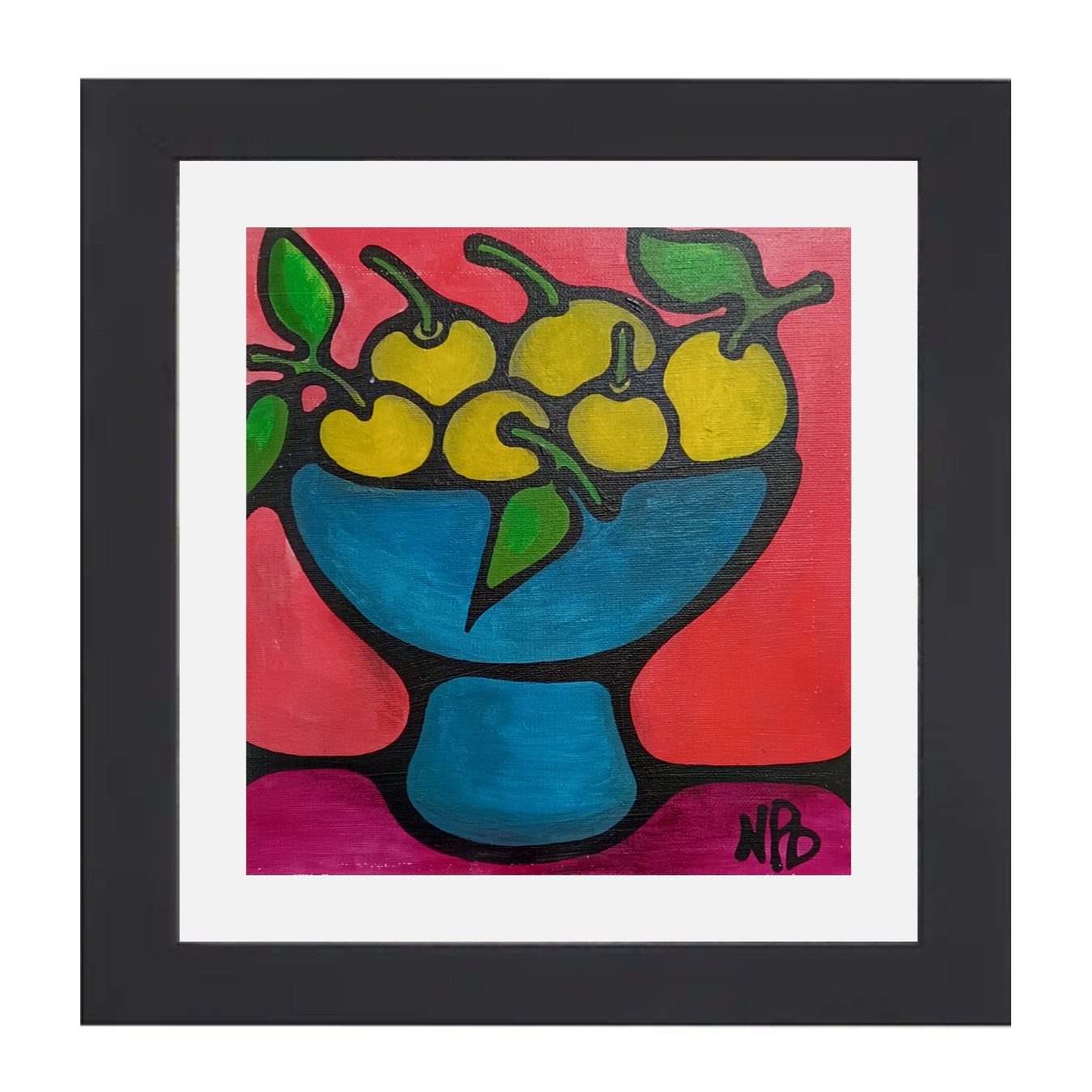
Small Acrylic Paintings on Canvas
These small pieces are all acrylic paintings on canvas, created during the winter of 2025 when larger works were being painted.
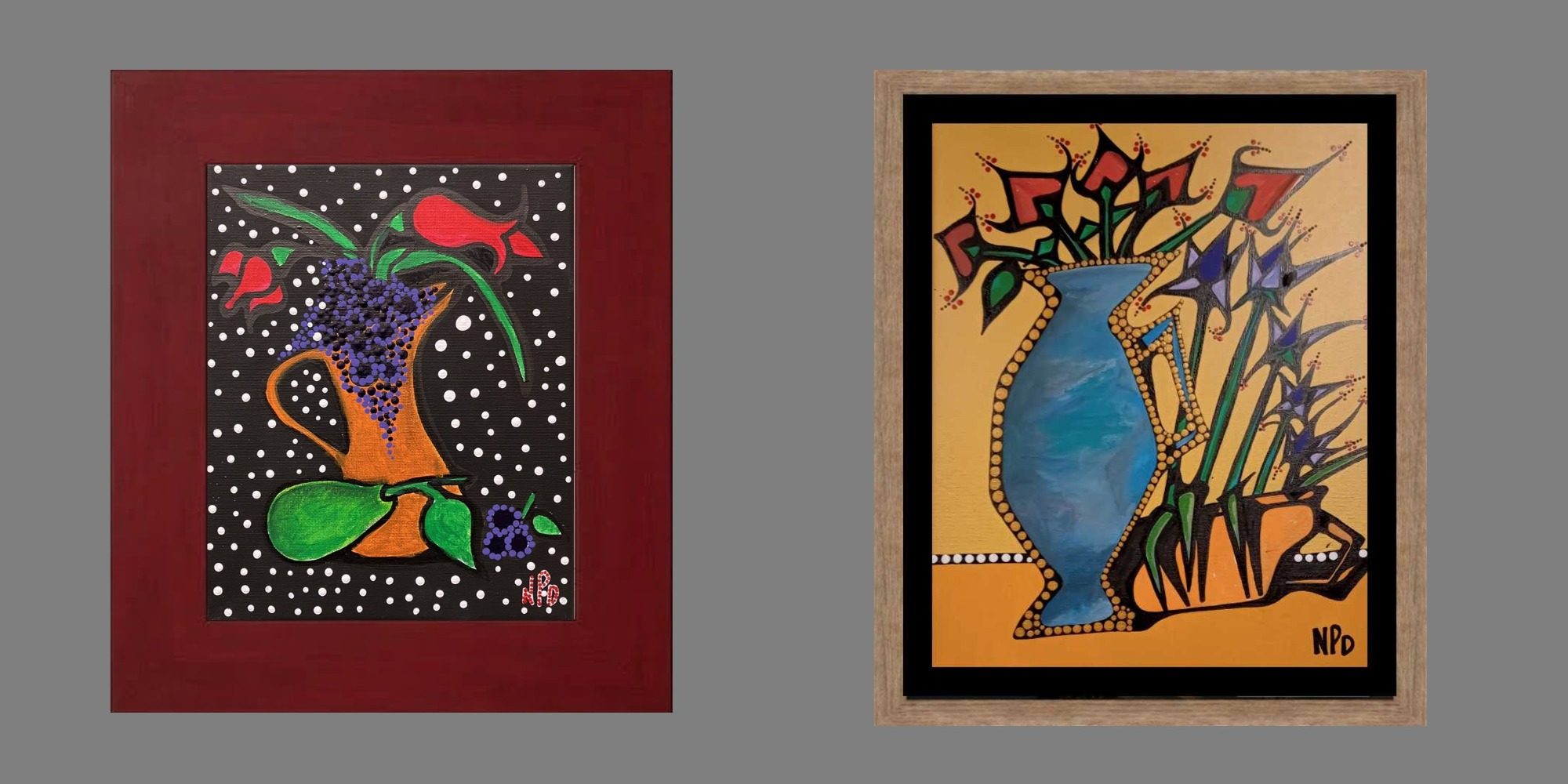
Art & Decor
Small Acrylic Paintings on Canvas
These small pieces are all acrylic paintings on canvas, created during the winter of 2025 when larger works were being painted.
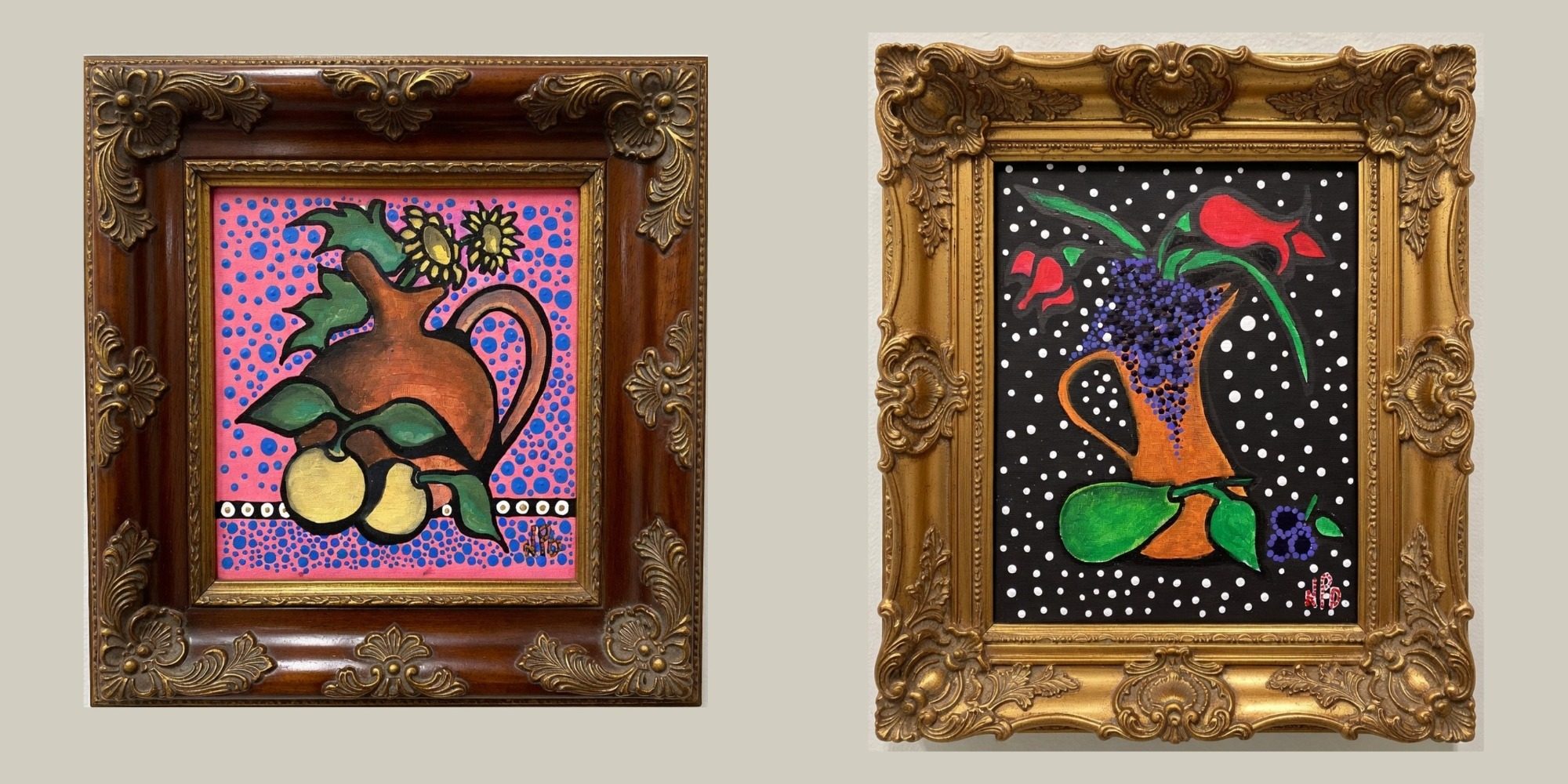
Art & Decor
Small Acrylic Paintings on Canvas
These small pieces are all acrylic paintings on canvas, created during the winter of 2025 when larger works were being painted.
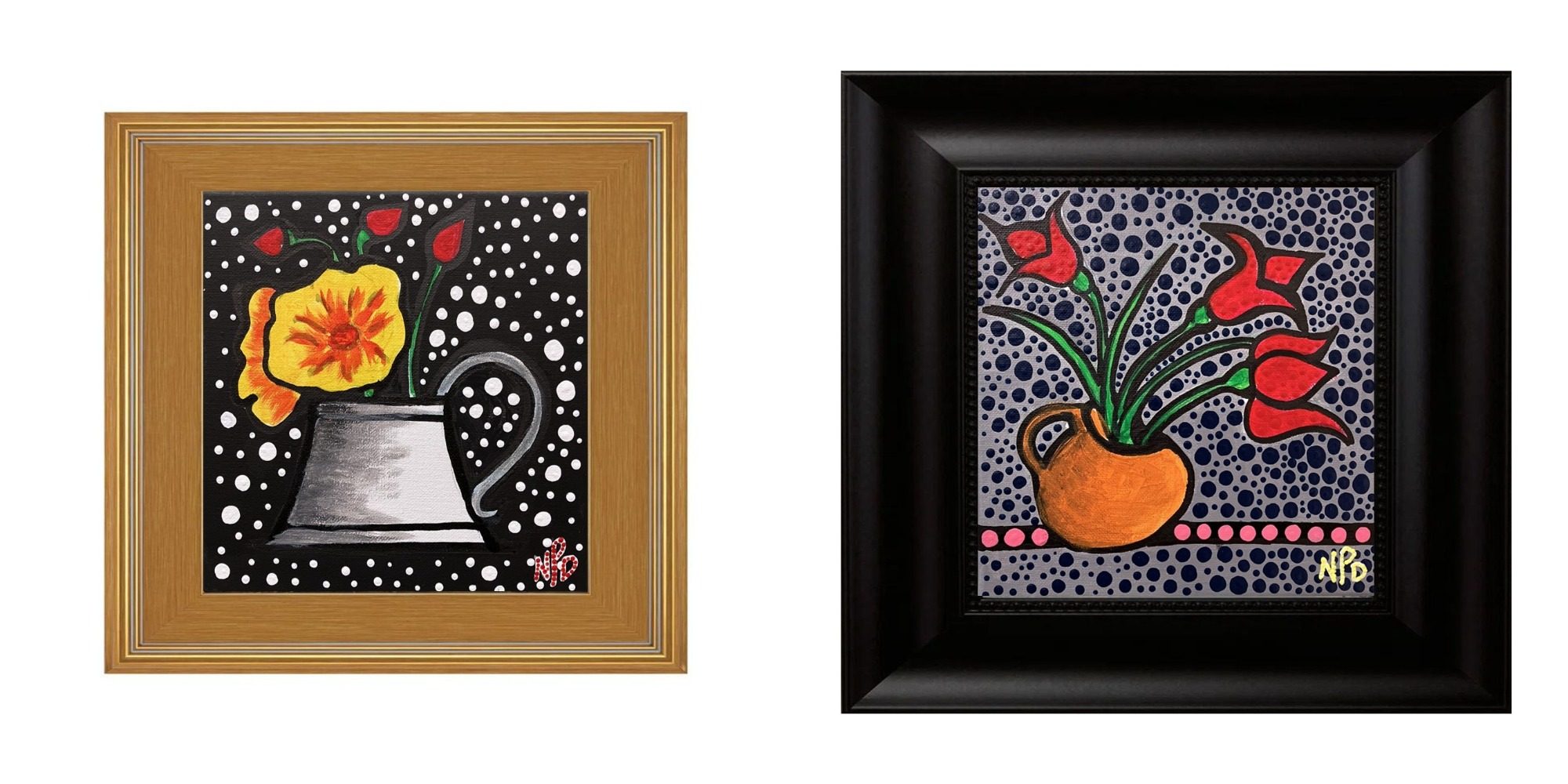
Art & Decor
Small Acrylic Paintings on Canvas
These small pieces are all acrylic paintings on canvas, created during the winter of 2025 when larger works were being painted.
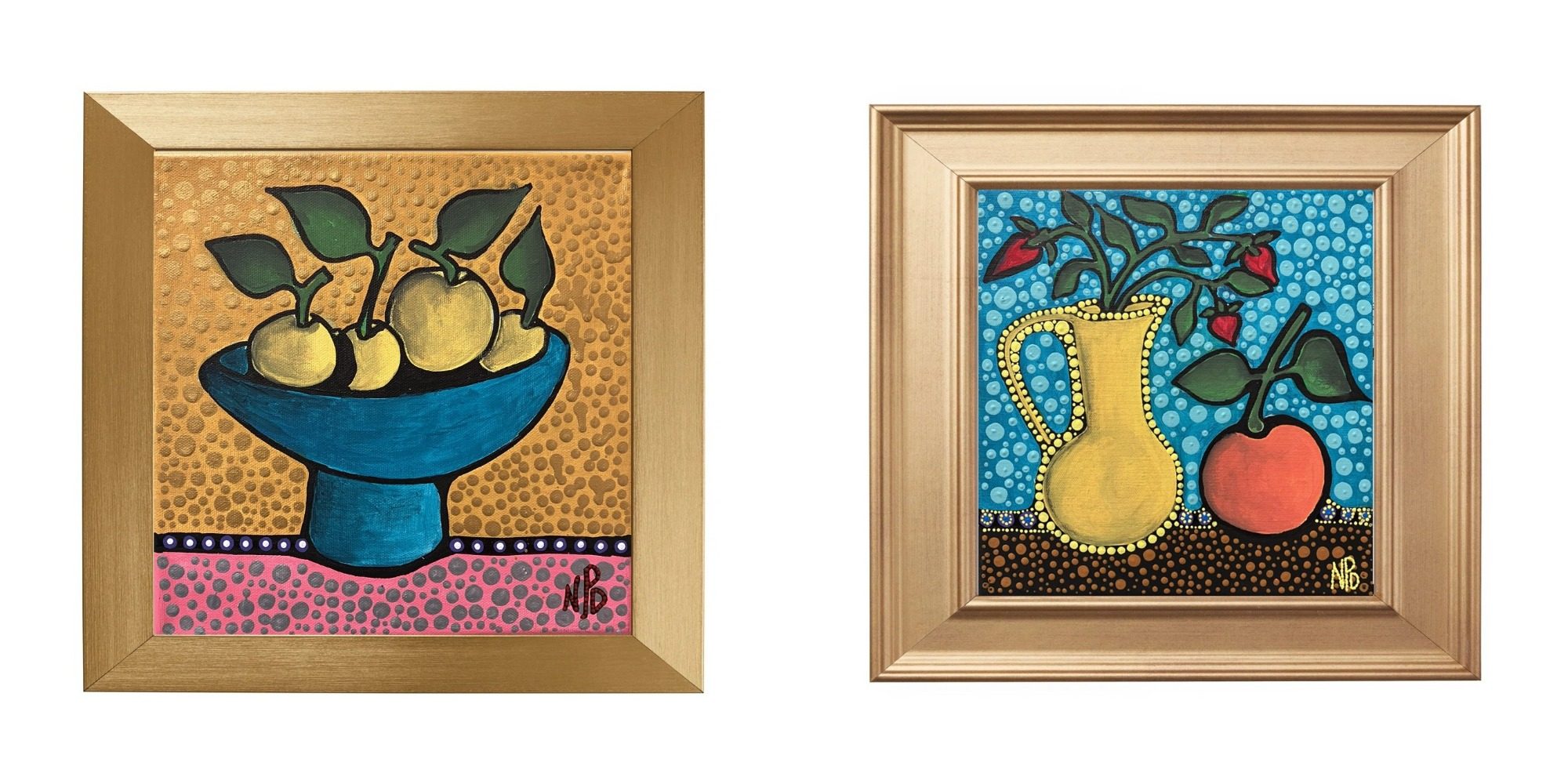
Art & Decor
Small Acrylic Paintings on Canvas
These small pieces are all acrylic paintings on canvas, created during the winter of 2025 when larger works were being painted.
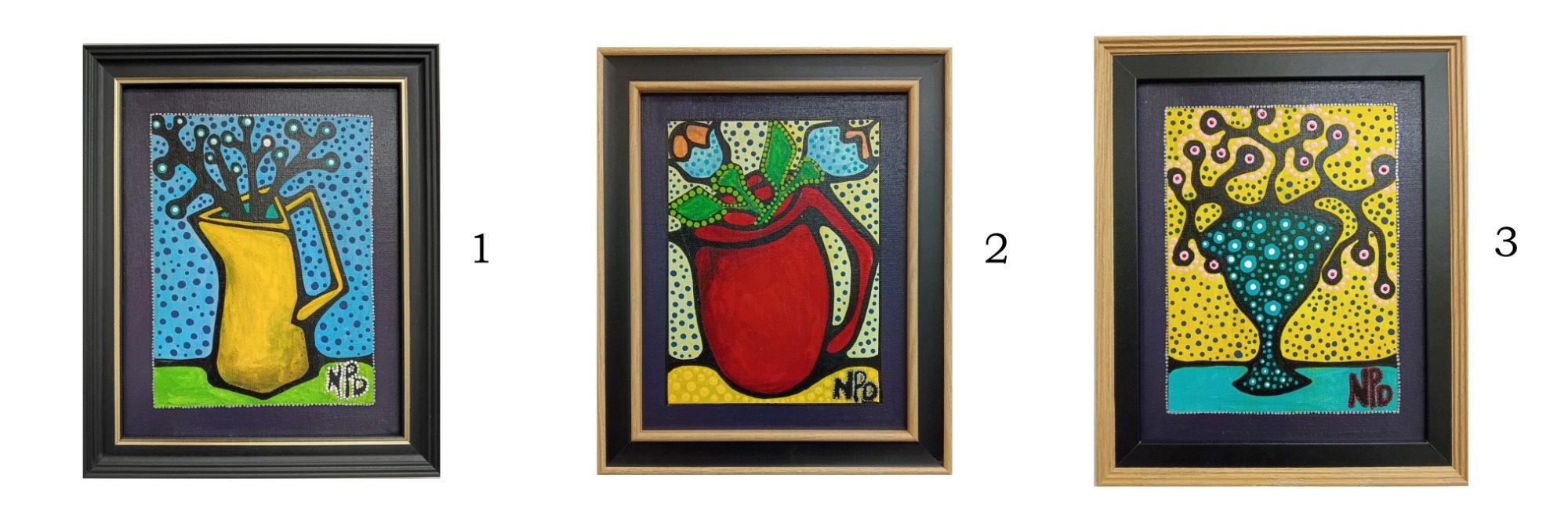
Art & Decor
Small Acrylic Paintings on Canvas
These small pieces are all acrylic paintings on canvas, created during the winter of 2025 when larger works were being painted.
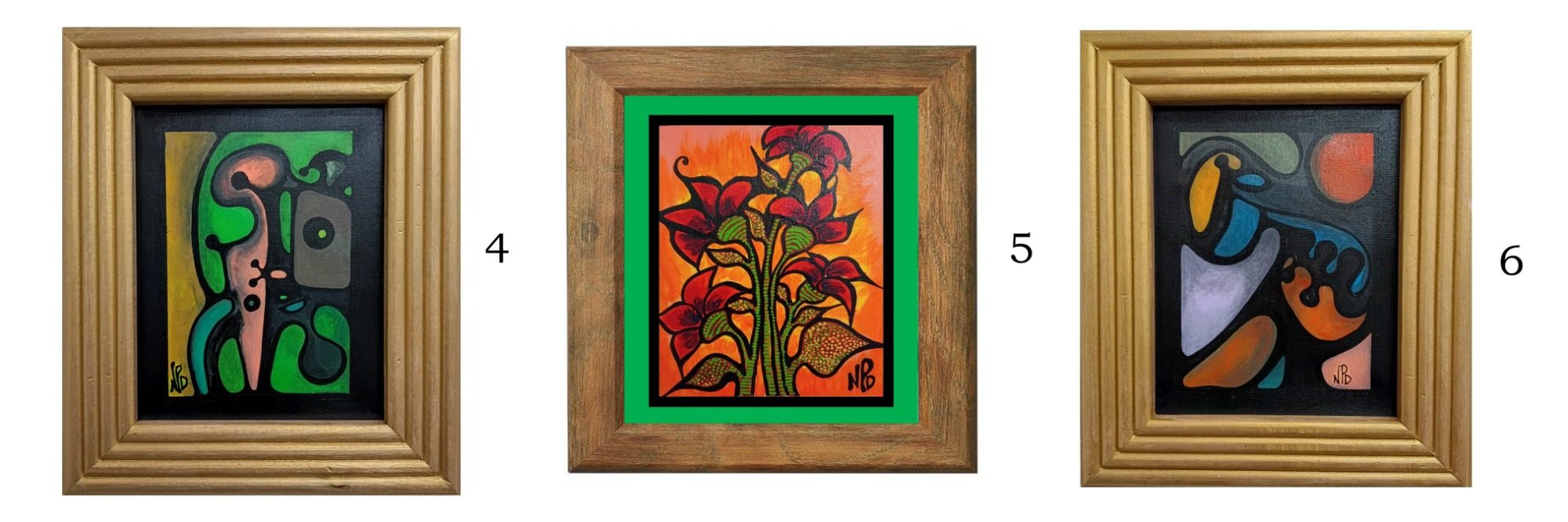
For sale
Small Acrylic Paintings on Canvas
These small pieces are all acrylic paintings on canvas, created during the winter of 2025 when larger works were being painted. (8x10 inches)
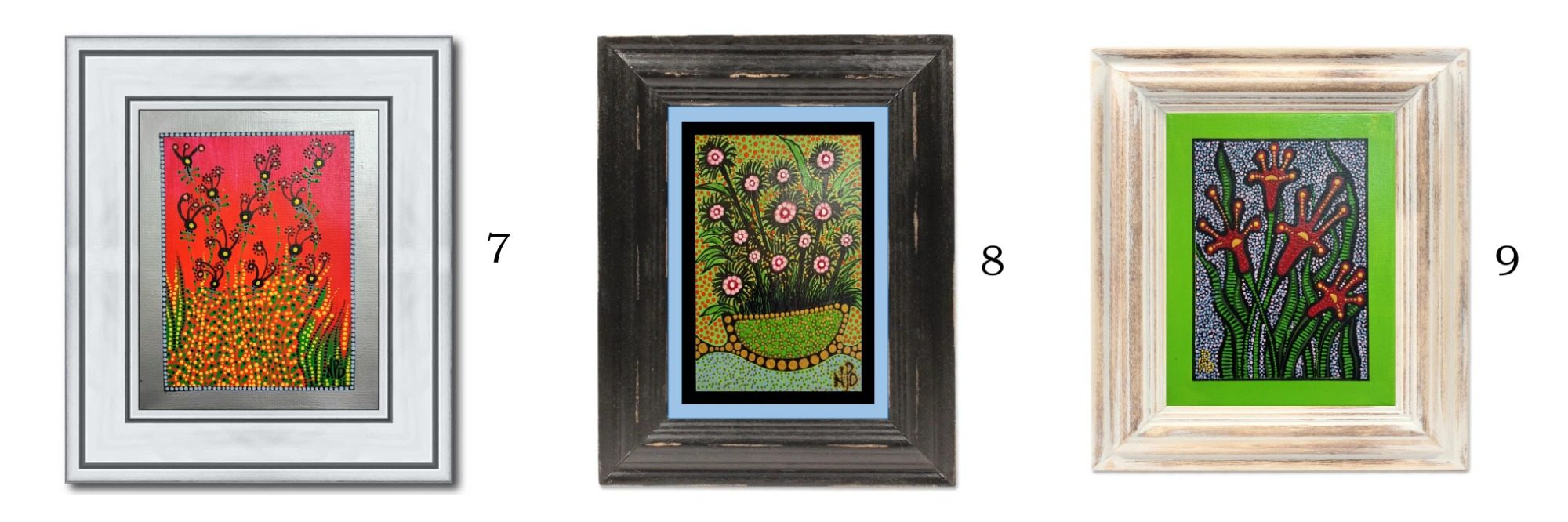
For sale
Small Acrylic Paintings on Canvas
These small pieces are all acrylic paintings on canvas, created during the winter of 2025 when larger works were being painted. (8x10 inches)
For sale
Small Acrylic Paintings on Canvas
These small pieces are all acrylic paintings on canvas, created during the winter of 2025 when larger works were being painted. (8x10 inches)
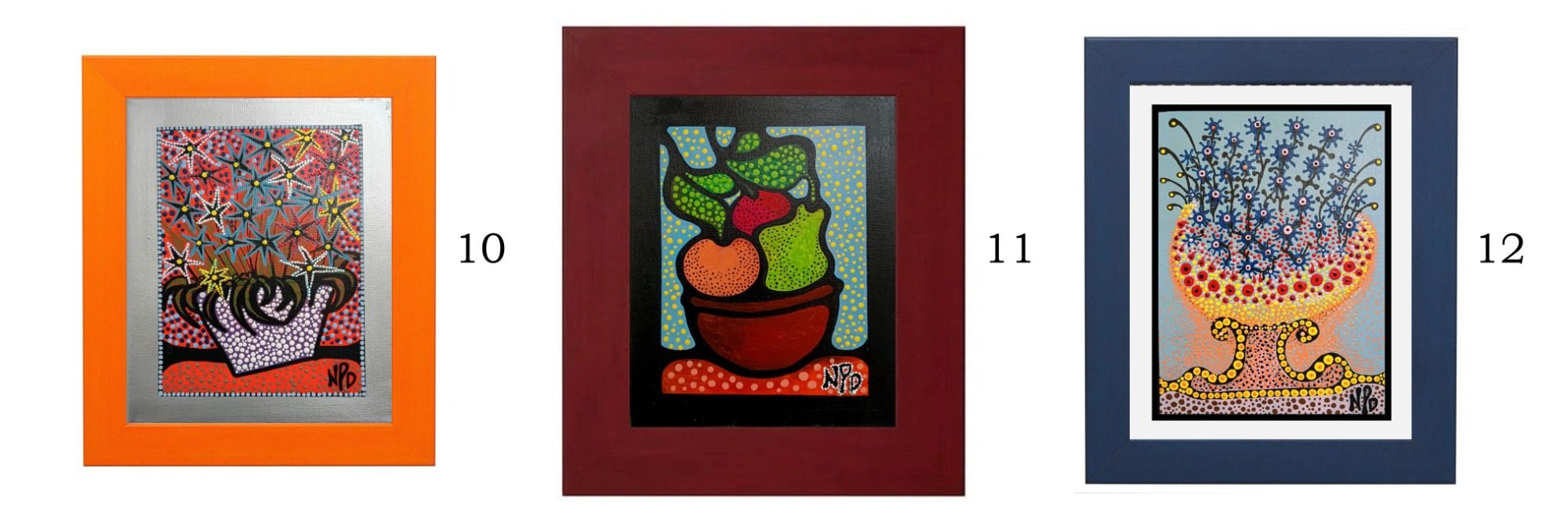
For sale
Small Acrylic Paintings on Canvas
These small pieces are all acrylic paintings on canvas, created during the winter of 2025 when larger works were being painted. (8x10 inches)
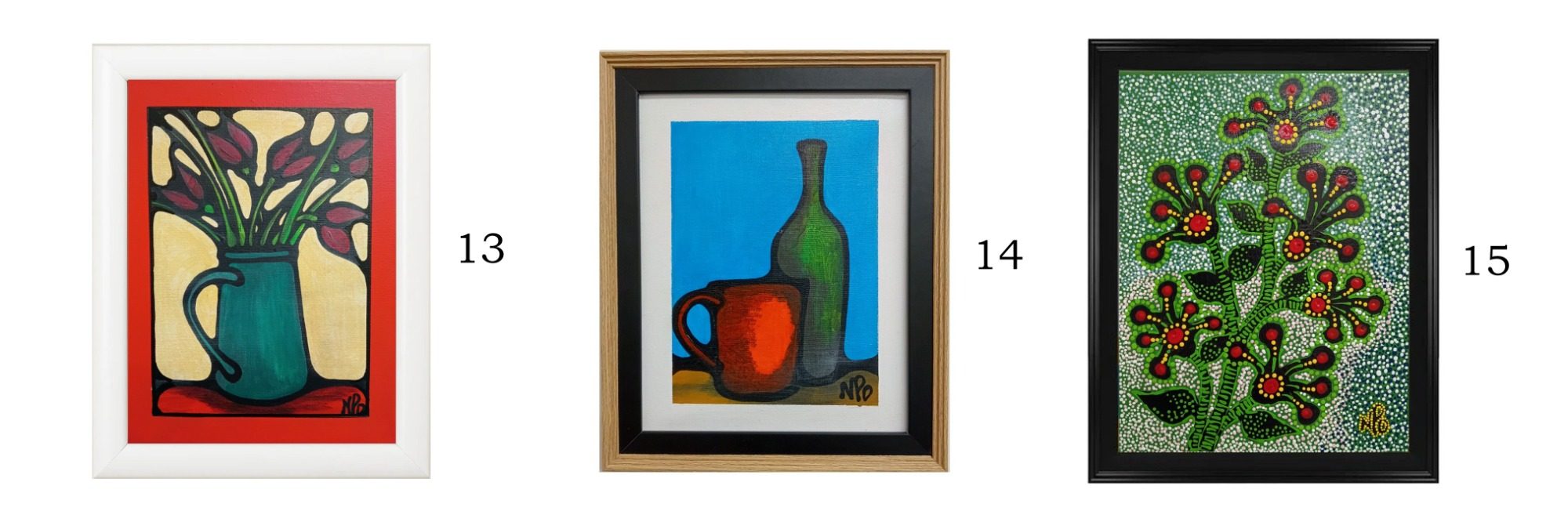
For sale
Small Acrylic Paintings on Canvas
These small pieces are all acrylic paintings on canvas, created during the winter of 2025 when larger works were being painted. 13 (12x9 inches) 14, 15 (8x10 inches)
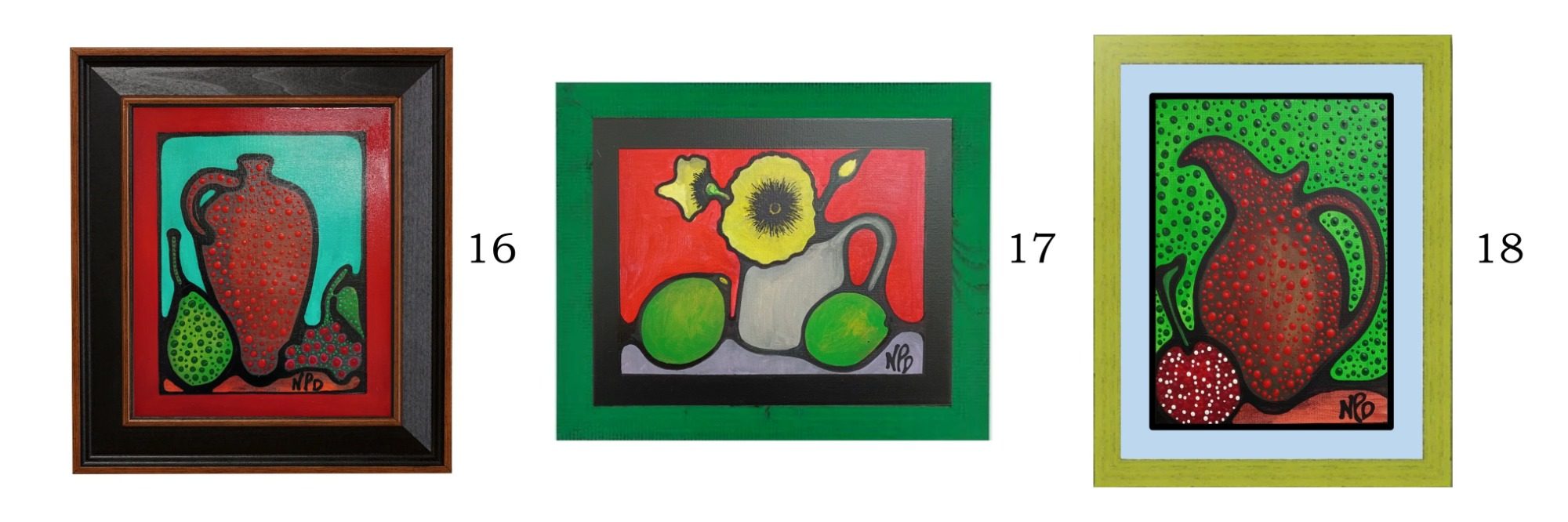
For sale
Small Acrylic Paintings on Canvas
These small pieces are all acrylic paintings on canvas, created during the winter of 2025 when larger works were being painted. (12x9 inches)
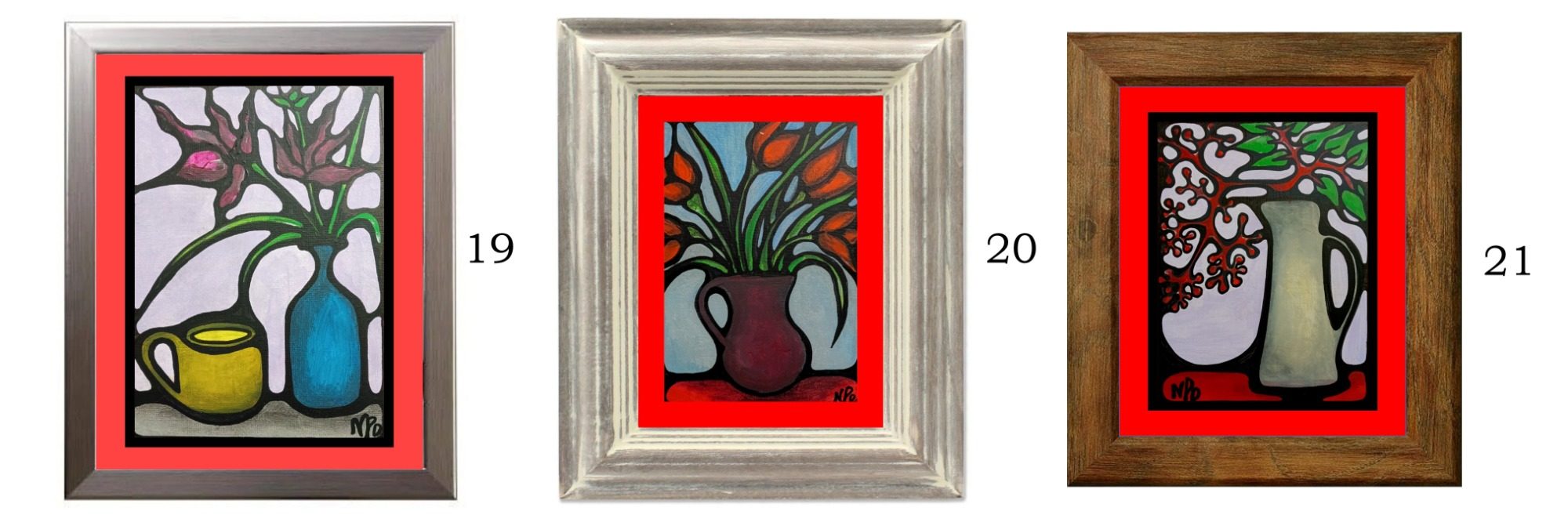
For sale
Small Acrylic Paintings on Canvas
These small pieces are all acrylic paintings on canvas, created during the winter of 2025 when larger works were being painted. (12x9 inches)
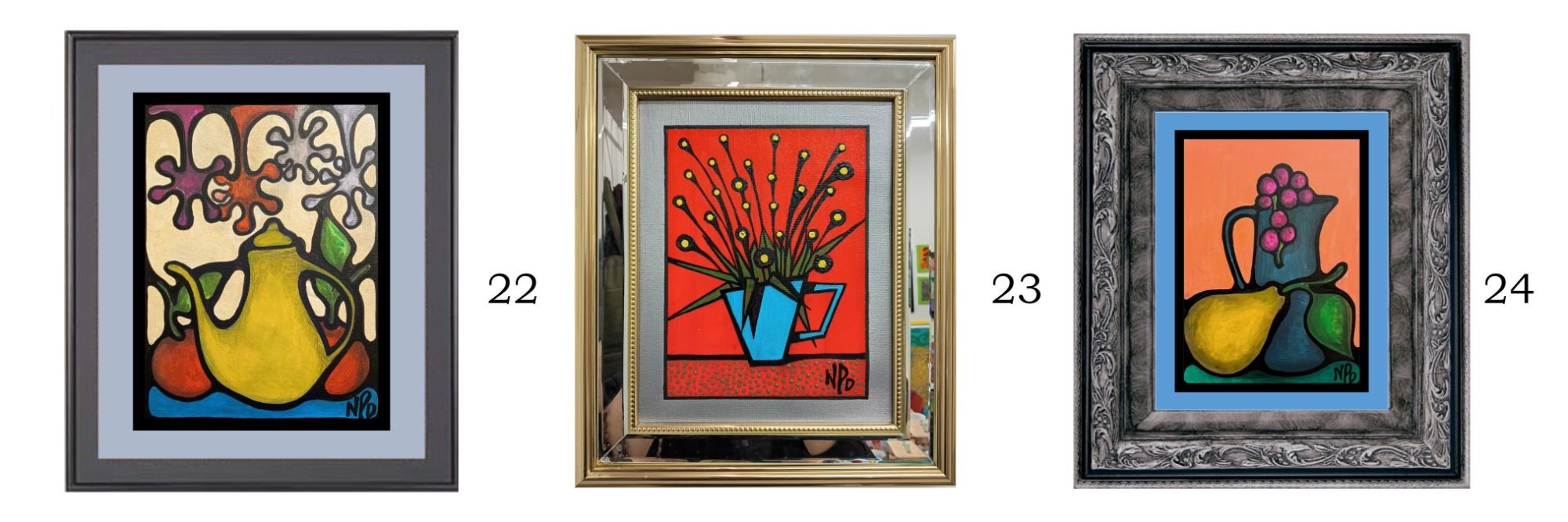
For sale
Small Acrylic Paintings on Canvas
These small pieces are all acrylic paintings on canvas, created during the winter of 2025 when larger works were being painted. 23 (8x10 inches) 22, 24 (12x9 inches)
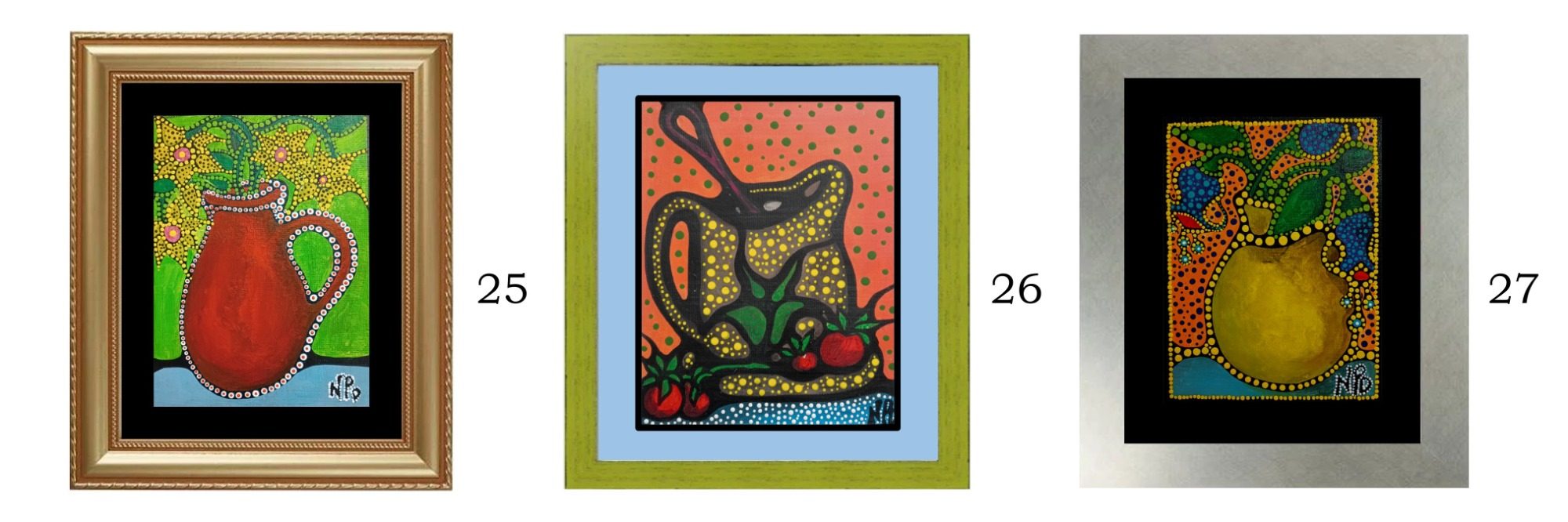
For sale
Small Acrylic Paintings on Canvas
These small pieces are all acrylic paintings on canvas, created during the winter of 2025 when larger works were being painted. 25, 27 (8x10 inches) 26 (12x9 inches)
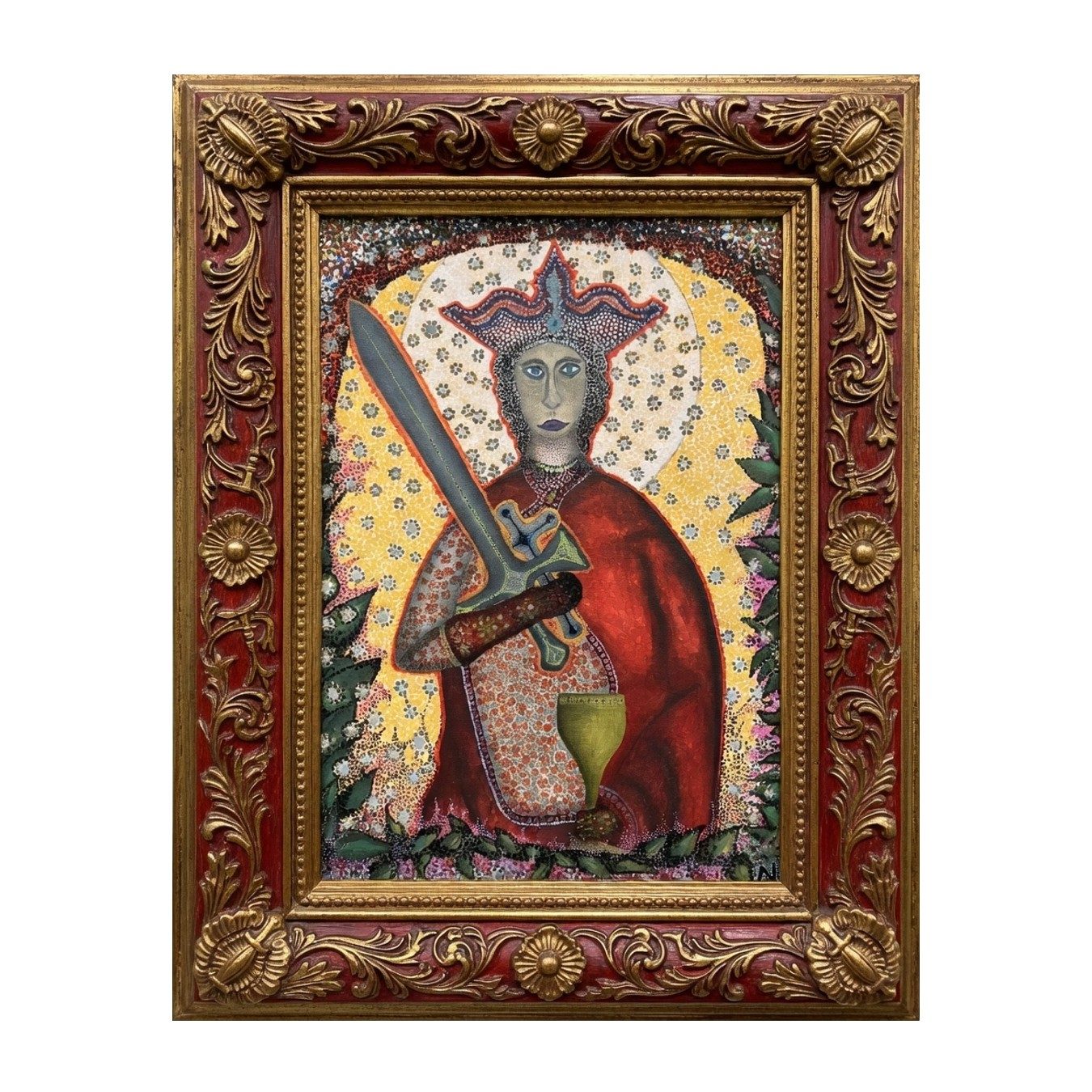
Saint Barbara: Guardian of Faith and Strength
In this evocative piece rendered in a primitive pointillism style, Saint Barbara is portrayed with profound symbolism and serene dignity. She stands framed by an arched window, a portal that connects the sacred interior with the vibrant world beyond. Surrounding her are delicate bay flowers, their soft petals and leaves rendered with meticulous dots of color, creating a natural halo that enhances her sanctity and grace.
Saint Barbara holds three powerful symbols in her hands, each telling a story of her faith and martyrdom. In one hand, she grips a gleaming sword, a testament to her courage and the trials she endured. The sword signifies both her strength and the divine justice she upheld; she also clasps a cross, the universal emblem of Christian faith and sacrifice, underscoring her unwavering devotion and spiritual resilience. In another hand, she holds a golden cup, symbolizing the chalice of salvation and the eternal reward promised to the faithful.
The primitive pointillism technique breathes life into the scene through countless tiny dots of pigment, creating a textured, almost mosaic-like effect that invites the viewer to contemplate each detail closely. This stylistic choice evokes a timeless, almost mystical aura, bridging the ancient and the modern, the earthly and the divine.
Saint Barbara’s calm yet resolute expression, combined with the symbolic elements and the floral embrace, invites reflection on themes of faith, protection, and sacrifice. This artwork not only honors her legacy as a patron saint of artillerymen and those facing sudden danger but also celebrates the enduring power of spiritual conviction.
Acrylic paint on canvas, 16 x 20 inches.
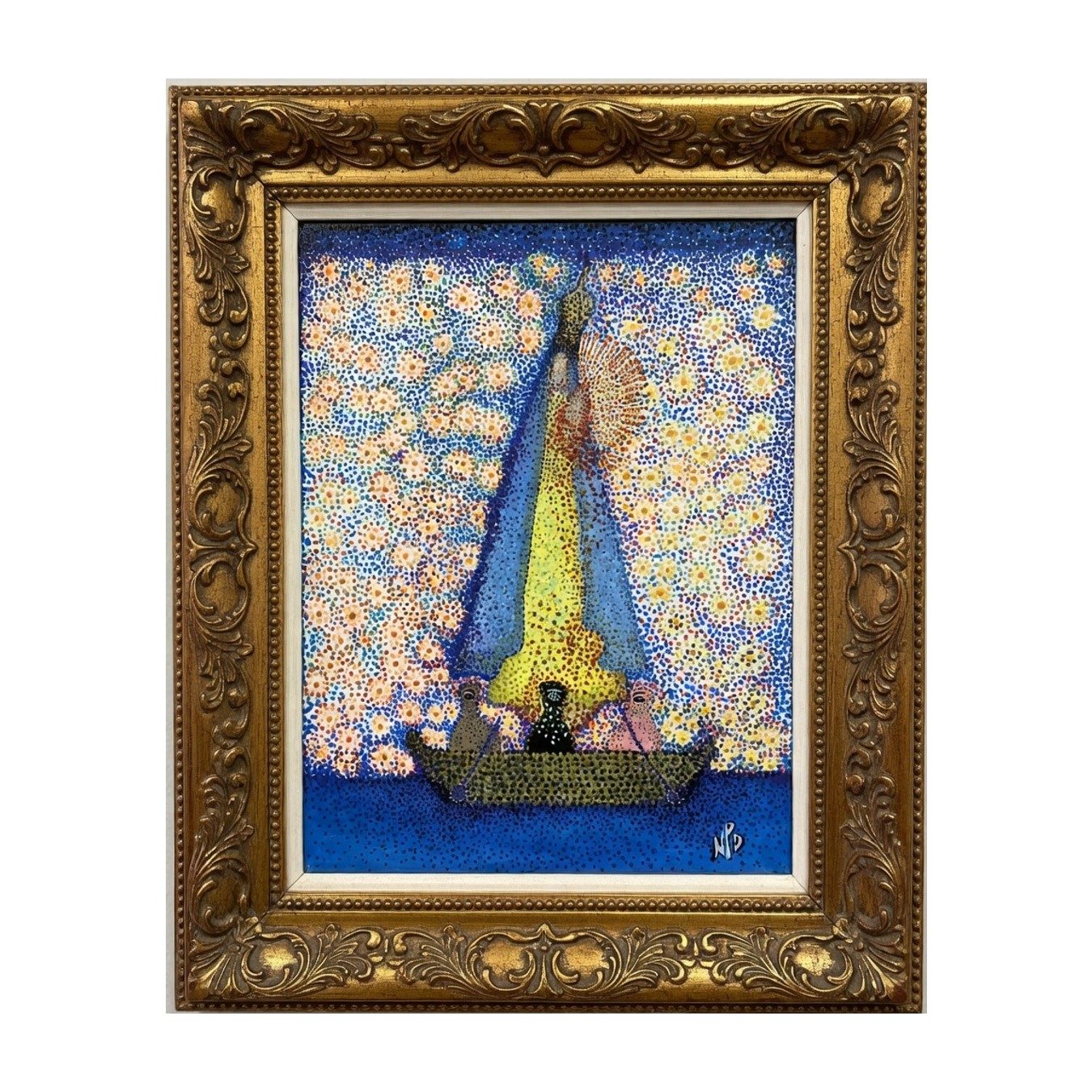
La Virgen de la Caridad del Cobre — Patron Saint of Cuba
This pointillism artwork captures La Virgen de la Caridad del Cobre, the beloved patron saint of Cuba, in a moment of profound spiritual grace and cultural resonance. Rendered through thousands of delicate dots, the image reveals her standing serenely upon the sea, atop a small boat that gently floats amid the waves. This boat symbolizes the journey and resilience of the Cuban people, navigating the turbulent waters of history and hardship.
Surrounding the Virgin are the ethereal spirits of three faithful men — one white, one black, and one mulatto — representing the rich tapestry of Cuba’s diverse heritage and the unity of its people. These figures stand as protectors and witnesses, embodying the strength found in solidarity across racial and cultural lines.
In her arms, the Virgin tenderly holds the infant Jesus, depicted as an alo (a symbol of light and hope), radiating a divine beam that pierces the sky. This luminous beam represents the enduring suffering and struggles of the Cuban people, yet also their unwavering faith and hope for protection and salvation.
The entire composition, created in the pointillist style, invites viewers to contemplate the intricate interplay of light, color, and spirit — a metaphor for the complex history and enduring spirit of Cuba. Each dot contributes to a larger whole, just as every individual story and sacrifice contributes to the collective identity and resilience of the nation.
This artwork is not only a tribute to La Virgen de la Caridad del Cobre but also a powerful symbol of protection, unity, and hope for all who look to her in times of trial.
Acrylic paint on canvas, 16 x 20 inches.
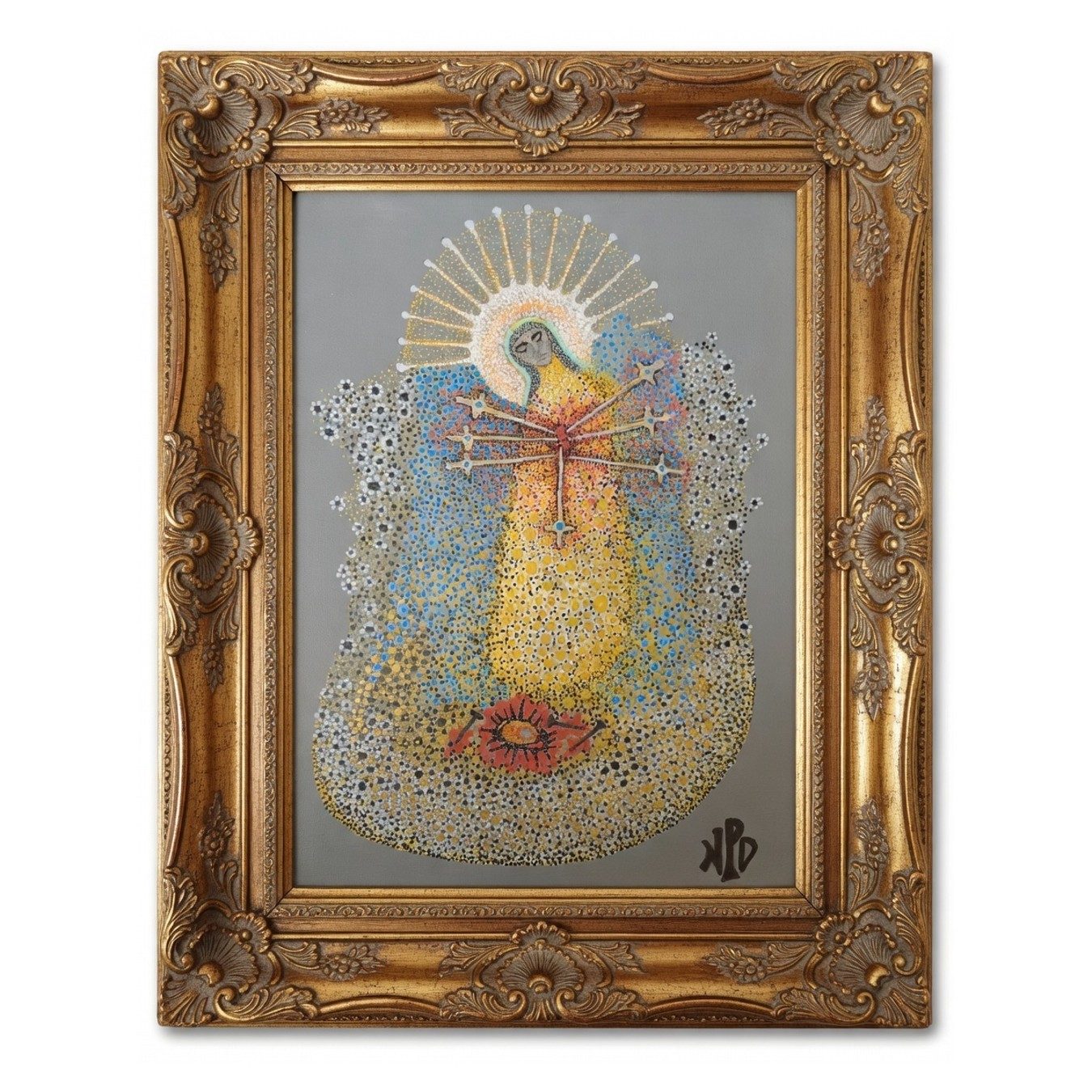
Sorrow
The canvas titled Sorrow presents a profound meditation on the Mater Dolorosa—the Virgin of Sorrows—rendered in a style that merges the raw emotional intensity of Pontillism with the elemental directness of Primitivism. Here, the Virgin Mary is depicted in a moment of unconsolable grief, her gaze cast downward toward the crown of thorns, the nails, and the blood of her crucified son.
The composition strips away elaborate detail, favoring instead a powerful, almost tactile simplicity that evokes the primal depths of maternal pain. Each point of color and every bold, simplified form converge to express the Virgin’s overwhelming sorrow—an eternal witness to sacrifice and suffering.
In this work, the Virgin’s downward look is not merely an act of mourning but a silent dialogue with the instruments of Christ’s passion, embodying the universal themes of loss, compassion, and endurance. The fragmented yet cohesive visual language invites the viewer to confront the rawness of sorrow, transcending time and tradition to touch the core of human empathy.
Sorrow stands as a testament to the enduring power of faith and the profound human experience of grief, rendered through a unique fusion of artistic movements that amplify its emotional resonance.
Acrylic paint on canvas, 12 x 16 inches.
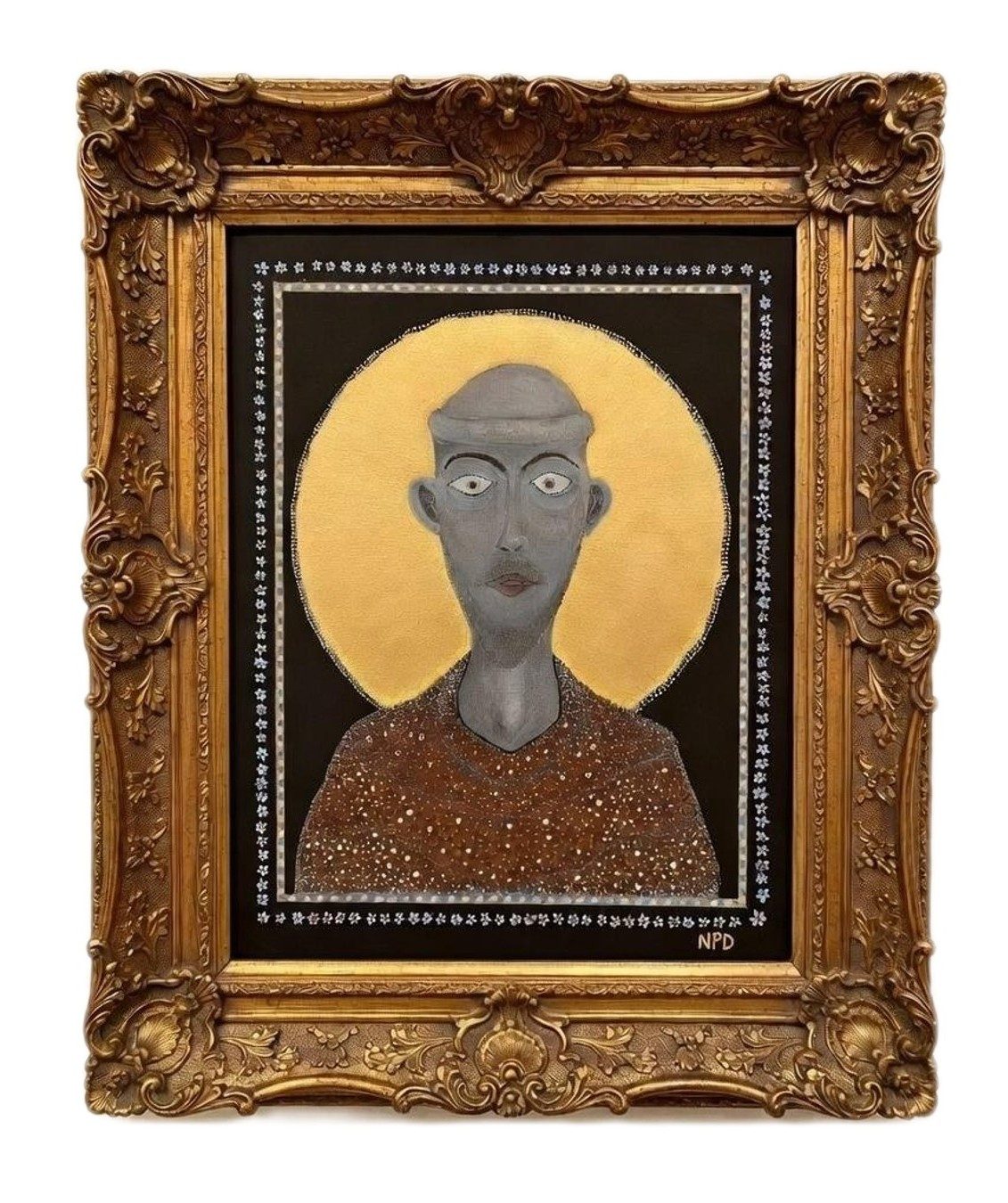
St. Francis of Assisi
This image of St. Francis of Assisi is rendered in a Primitivism style, evoking the simplicity and humility that define the saint’s life and legacy. Sketched as an icon, the composition focuses on his upper chest and face, framed by a perfect circle of golden aura—a timeless symbol of sanctity and divine light.
The choice of gray skin tones reflects St. Francis’s profound embrace of poverty and renunciation, stripping away earthly vanity to reveal the spiritual essence beneath. His expression is serene yet deeply human, inviting viewers to contemplate the virtues of humility, compassion, and connection to the natural world.
The minimalist, almost raw sketching style enhances the immediacy of the image, bridging the sacred and the accessible. This portrayal transcends traditional iconography by blending the sacred aura with a modern, primitive aesthetic, reminding us that holiness often dwells in simplicity and the quiet strength of the humble heart.
Acrylic paint on canvas, 16 x 20 inches.
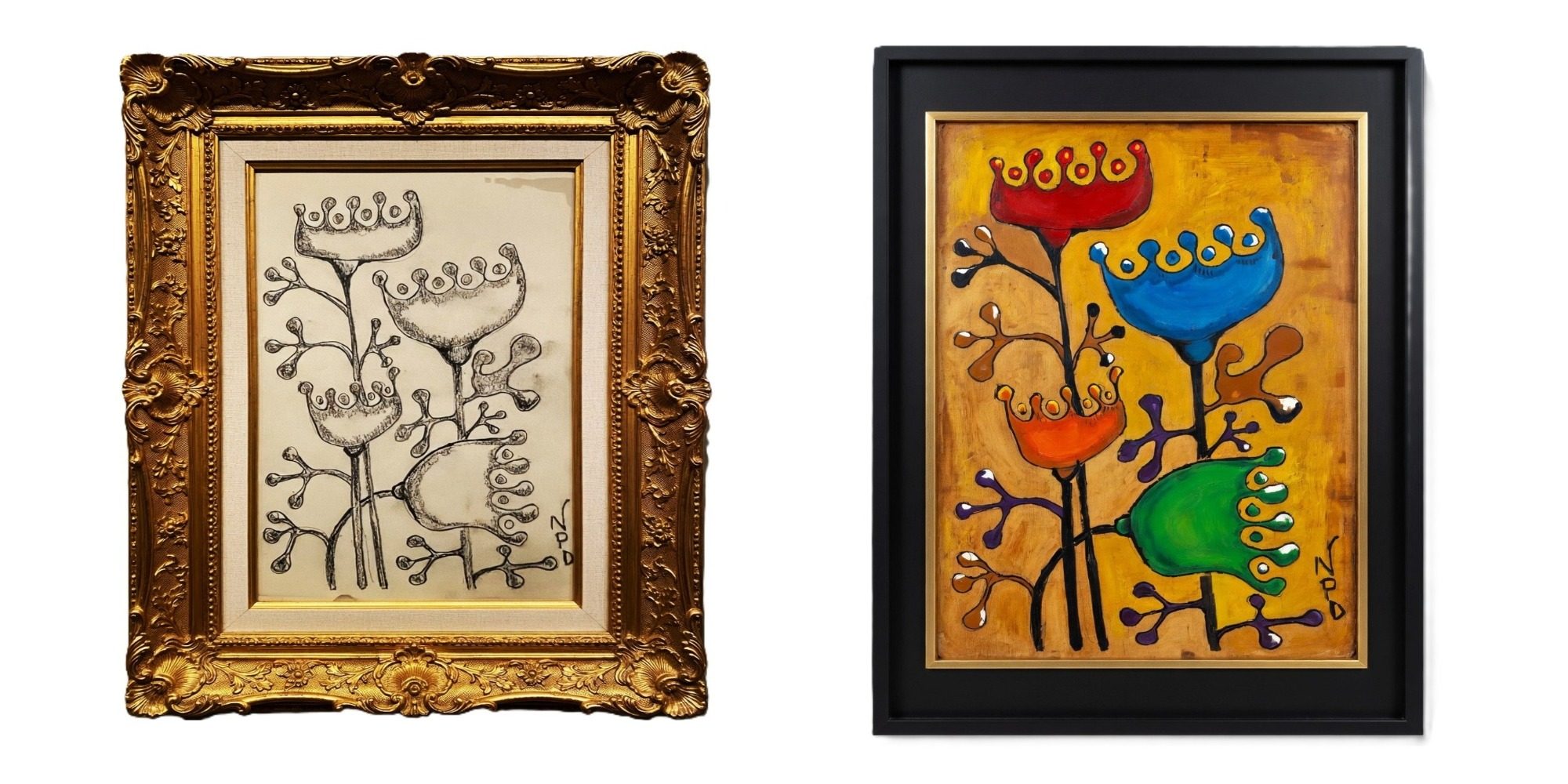
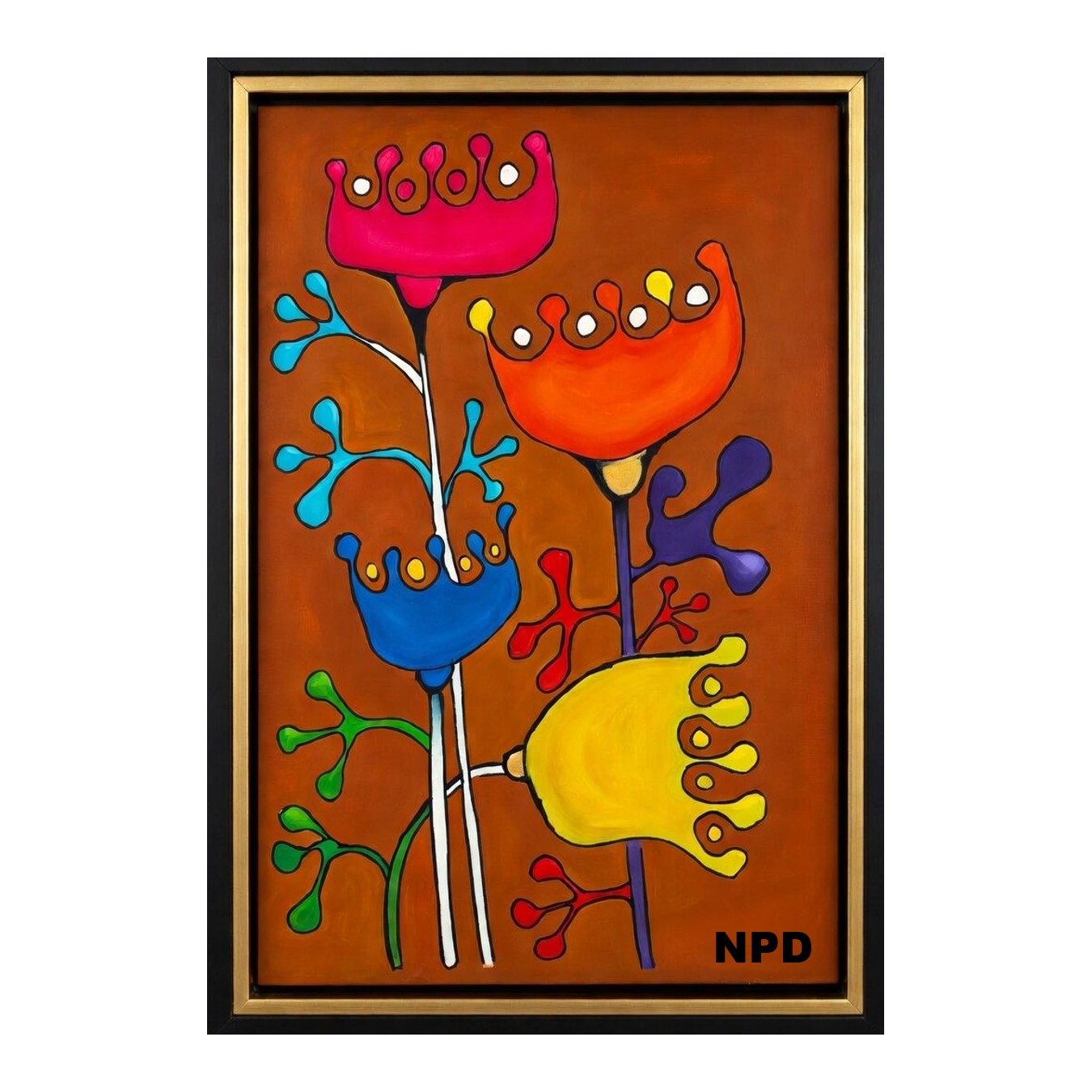
Original pencil croquis and digital painting
Orchis, Before the Name
Look closely at these earth-rooted flowers and you will see why ancient observers read human meanings into plant shapes...
Orchis, Before the Name
In the quiet, mud-dark hush of these primitive blooms you may glimpse a story older than our botanical names — a tale of desire, violence and metamorphosis that the ancients used to explain what they could not otherwise see.
The myth tells of Orchis, the son of a satyr and a nymph, who clearly inherited some of his father’s libidinous behaviour. He is said to have assaulted or even raped a priestess of Dionysus, the god of wine. The god took his revenge by having Orchis torn apart by wild beasts and then scattering the bits to the four winds. His father was obviously distraught and begged for the gods to bring him back to life. In vain. However they did agree to transform each of the bits of his body into a flower which is named after him – in other words they became orchids.
Look closely at these earth-rooted flowers and you will see why ancient observers read human meanings into plant shapes: tubers like echoes, blossoms like fragments of narrative. This image invites you to hold two truths together — the plant’s delicate, mute beauty, and the darker, human stories we project onto it. Both have shaped the orchid’s place in myth, medicine and memory.
Original pencil croquis and digital painting
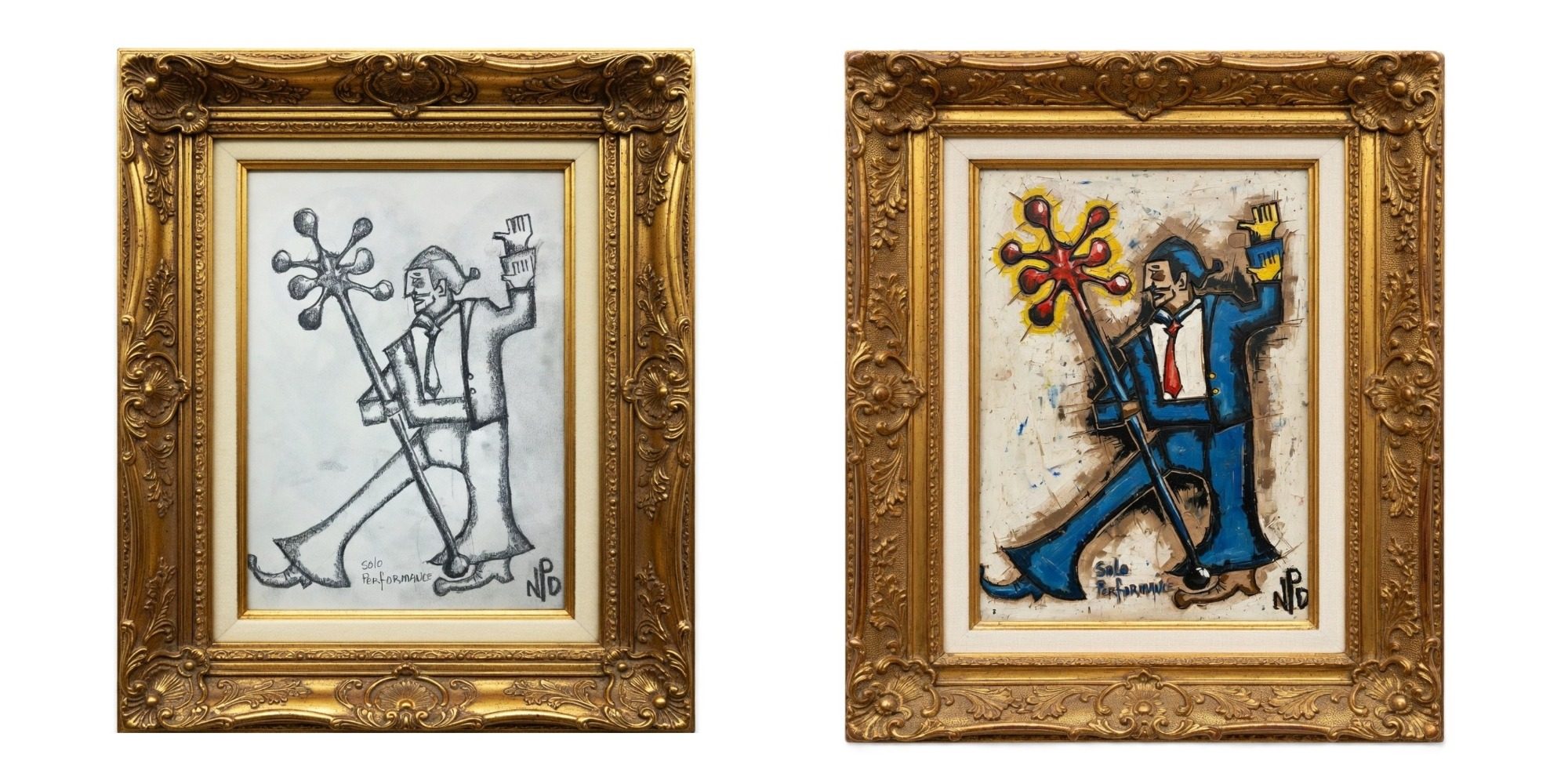
The Dancer with the Lantern
Those who were seen dancing were thought to be insane by those who could not hear the music...
The Dancer with the Lantern
[...] The Dancer with the Lantern
A solitary figure steps into the hush of night, lantern aloft, attire immaculate. Each dot of pigment pulses with rhythm, echoing a private choreography that blurs the line between grace and madness. Inspired by the aphorism, “Those who were seen dancing were thought to be insane by those who could not hear the music,” this work invites the viewer to witness the beauty of defiant joy—where refinement meets rebellion in a flicker of light.
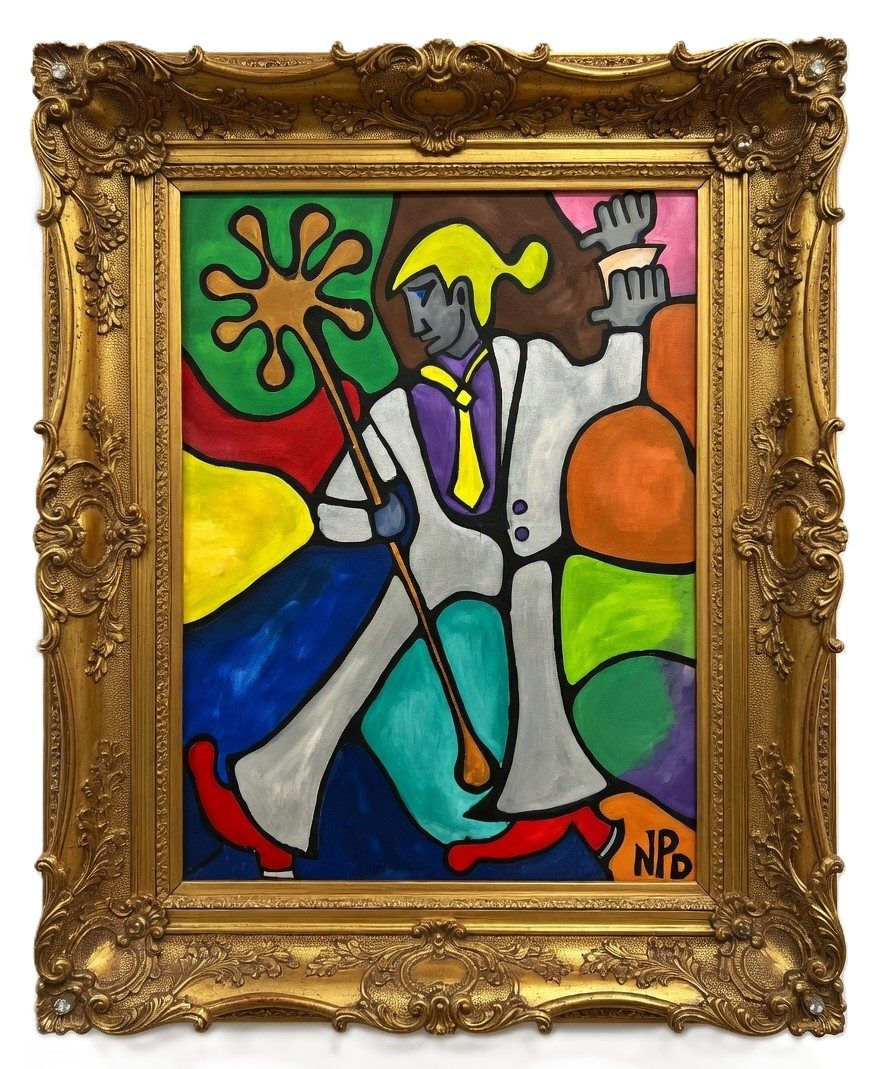
Original pencil croquis and digital painting
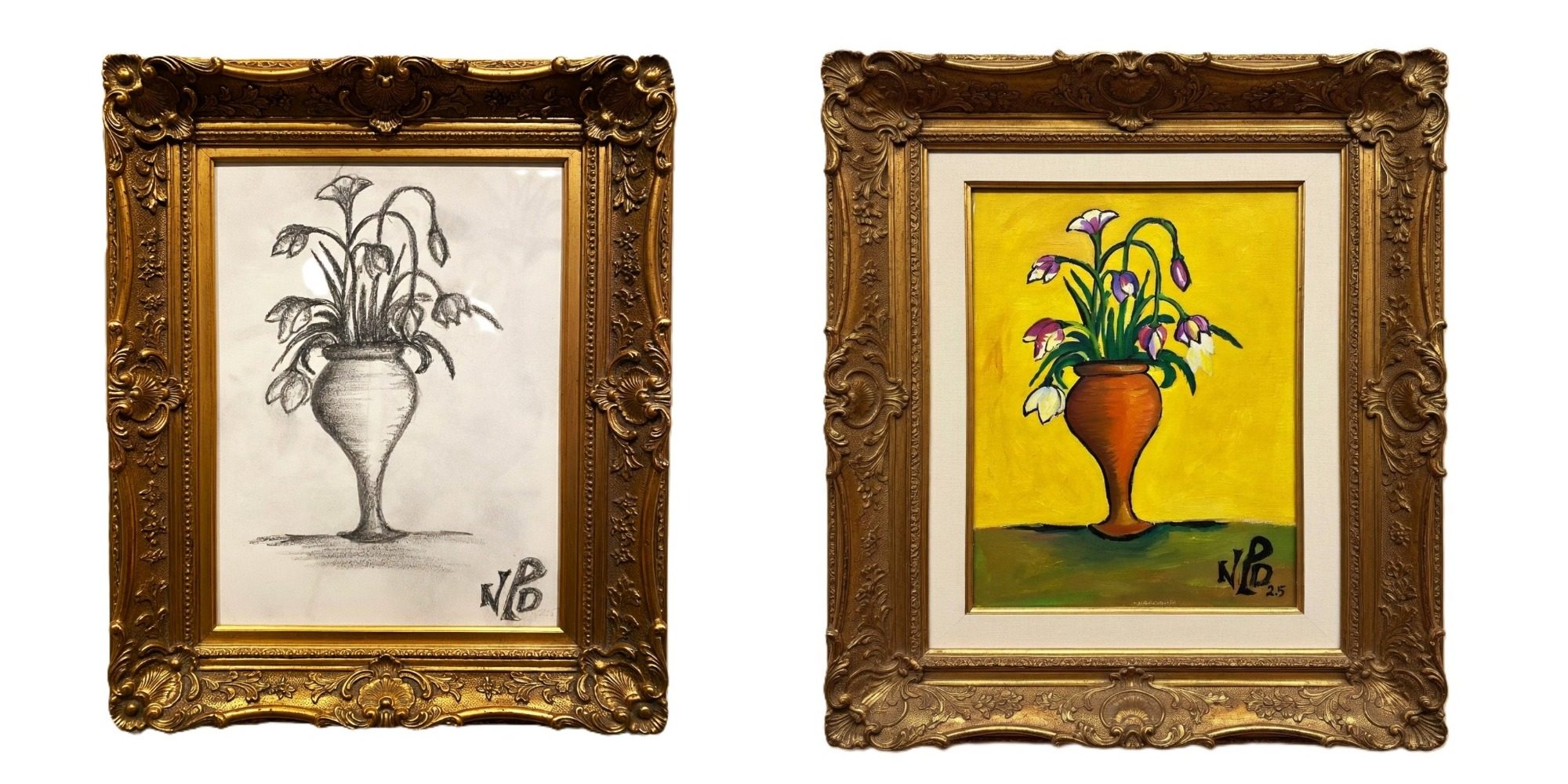
A dewdrop on some canvas
Dewdrop on Some Canvas: A Metaphoric Representation of the Last Moments of the Night and the Beginning of a New Day
Original pencil croquis and digital painting
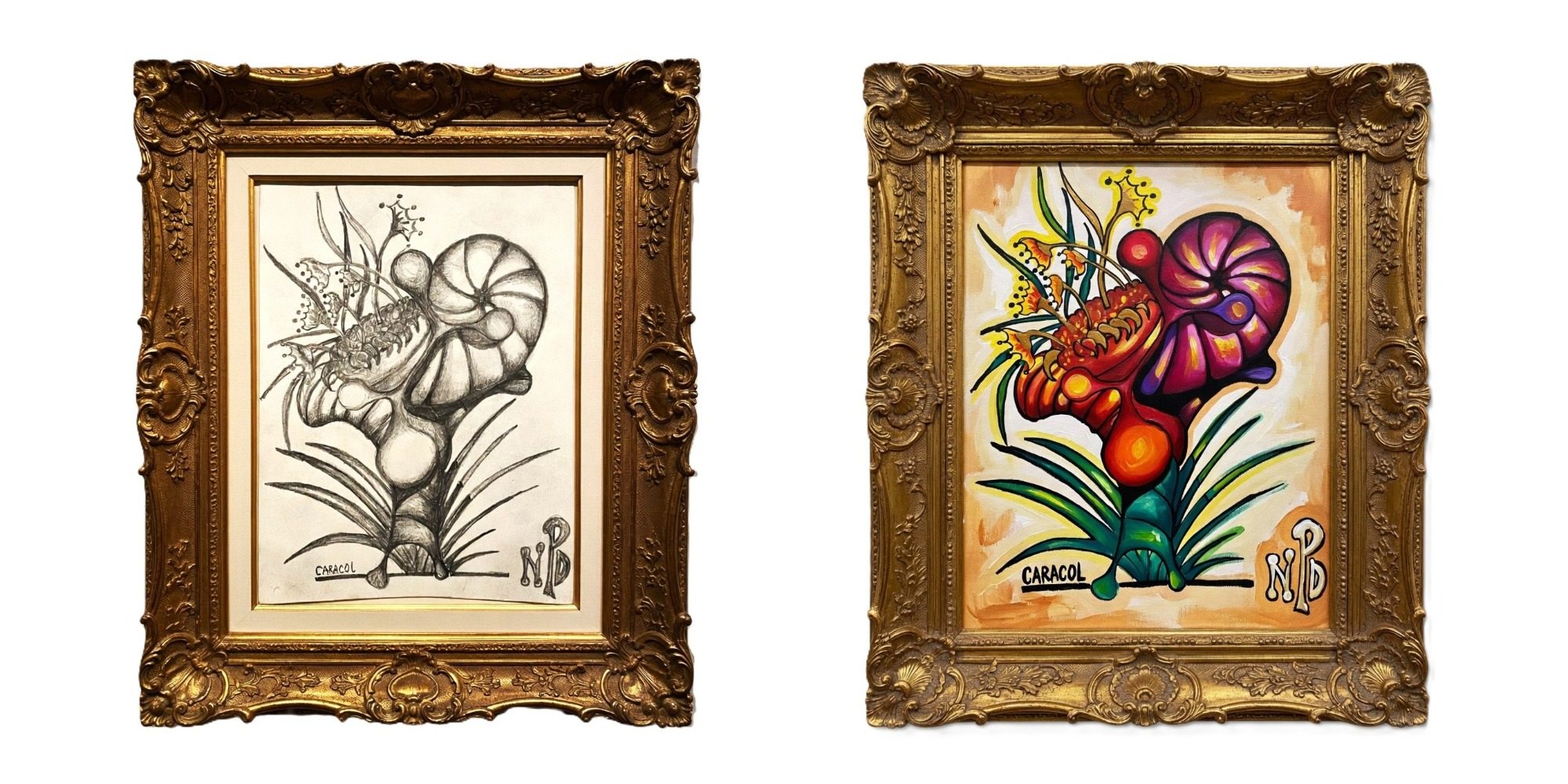
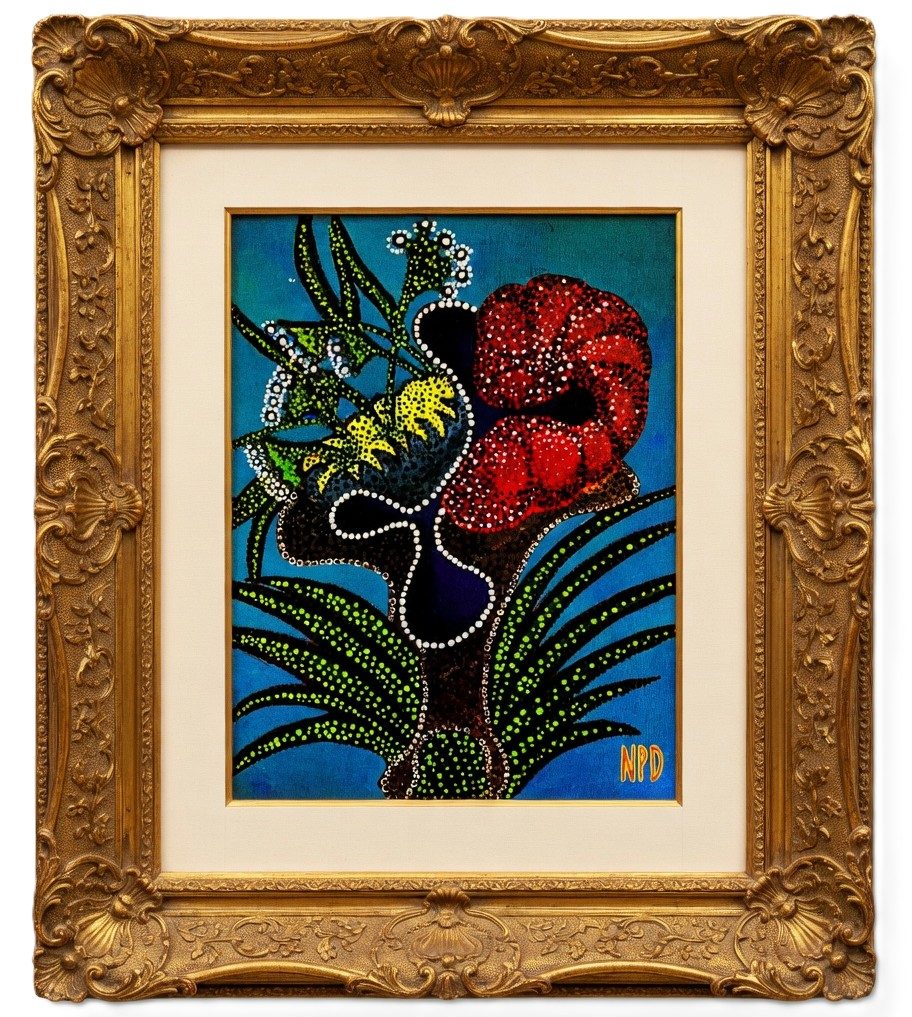
CARACOL
They say the snail is the only animal that never feels nostalgia...
CARACOL
They say the snail is the only animal that never feels nostalgia for its home because it carries it on its back. This image embodies that idea, surrounded by the fleeting beauty of nature’s ever-changing moments.
SOLD
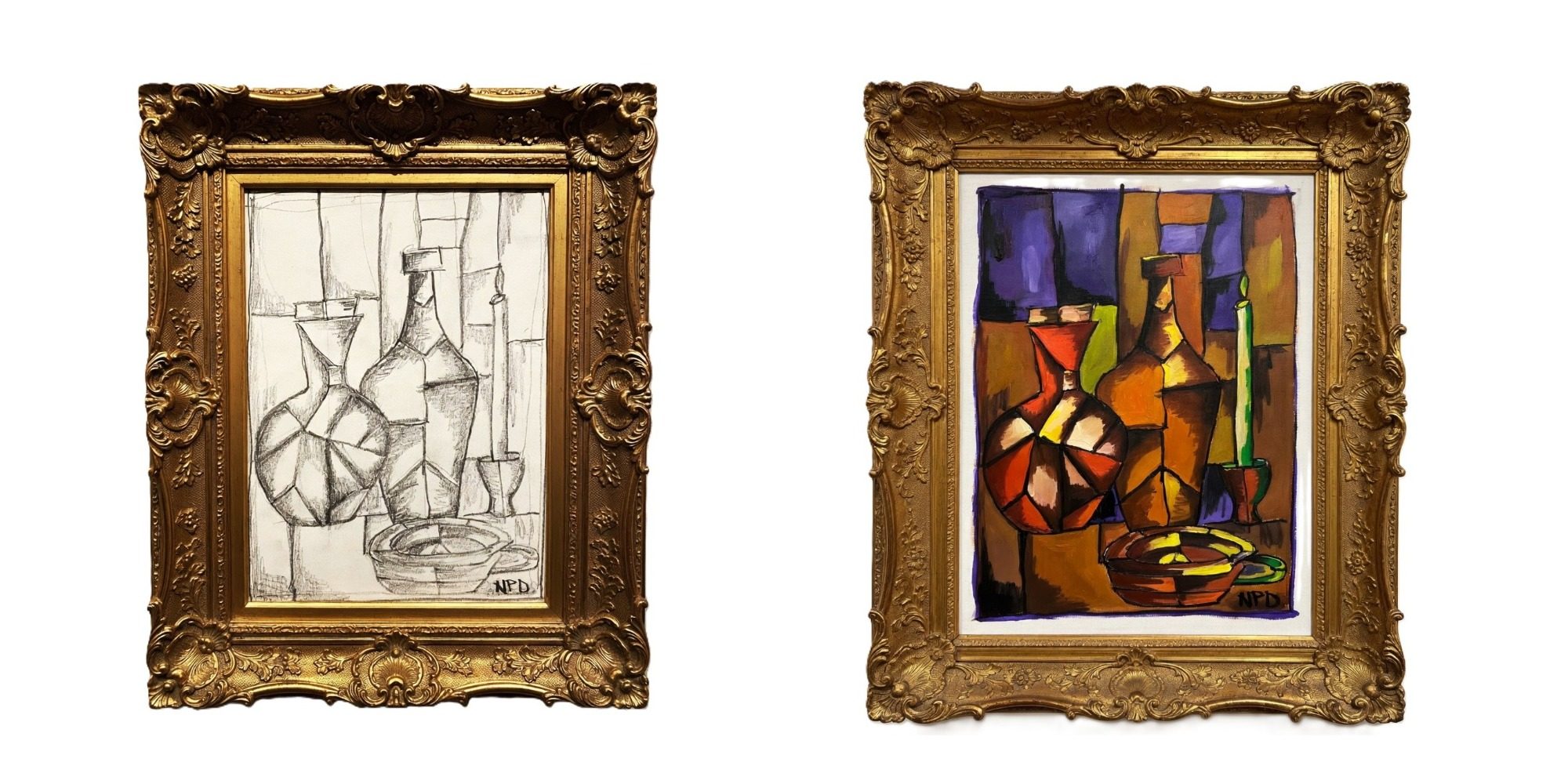
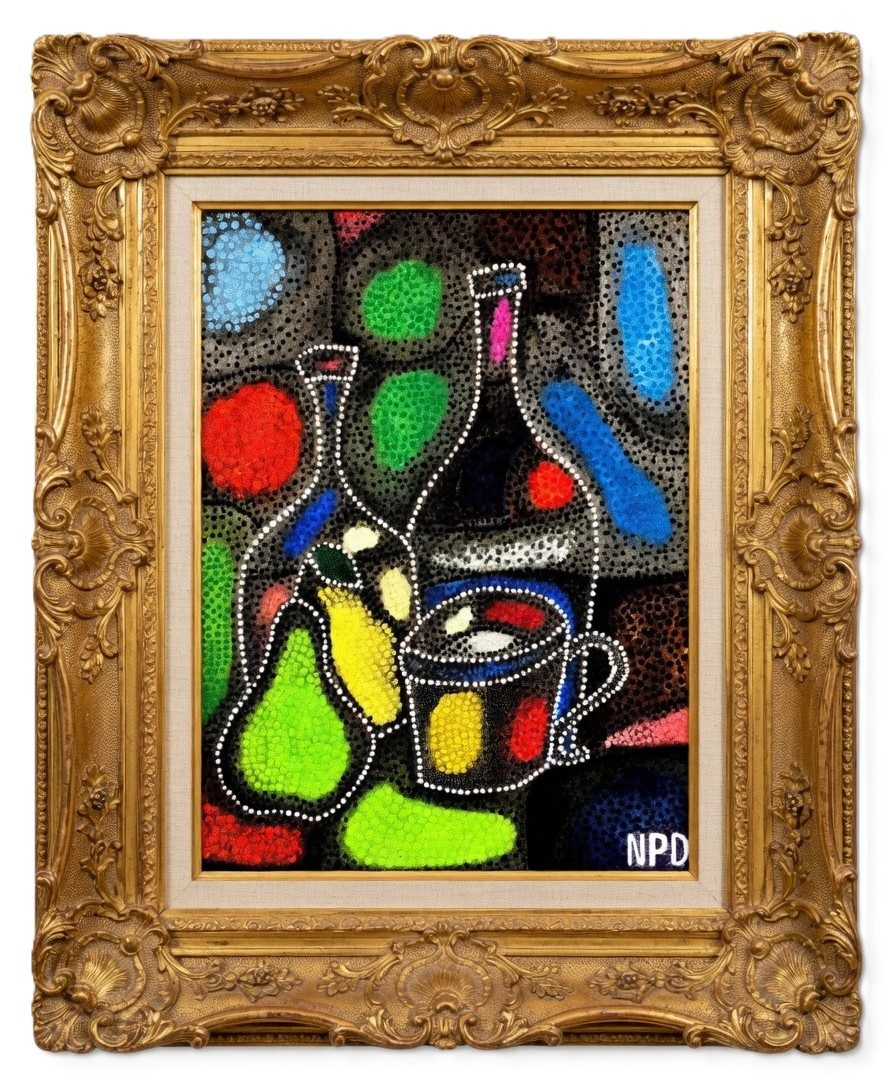
Original pencil croquis and digital painting
The idea that the shape changed to become The Pear of Discord
The croquis that became an acrylic on canvas, titled The Pear of Discord: Contemporary Cubism at Play
The Pear of Discord
This painting challenges the visual logic of harmony—the mathematical rule that suggests three similar forms must belong together. Here, a solitary pear disrupts that equation. Rendered in pointillist strokes, it stands both familiar and estranged, a still life caught in temporal dissonance. The composition becomes an anachronism of form: a fruit that refuses to conform, a symbol of quiet rebellion nestled within a fractured family of shapes.
SOLD: Acrylic on Canvas, 20 x 16 in.
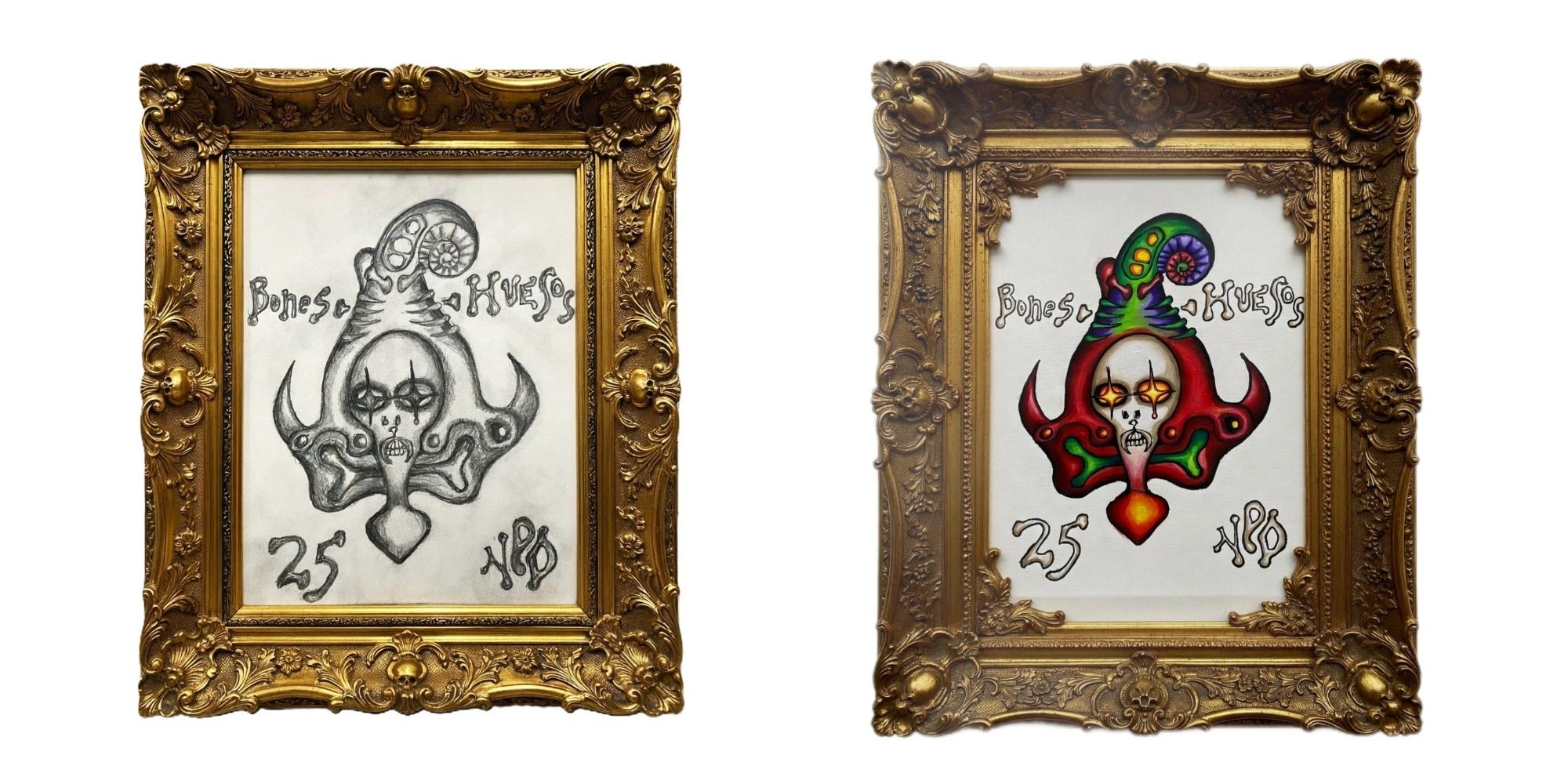
Original pencil croquis and digital painting
BONES / HUESOS
I am remembering 'Bones / Huesos,' the short story Edgar Allan Poe wanted to write
Original pencil croquis and digital painting
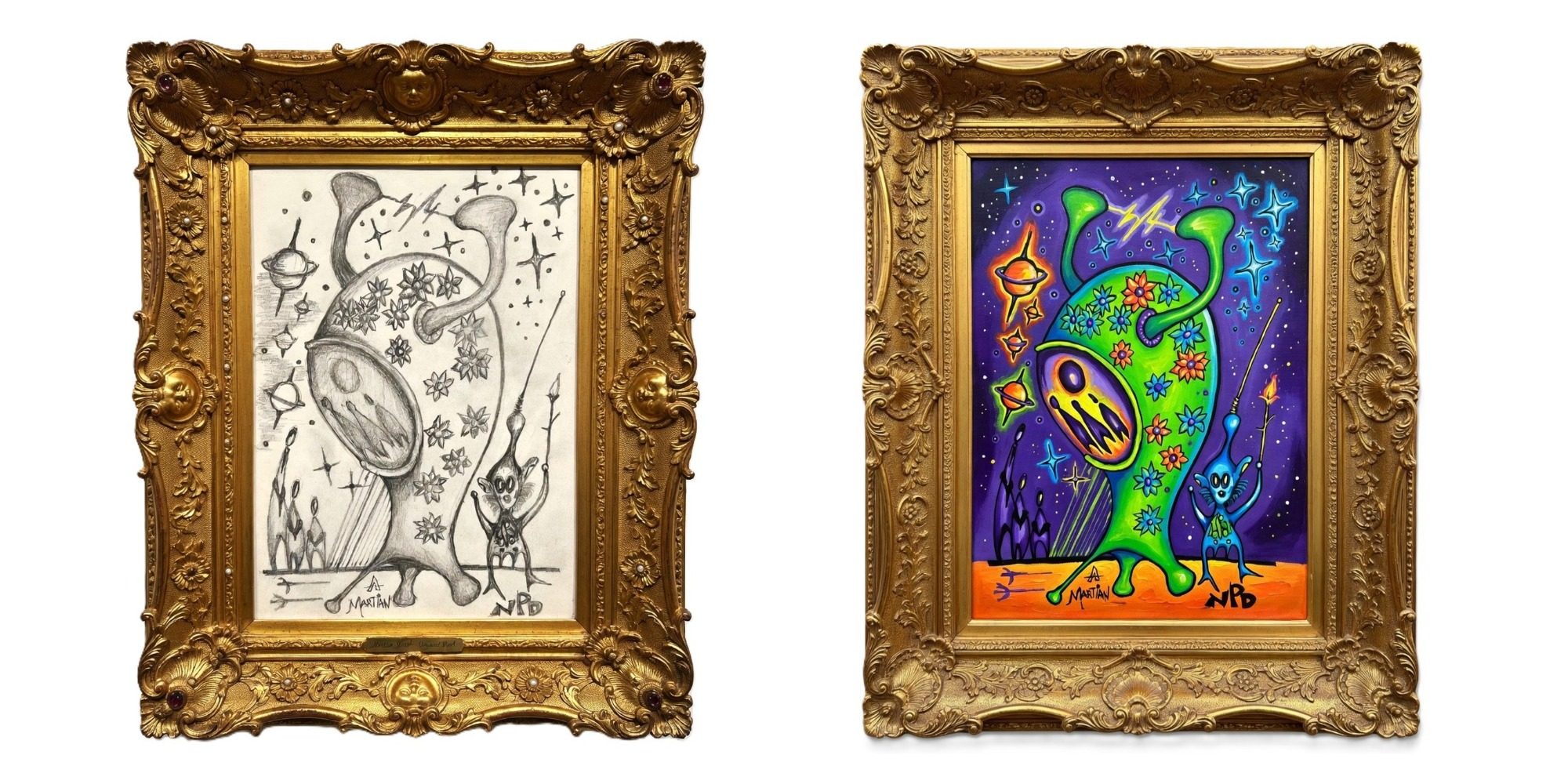
The Martians
This idea was inspired by the lyrics of a Cuban song that says: 'The Martians already arrived and they came dancing cha-cha-cha
Original pencil croquis and digital painting
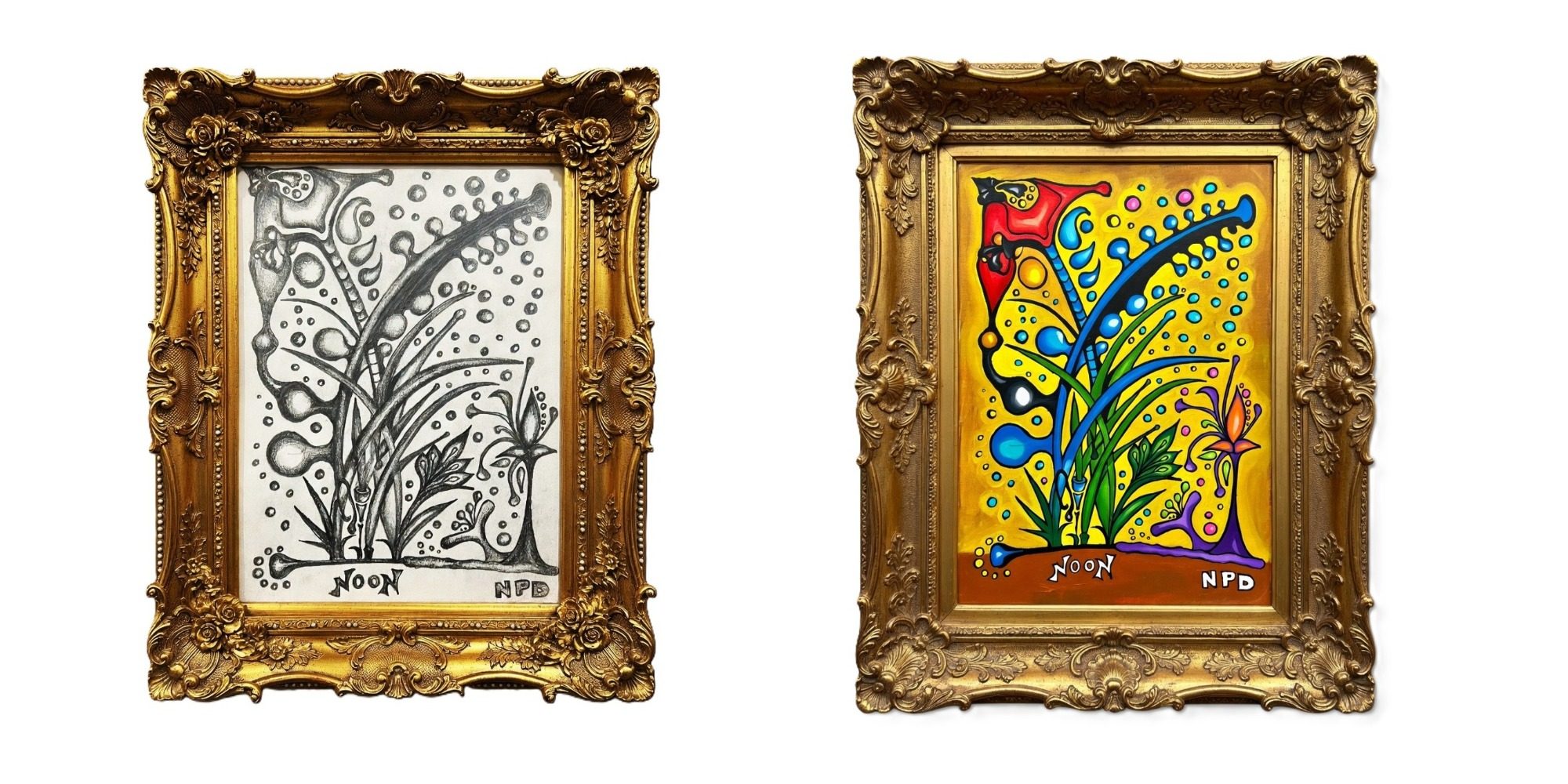
The idea for this croquis was inspired by the fact that at noon there is no shadow
Noon is the time of day when the sun is at its highest point in the sky (midday). It marks the middle of the day, dividing the morning from the afternoon. At noon, the sun reaches its zenith, meaning it is directly overhead or at its maximum elevation for that location, resulting in the shortest shadows of the day.
Original pencil croquis and digital painting
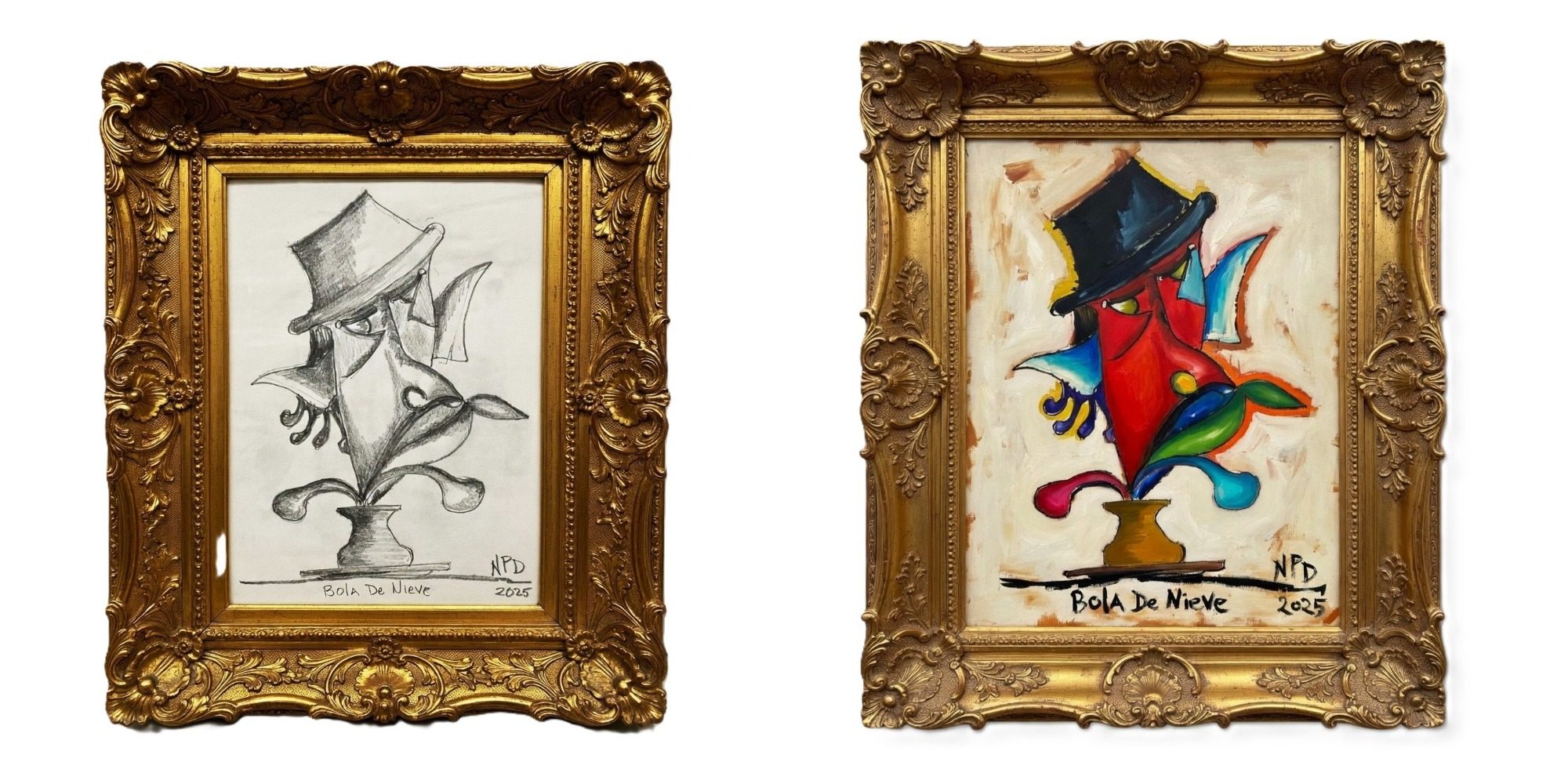
Bola de Nieve
This croquis is a heartfelt homage to the legendary Cuban singer Bola de Nieve. Through its lines and shades, it captures the essence of his soulful voice and charismatic presence. Each stroke reflects the rhythm and passion that Bola de Nieve brought to his music, celebrating his unique blend of Cuban melodies and heartfelt emotion. This tribute not only honors his artistic legacy but also evokes the timeless spirit of Cuban culture that he so beautifully embodied.
Original pencil croquis and digital painting
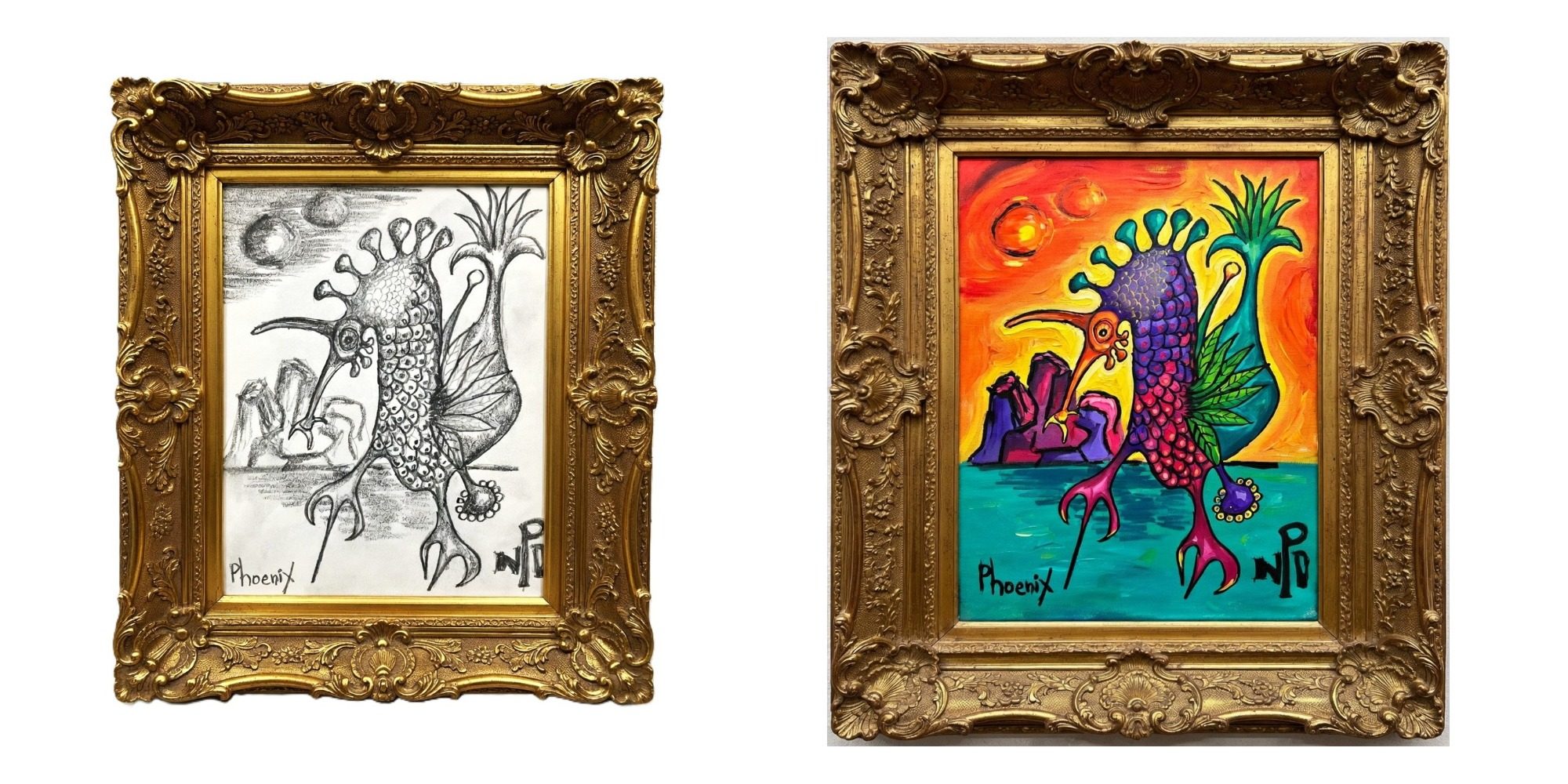
Phoenix
Before the phoenix sees its ashes, this croquis captures the majestic creature in a moment of fiery grace and impending transformation. Wings spread wide, flames flickering along its feathers, the phoenix stands poised on the edge of rebirth. This sketch embodies the powerful cycle of life, death, and renewal—an eternal dance where the end is but a new beginning. It is a visual ode to resilience, hope, and the timeless spirit that rises from the ashes.
Original pencil croquis and digital painting
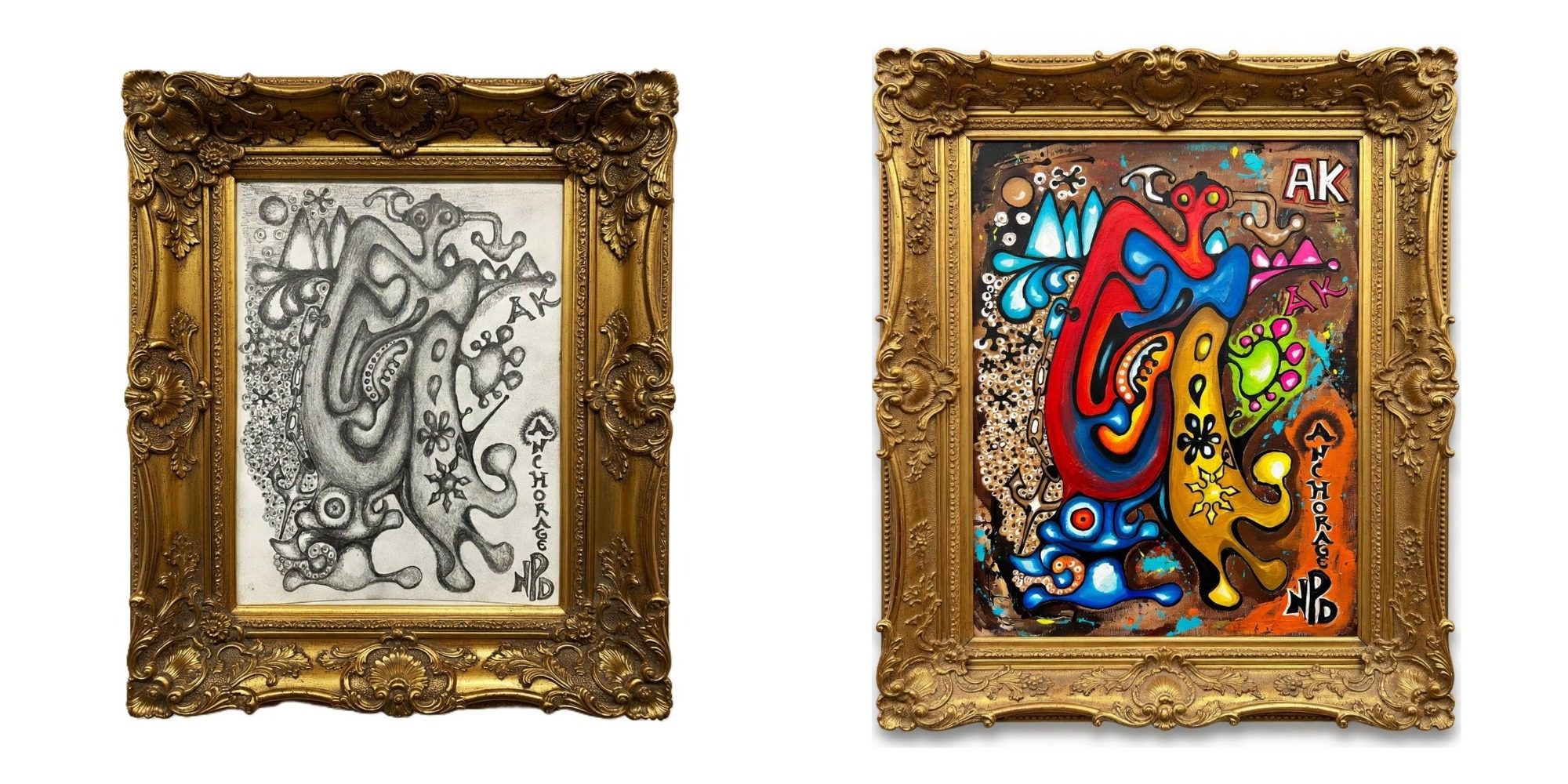
Anchorage
This sketch offers an abstract glimpse into a city I love: Anchorage, Alaska. From the towering mountains that frame its horizon to the intricate complexities of its urban life, the artwork captures the spirit of Anchorage in a unique, expressive way. Through bold lines and shapes, it reflects both the rugged natural beauty and the vibrant energy that coexist in this remarkable city. This piece is a tribute to Anchorage’s wild landscapes and the dynamic community that calls it home.
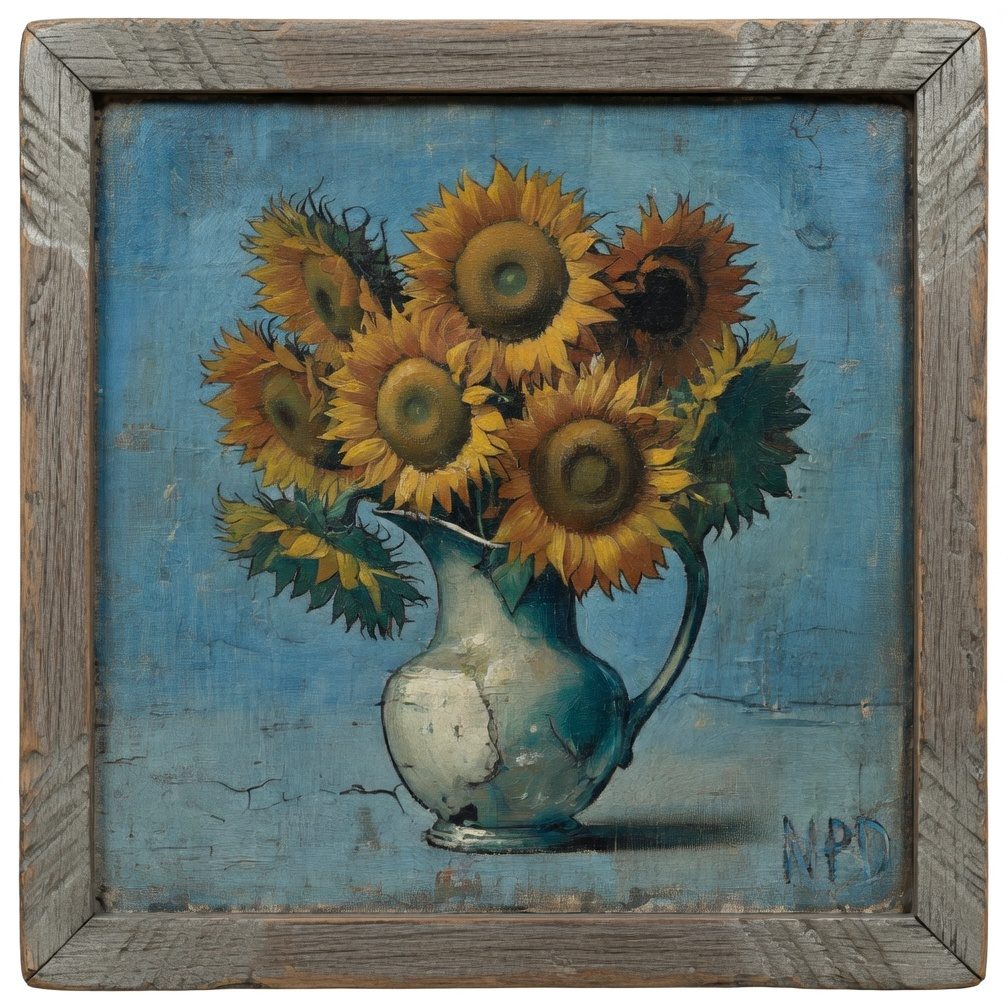
Girasoles / Sunflowers: a digital painting artwork
Digital painting is an art form where artists create artwork using digital tools such as tablets, styluses, and software that simulate traditional painting techniques. It involves manual input and creative decisions made by the artist, who controls every brushstroke, color choice, and texture.
Digital painting is not considered AI painting because it relies entirely on human creativity and skill rather than artificial intelligence algorithms generating or assisting in the creation process. AI painting involves machines or software autonomously producing images based on data and patterns, whereas digital painting is a direct extension of the artist’s hand and vision in a digital medium.
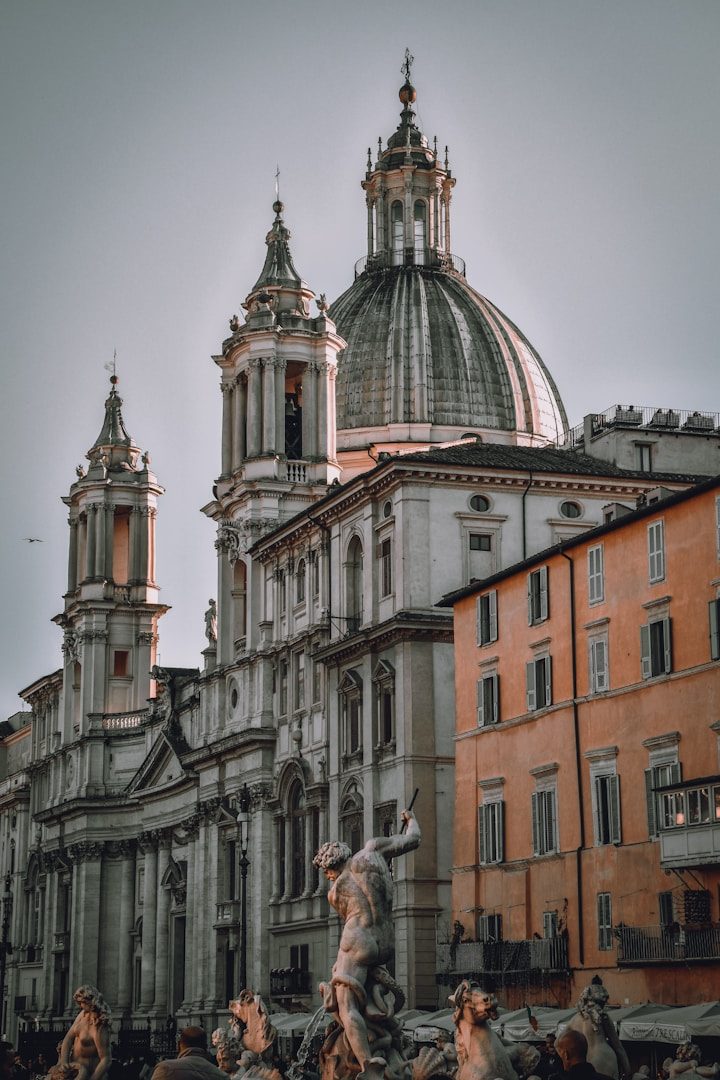
ARCHITECTURE
Ornamental
Artistry
Discover the creative world of Noel P. Delgado. Visit the linked page for his full professional résumé.
linkedin: noel-p-delgado
S A M P L E OF W O R K
HOSPITALITY
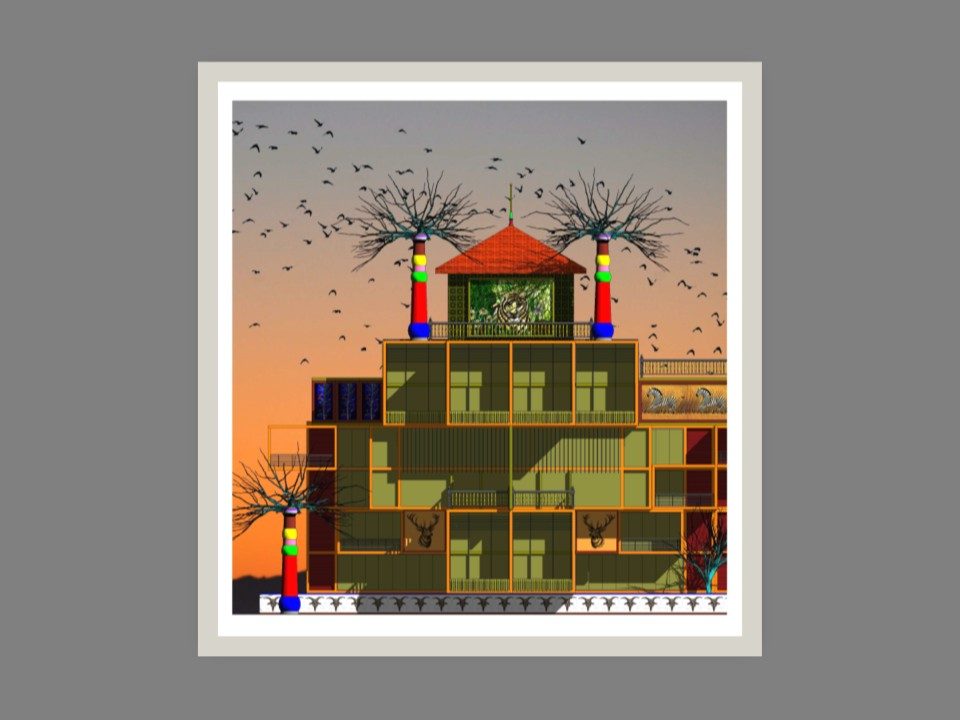
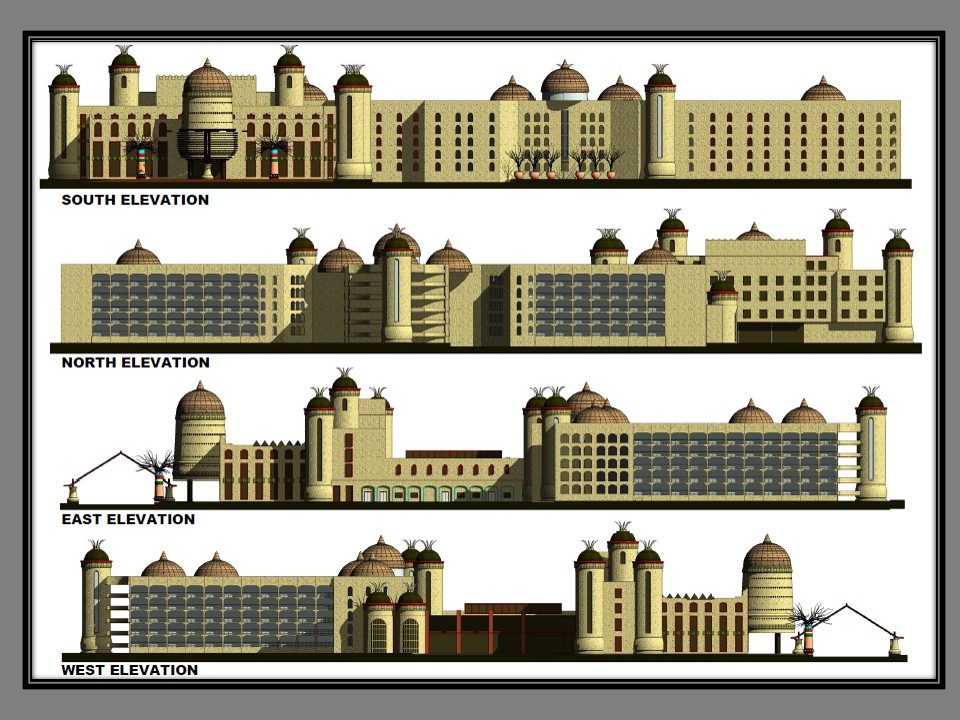
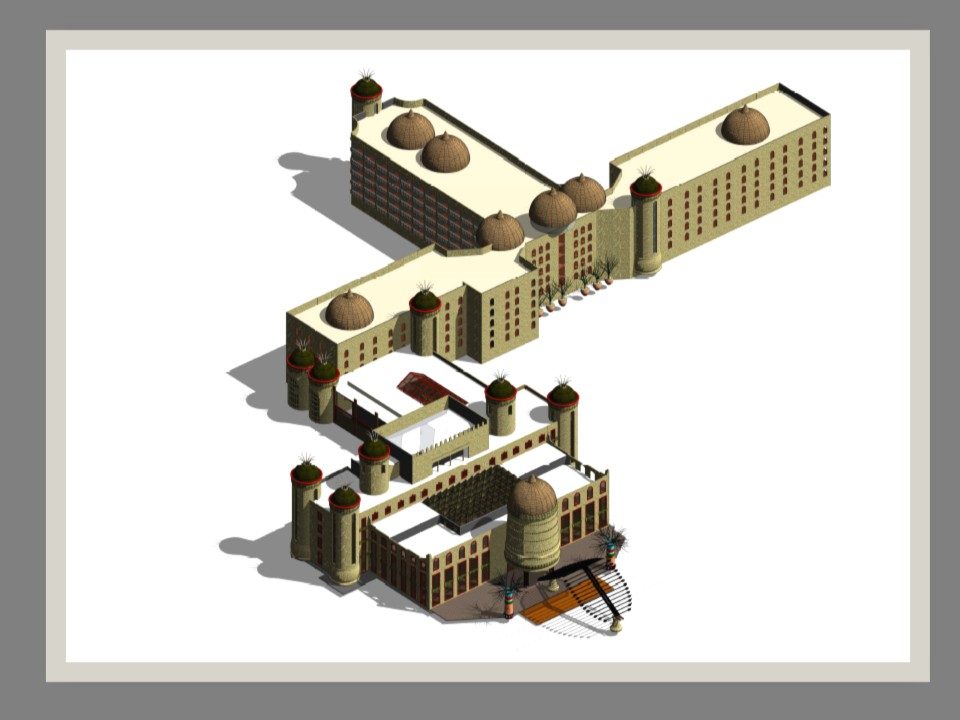
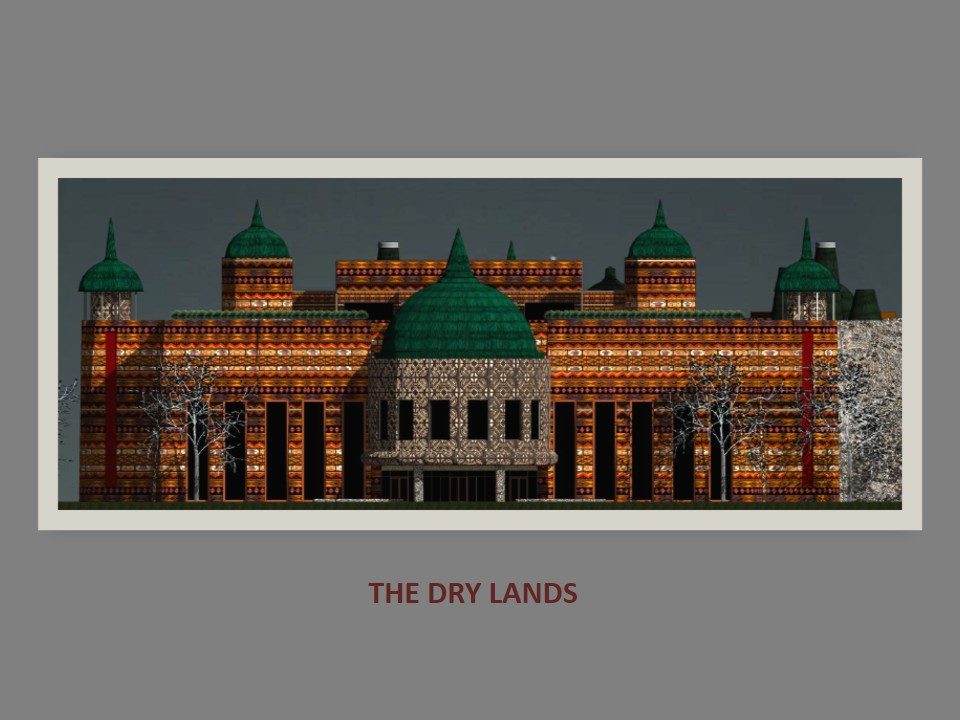
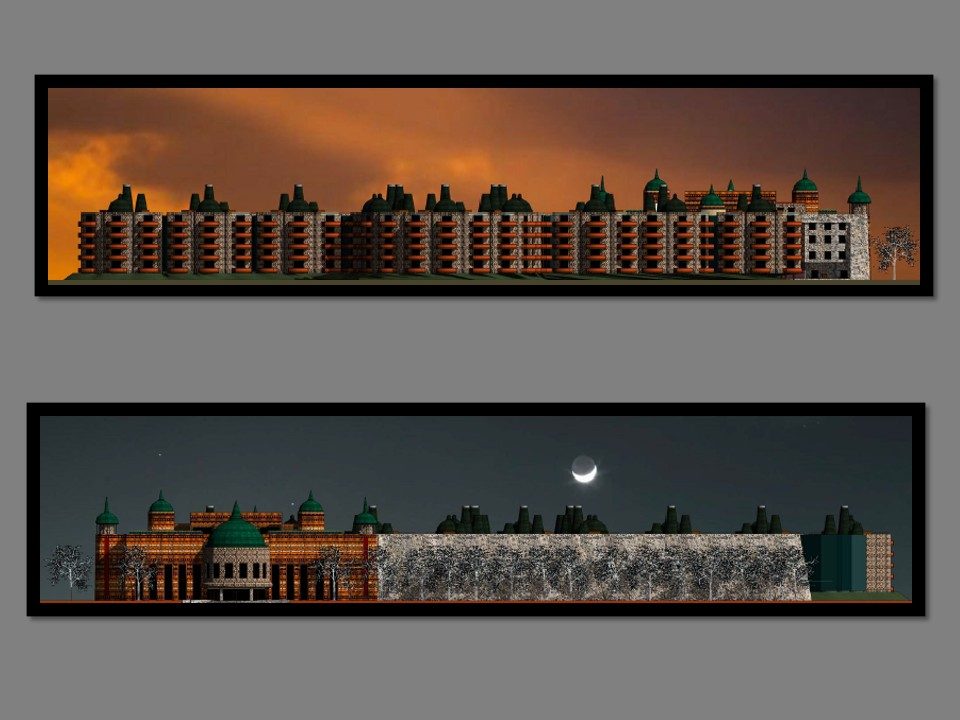
ZOO SAFARI PARK HOTEL
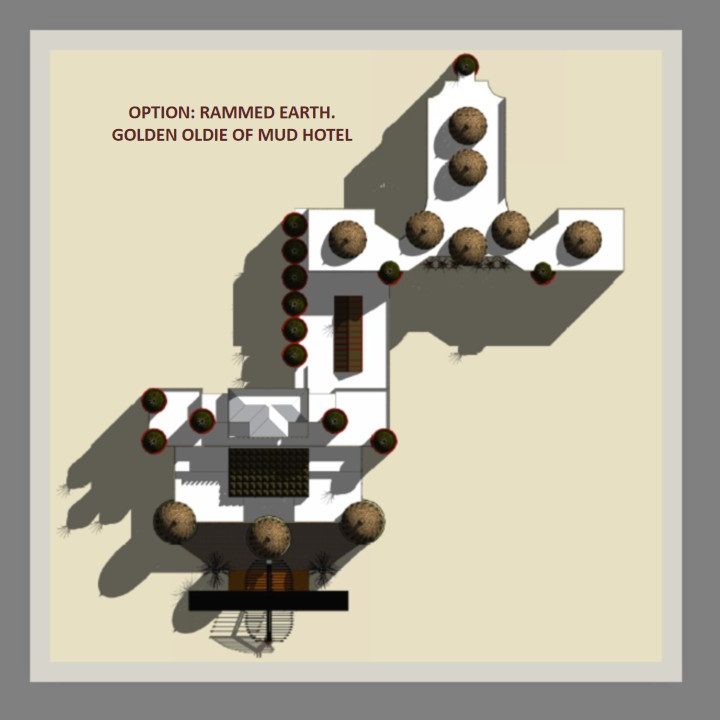
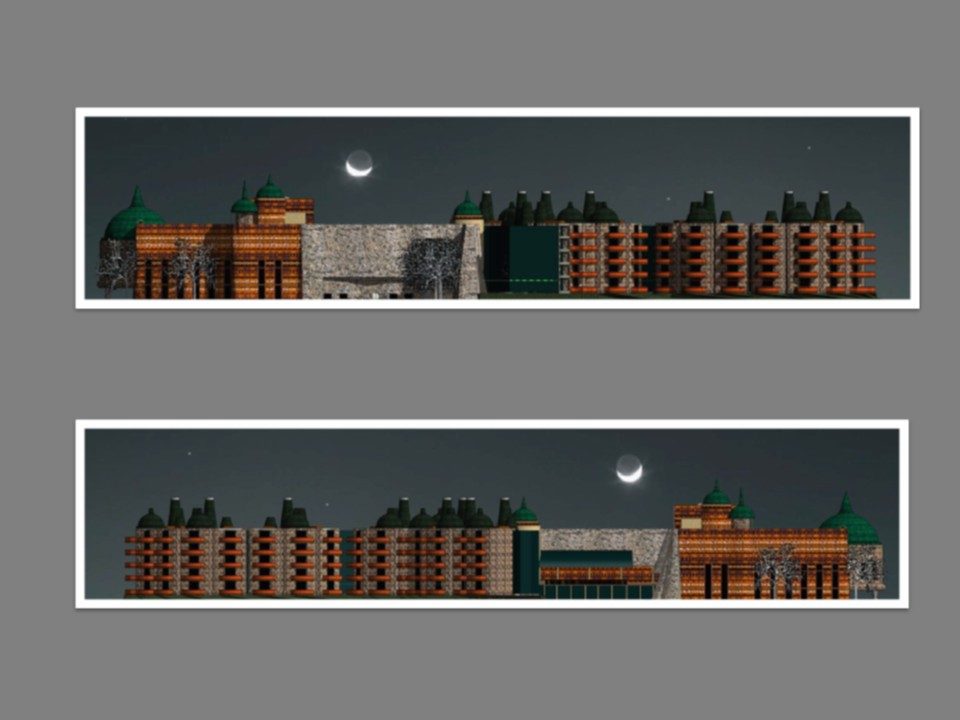
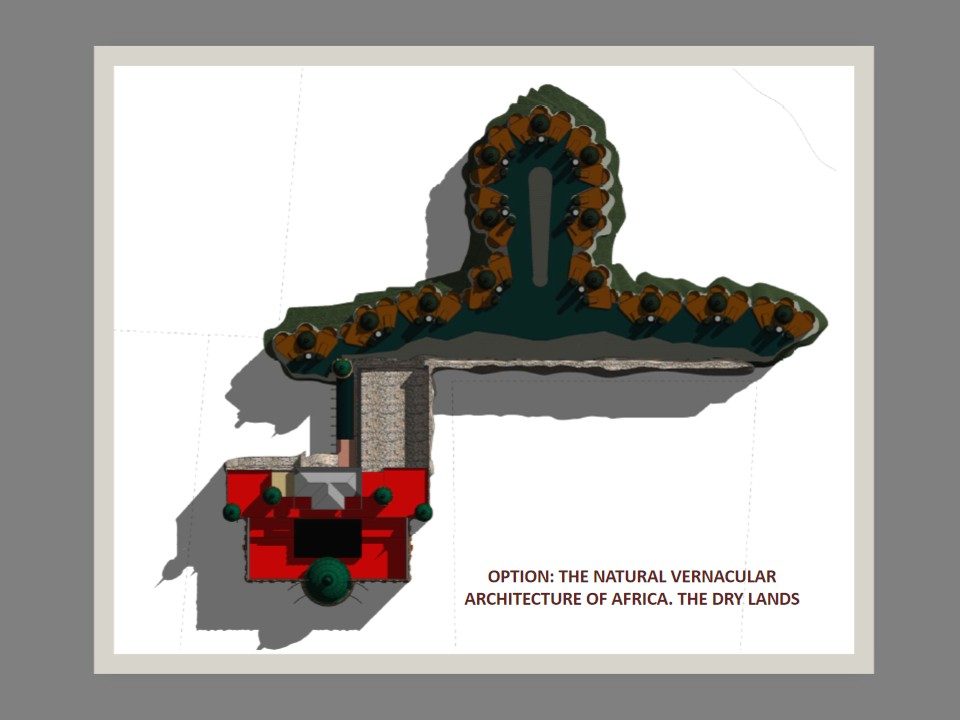
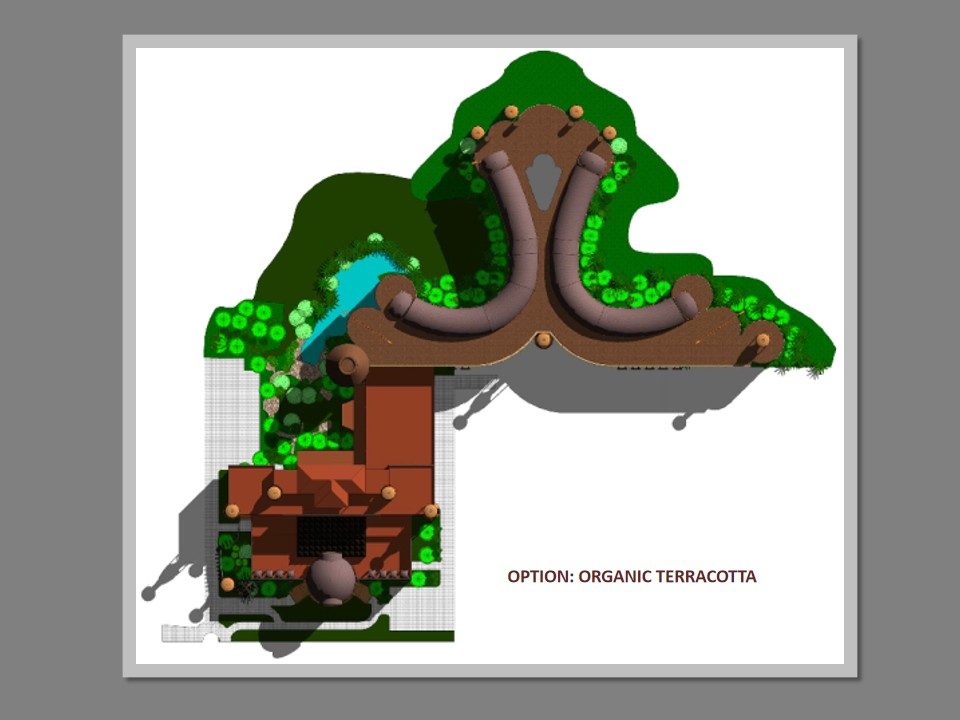
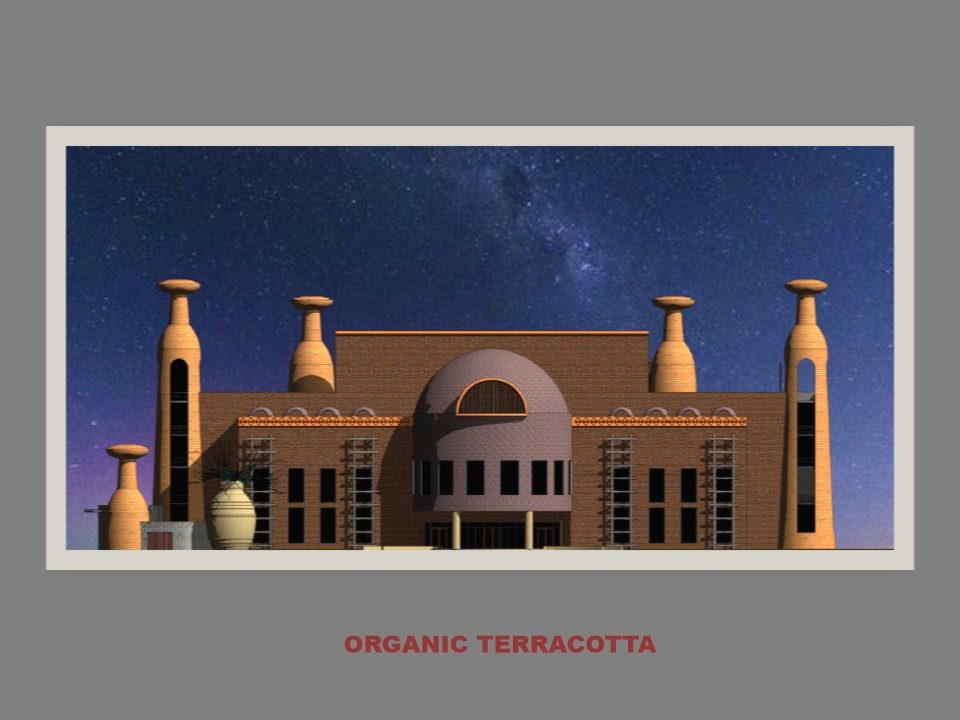
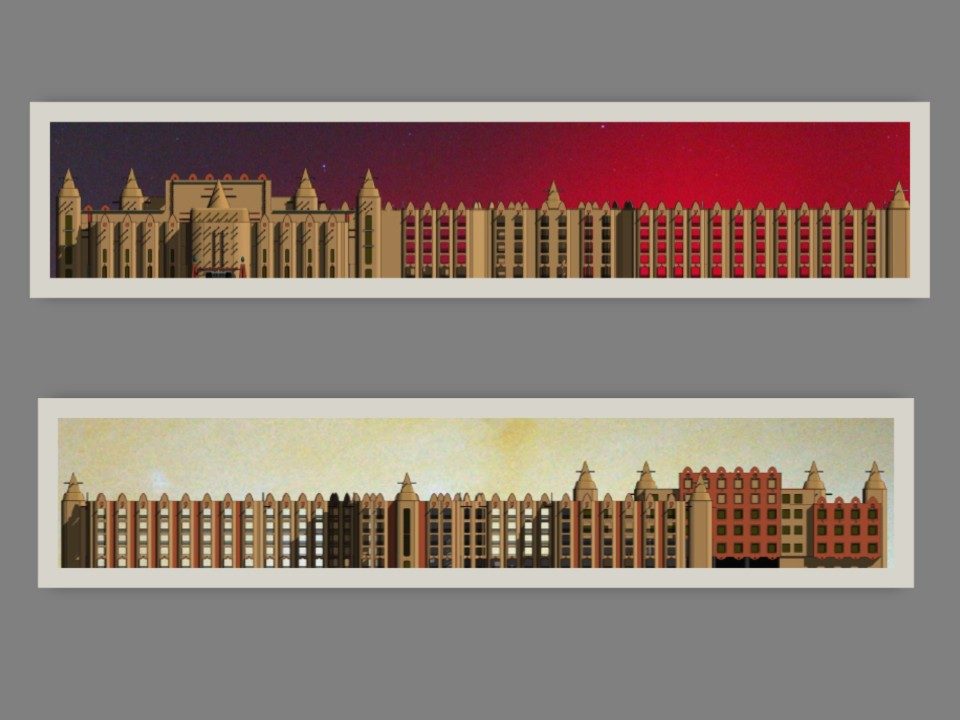
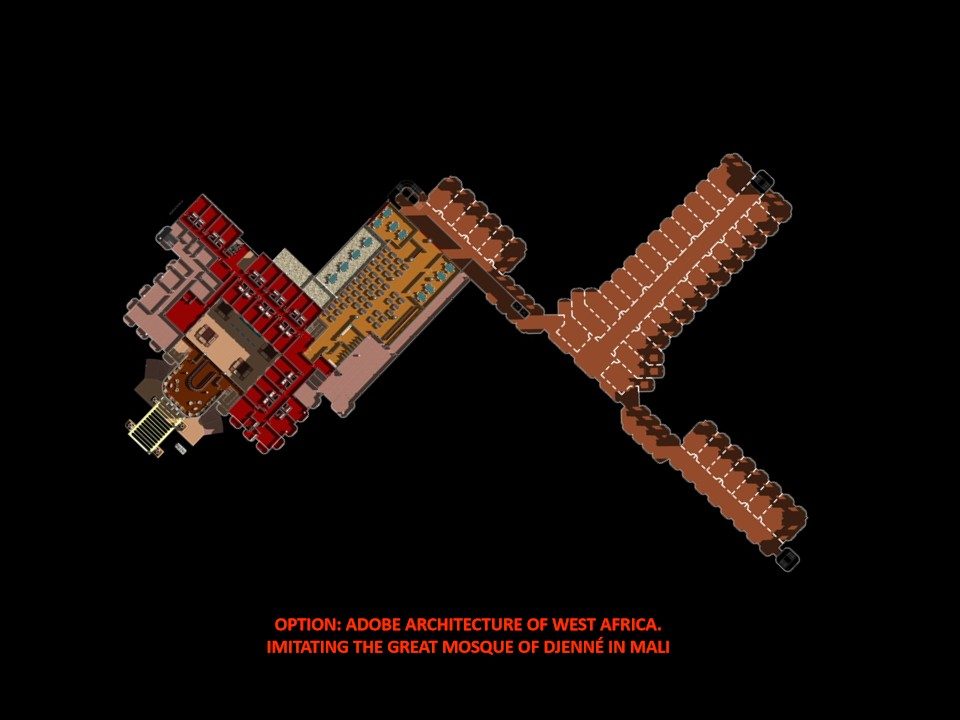
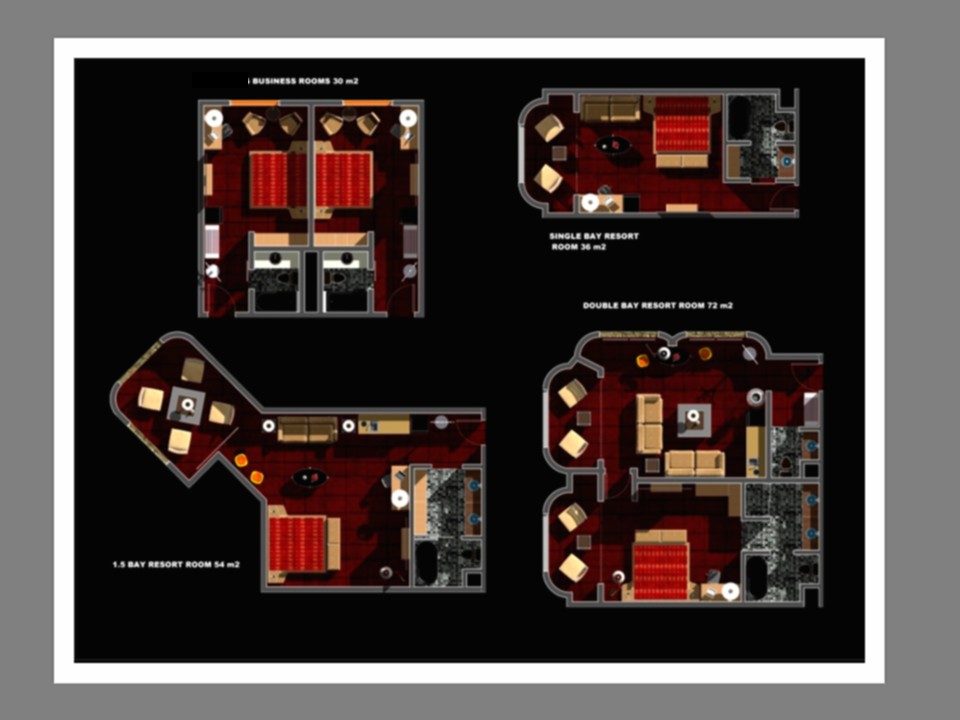
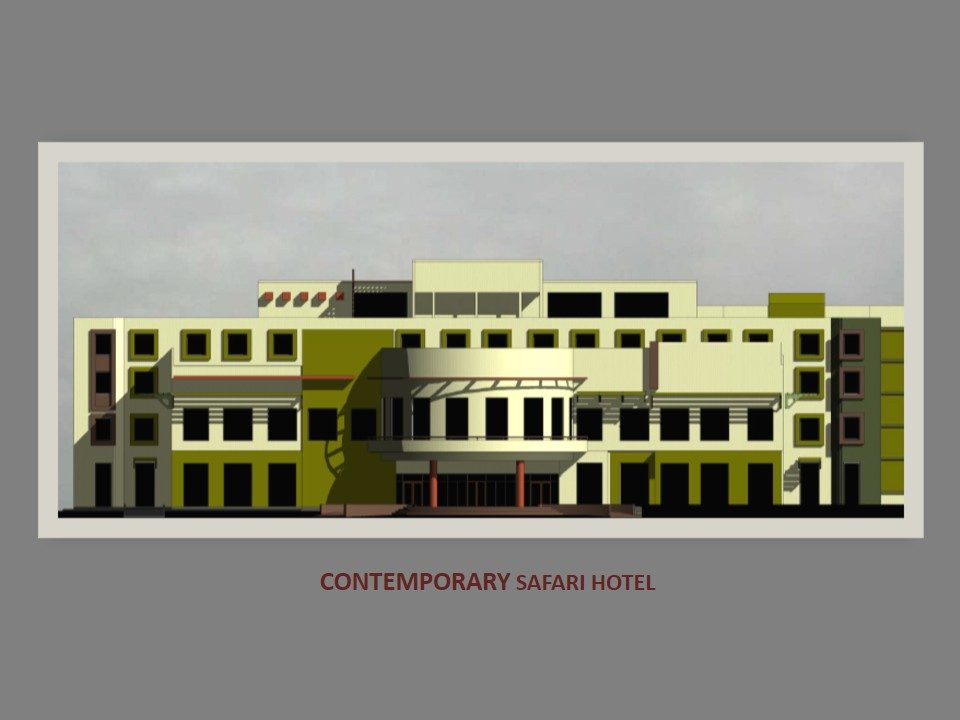
The images shown are part of a conceptual-phase project. Multiple design options were developed at the client’s request to explore different visual expressions suitable for the Zoo’s environment. Each option was created using pre‑selected photo references.
Delivered in July 2015 and produced with Revit Architecture 2014.
ZOO SAFARI PARK HOTEL
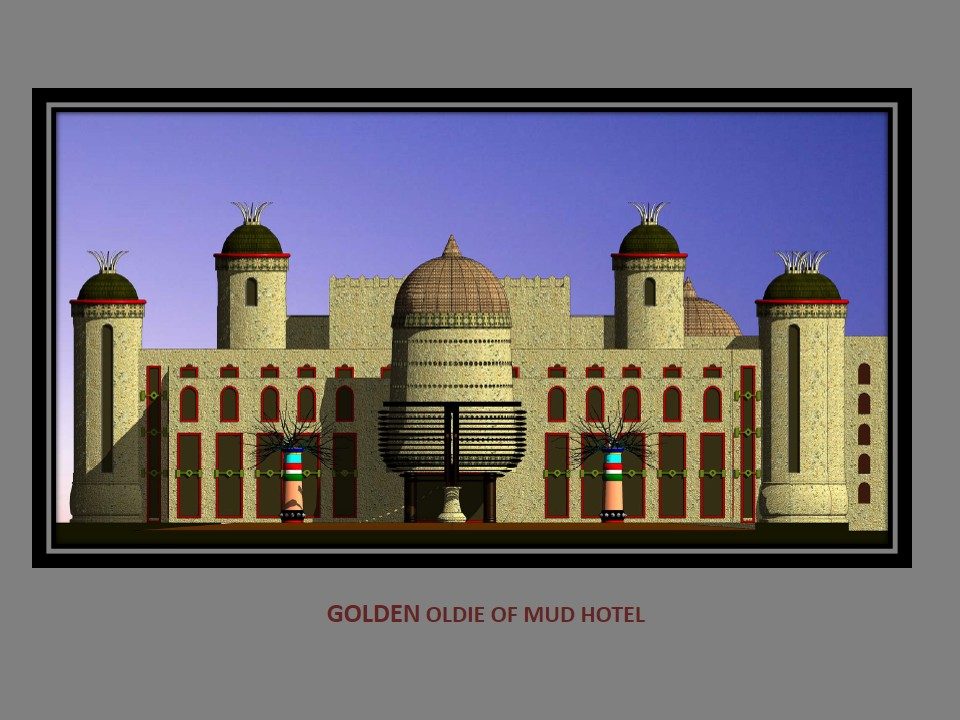
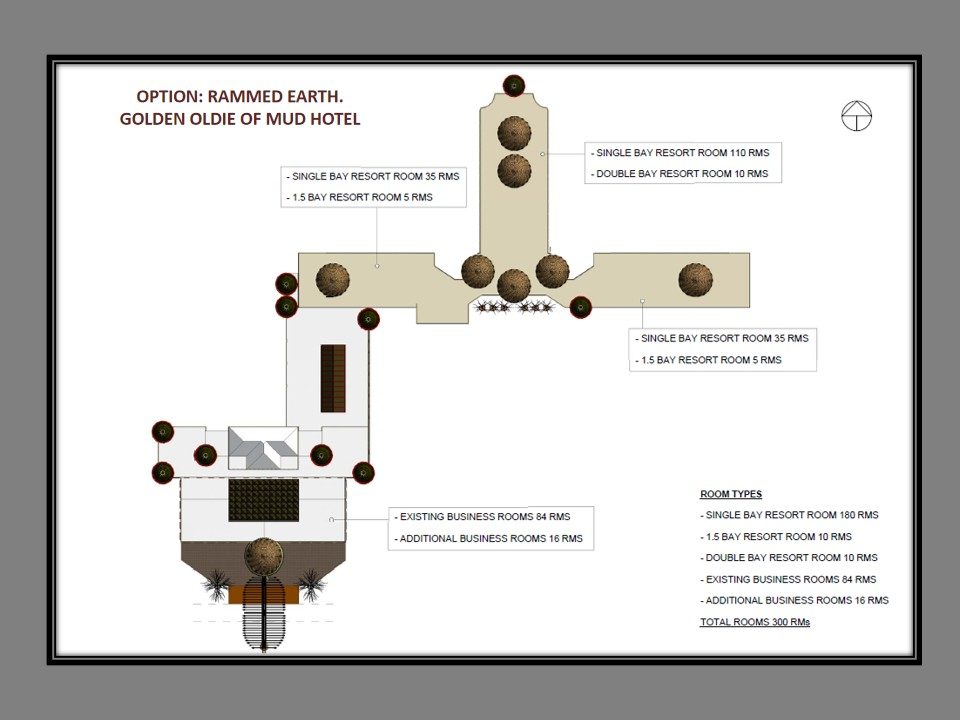
ZOO SAFARI PARK HOTEL
ZOO SAFARI PARK HOTEL
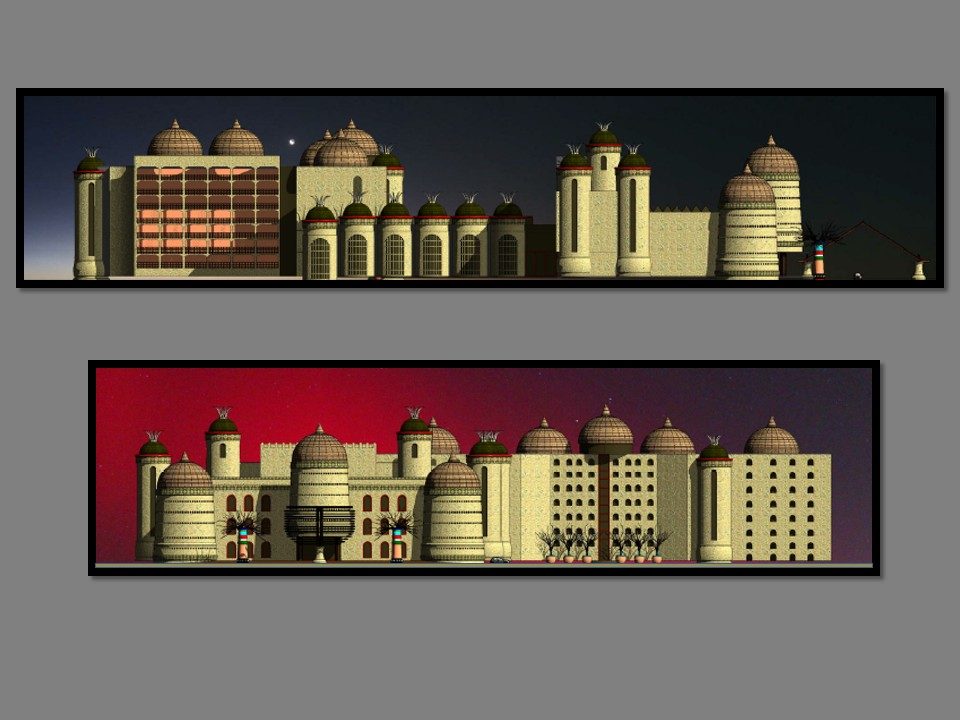
ZOO SAFARI PARK HOTEL
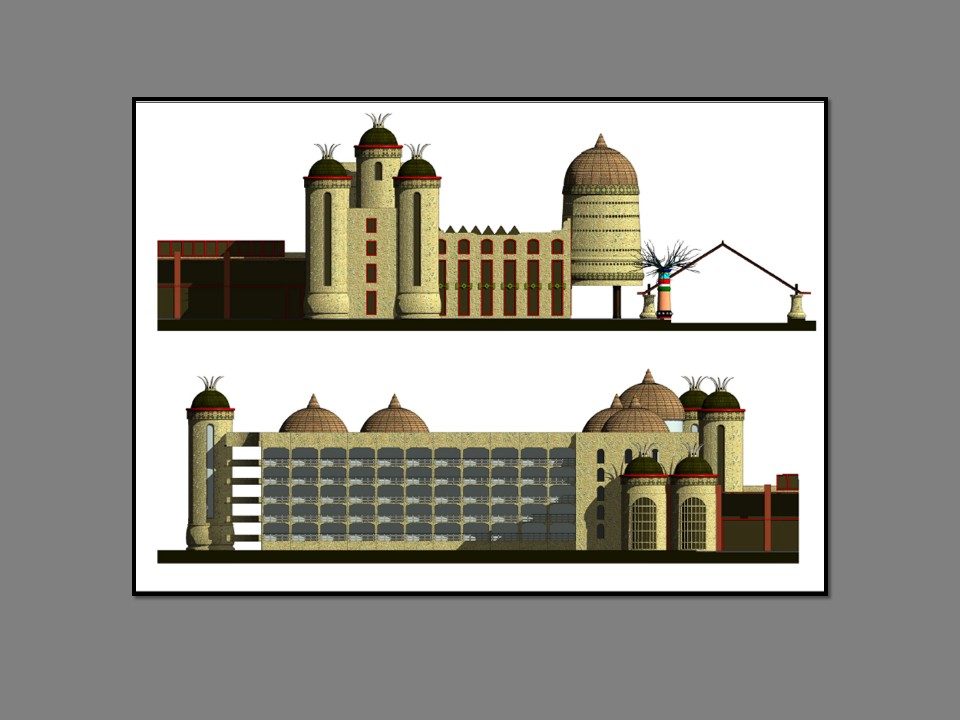
ZOO SAFARI PARK HOTEL
ZOO SAFARI PARK HOTEL
ZOO SAFARI PARK HOTEL
ZOO SAFARI PARK HOTEL
ZOO SAFARI PARK HOTEL
ZOO SAFARI PARK HOTEL
ZOO SAFARI PARK HOTEL
ZOO SAFARI PARK HOTEL
ZOO SAFARI PARK HOTEL
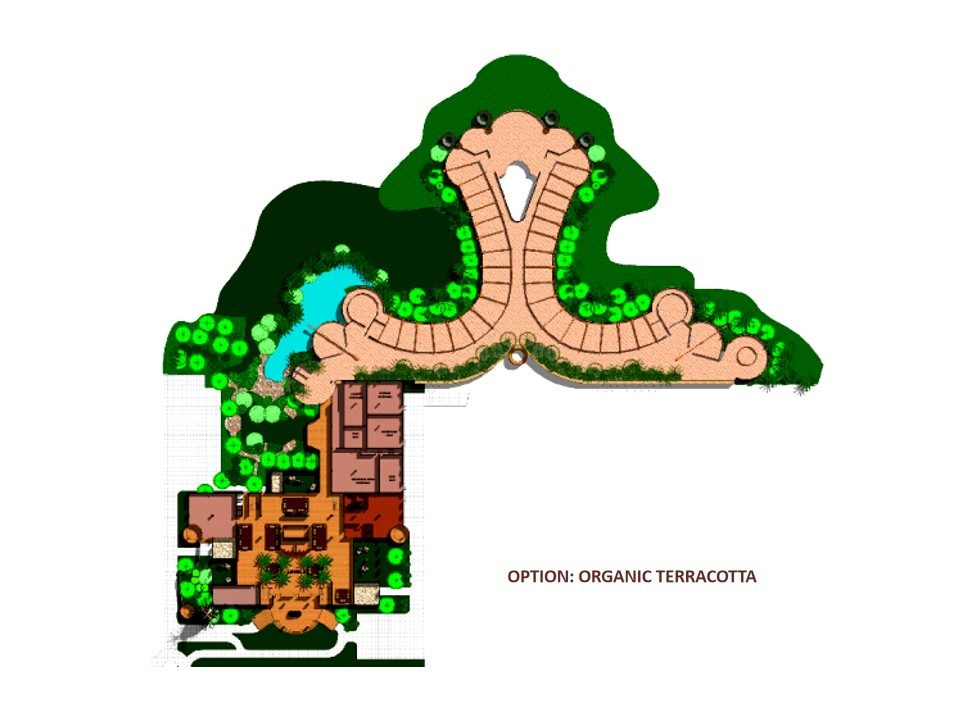
ZOO SAFARI PARK HOTEL
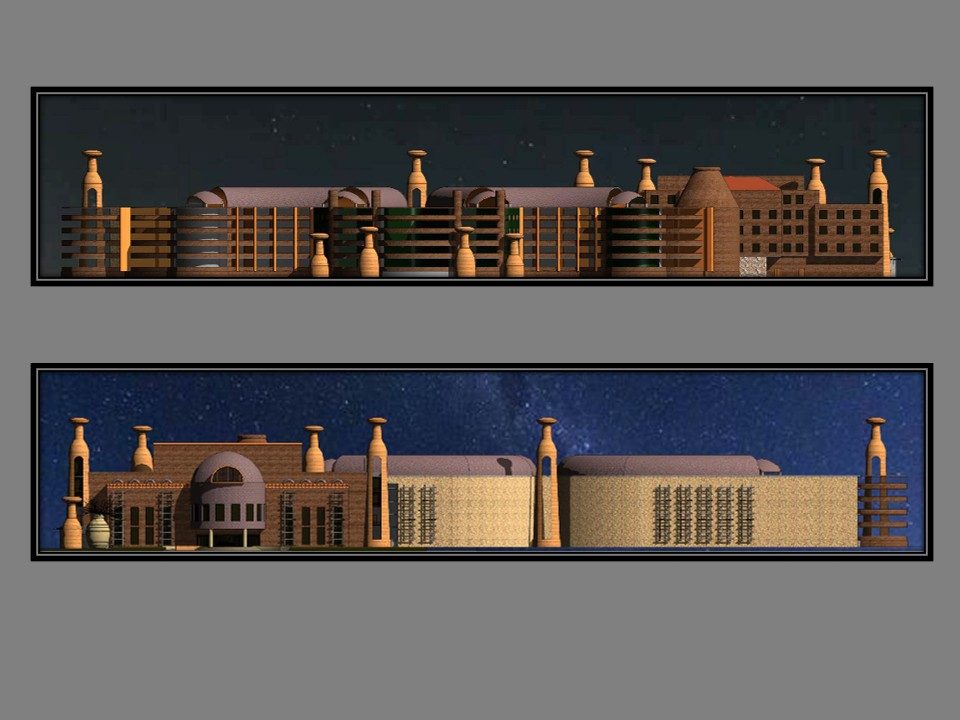
ZOO SAFARI PARK HOTEL
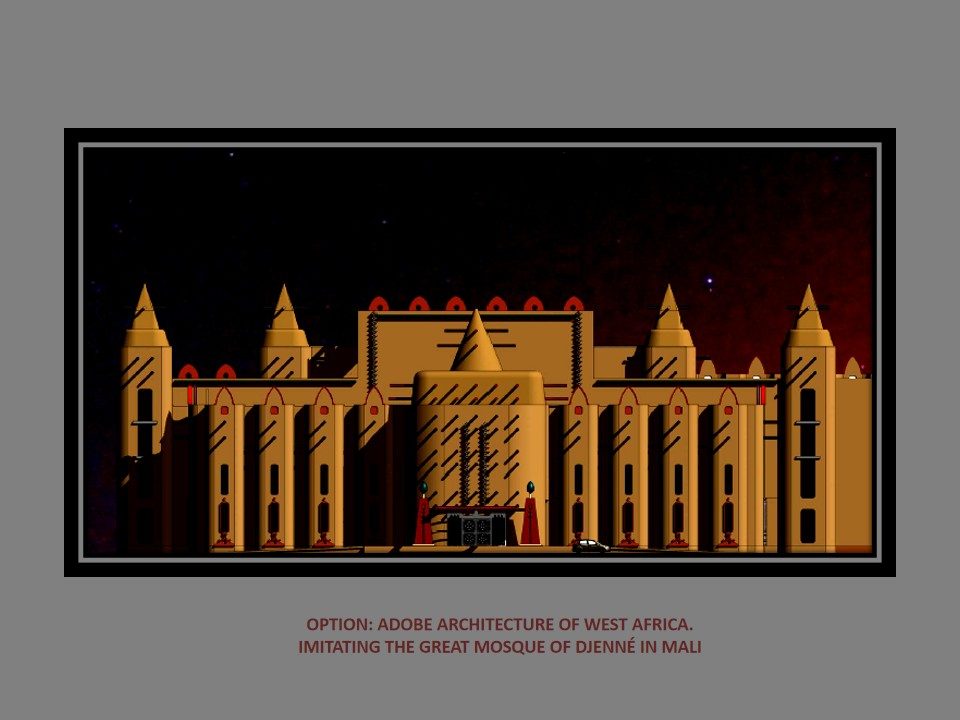
ZOO SAFARI PARK HOTEL
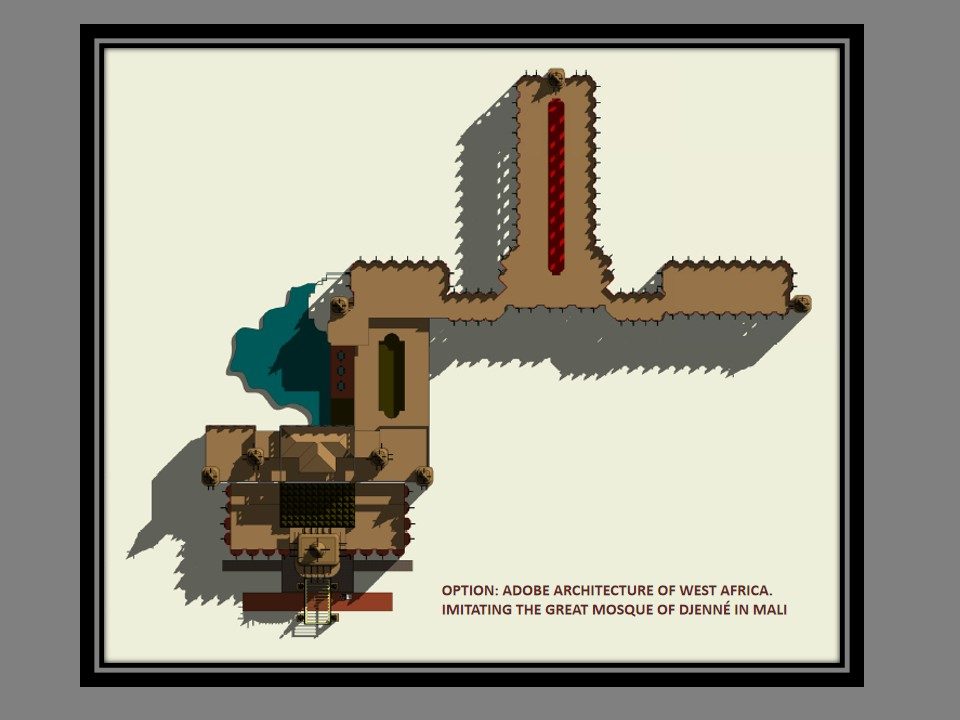
ZOO SAFARI PARK HOTEL
ZOO SAFARI PARK HOTEL
ZOO SAFARI PARK HOTEL
ZOO SAFARI PARK HOTEL
ZOO SAFARI PARK HOTEL
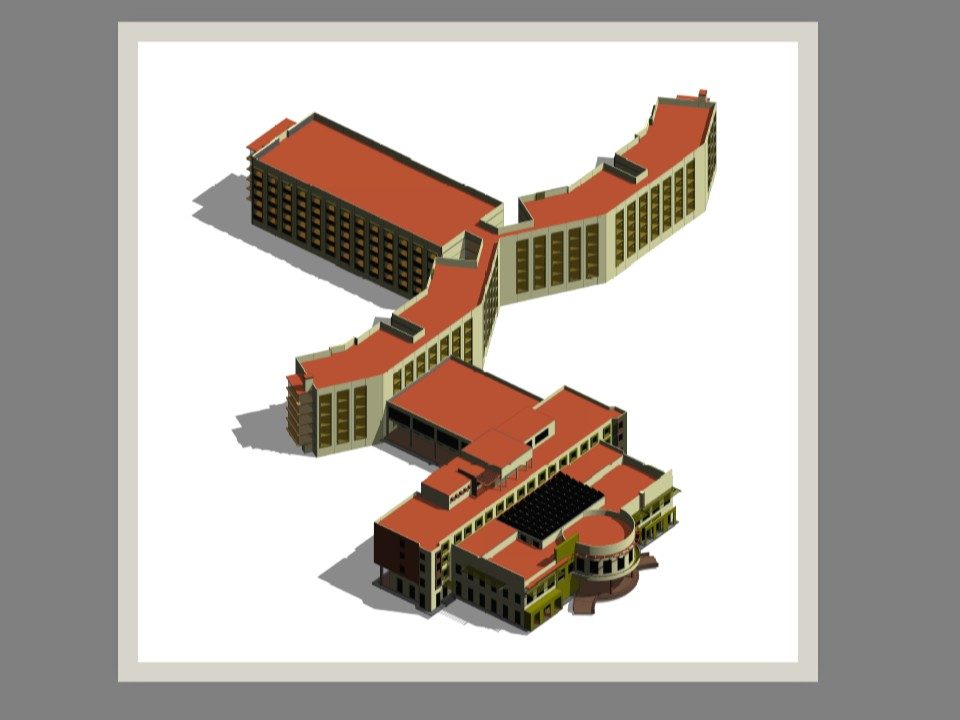
ZOO SAFARI PARK HOTEL
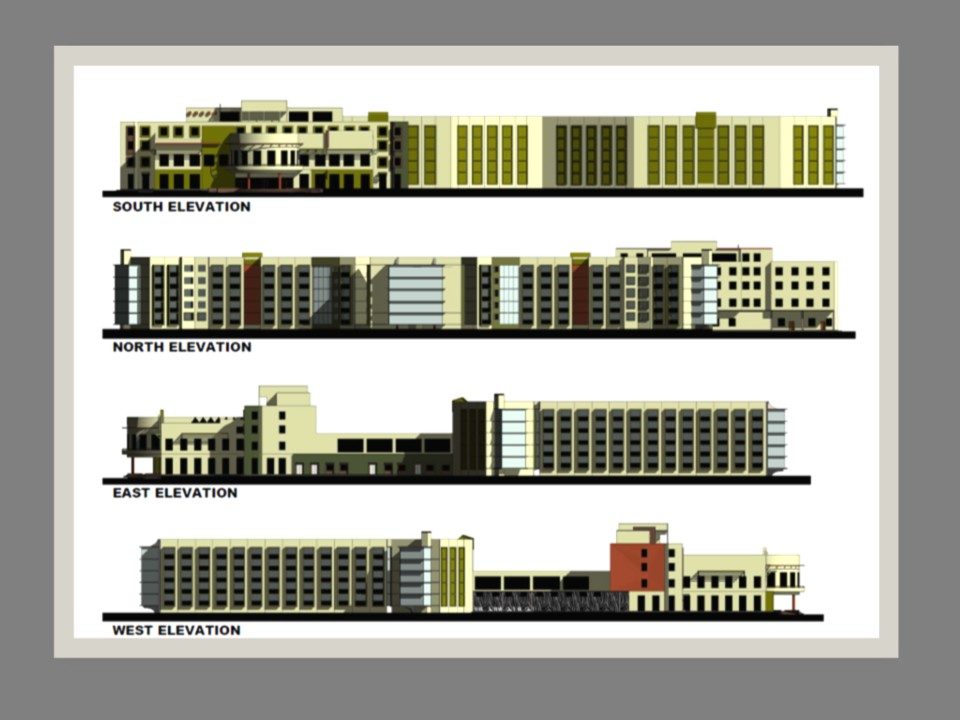
ZOO SAFARI PARK HOTEL
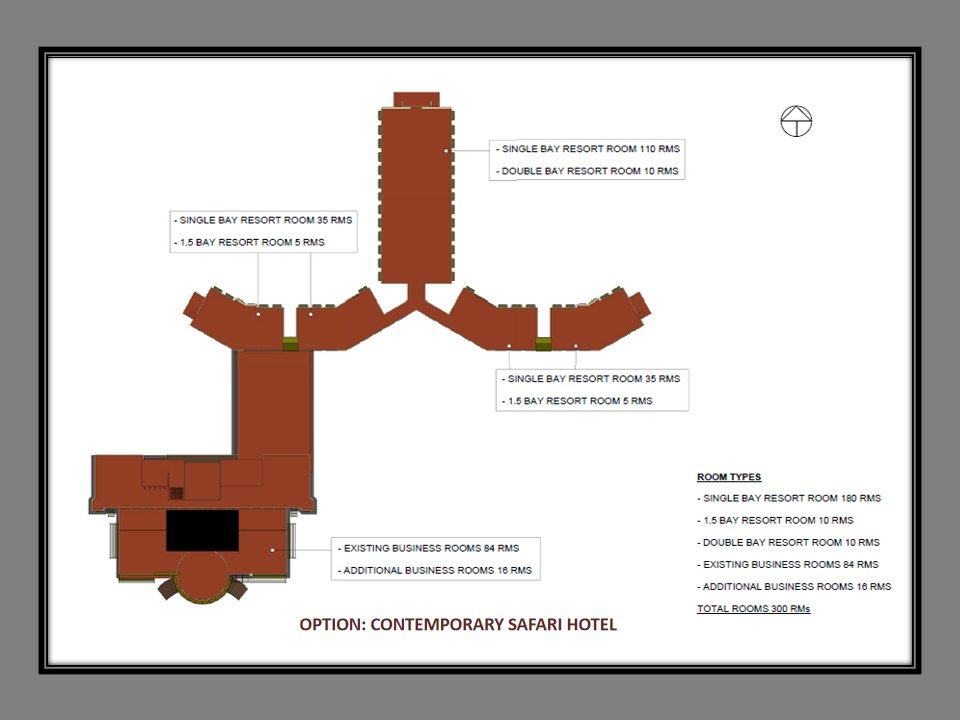
ZOO SAFARI PARK HOTEL
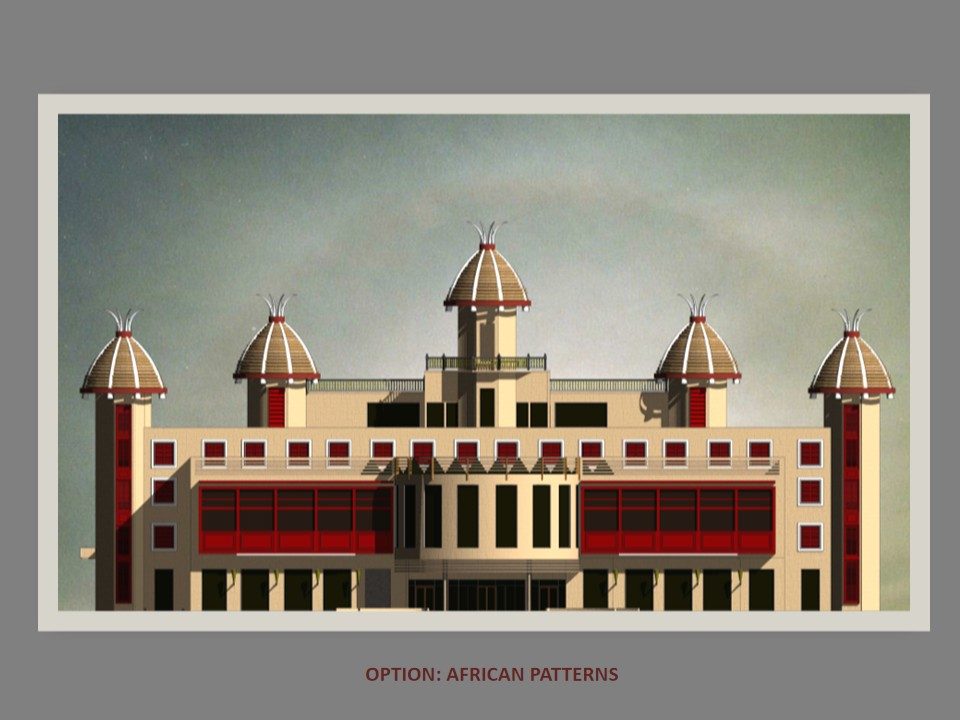
ZOO SAFARI PARK HOTEL
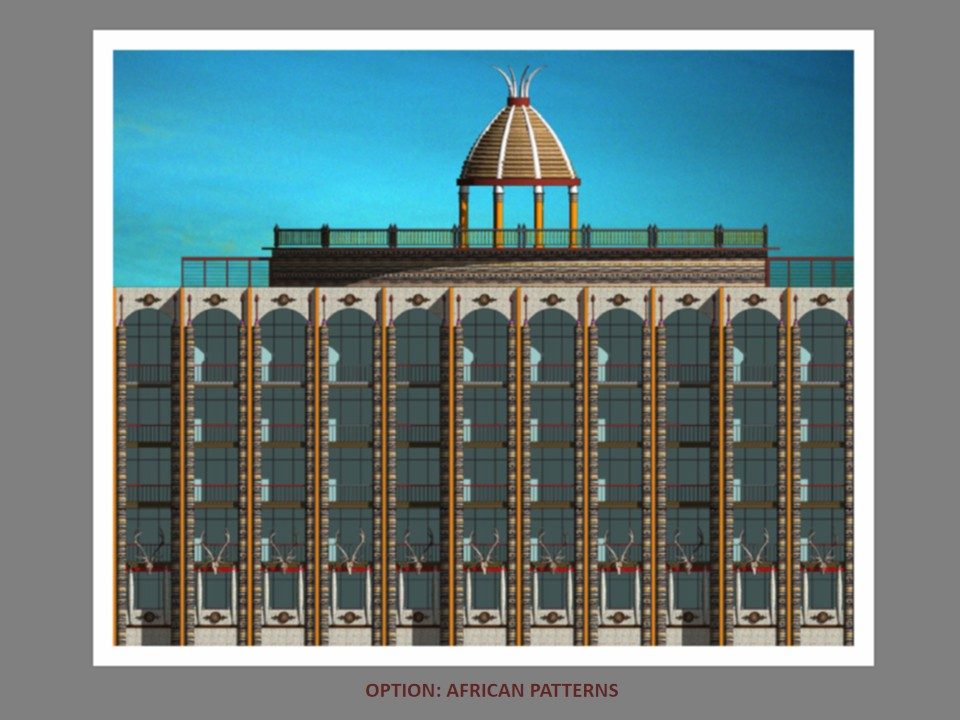
ZOO SAFARI PARK HOTEL
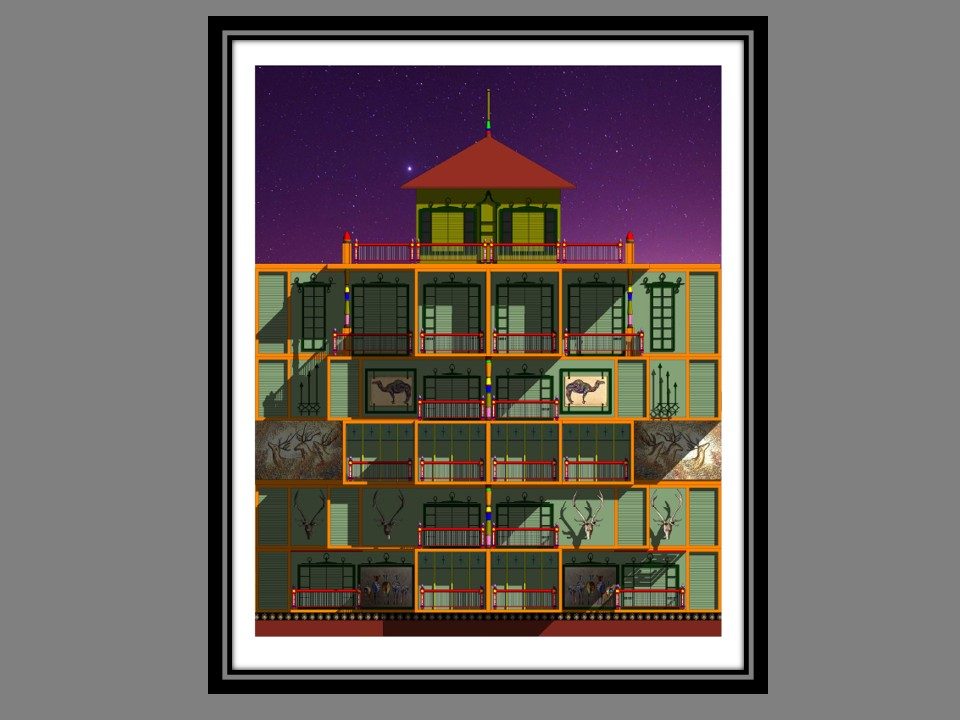
ZOO SAFARI PARK HOTEL
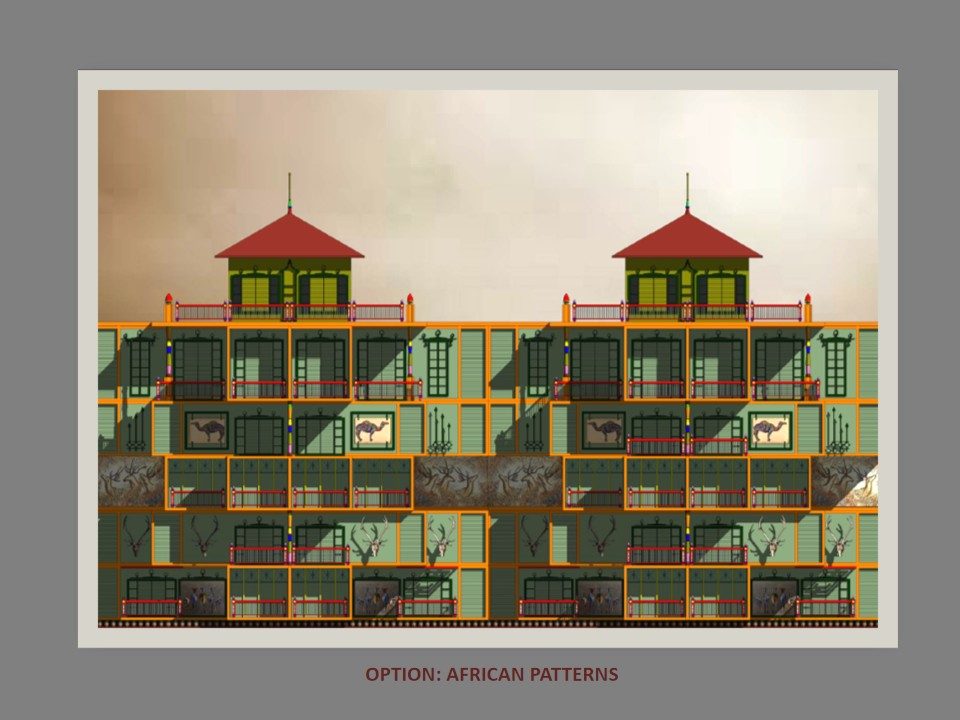
ZOO SAFARI PARK HOTEL
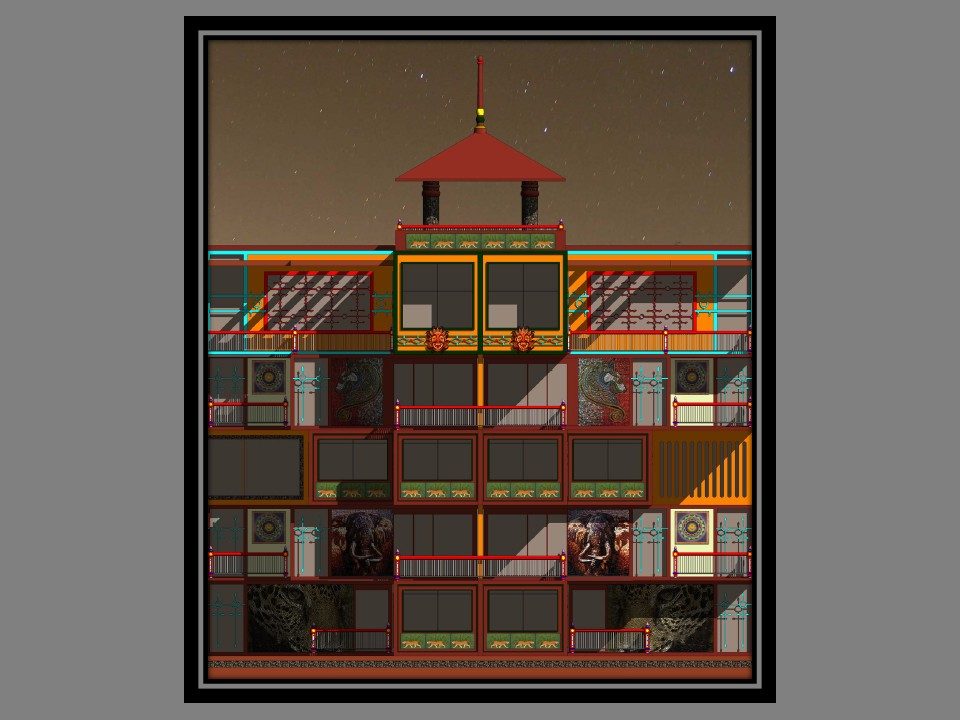
ZOO SAFARI PARK HOTEL
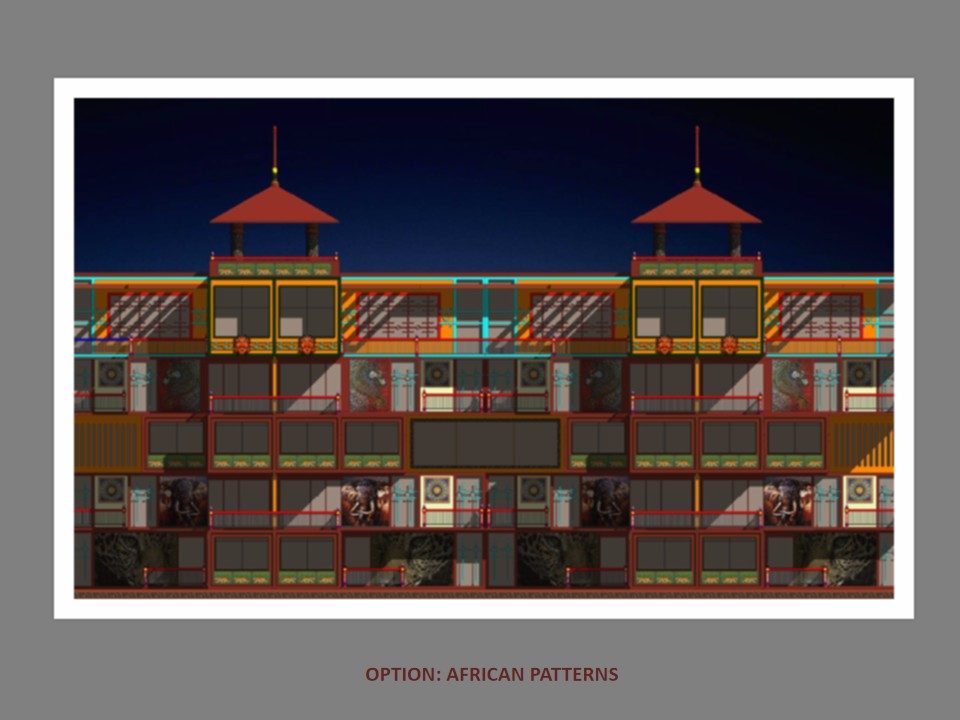
ZOO SAFARI PARK HOTEL
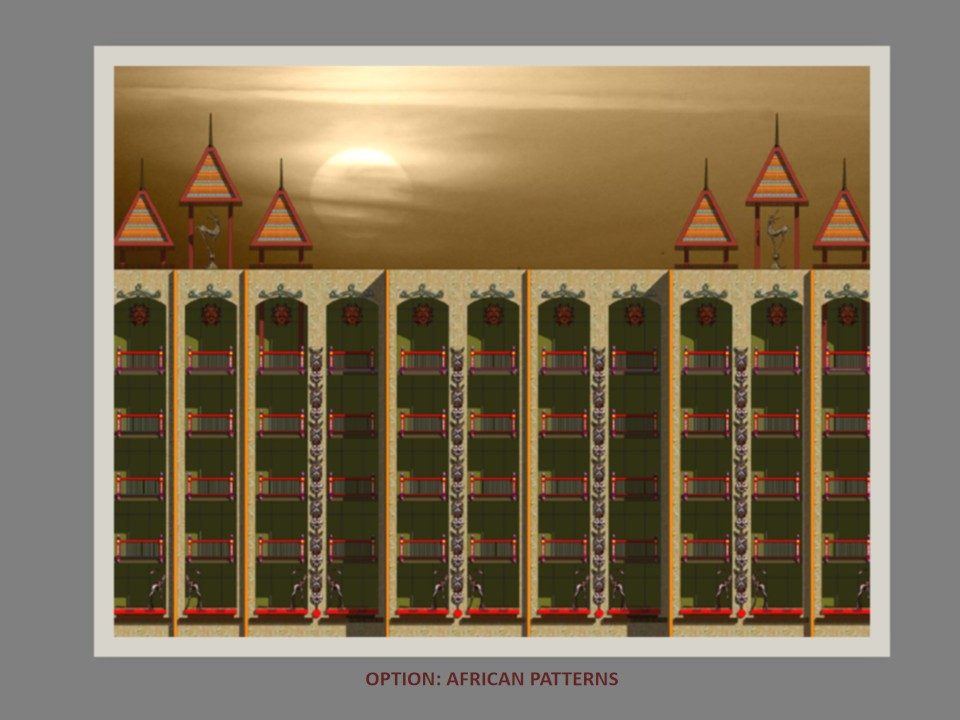
ZOO SAFARI PARK HOTEL
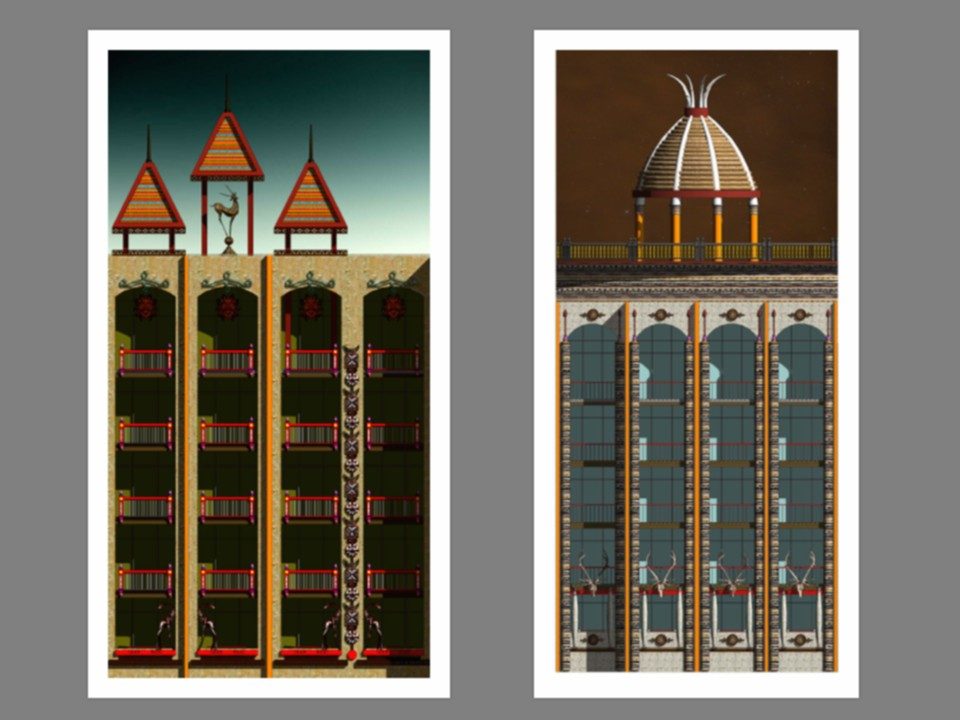
ZOO SAFARI PARK HOTEL